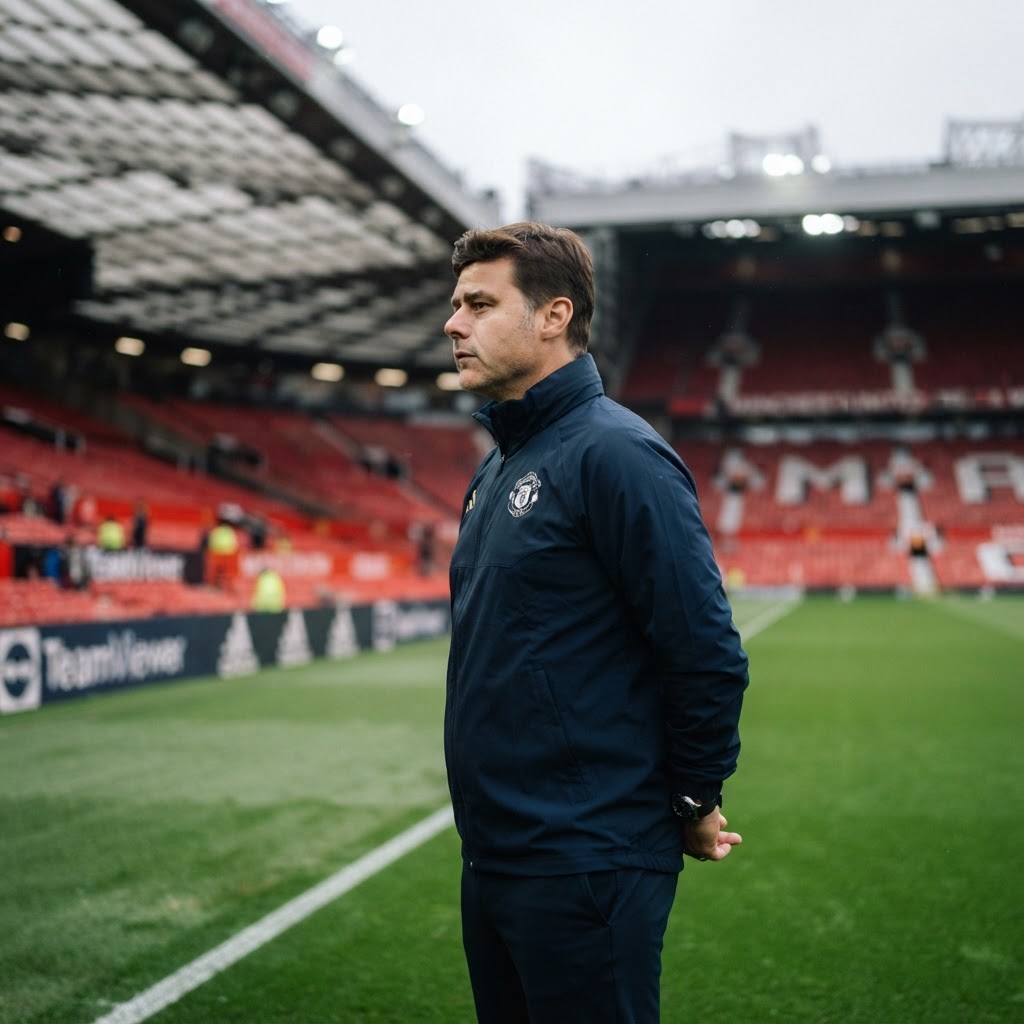
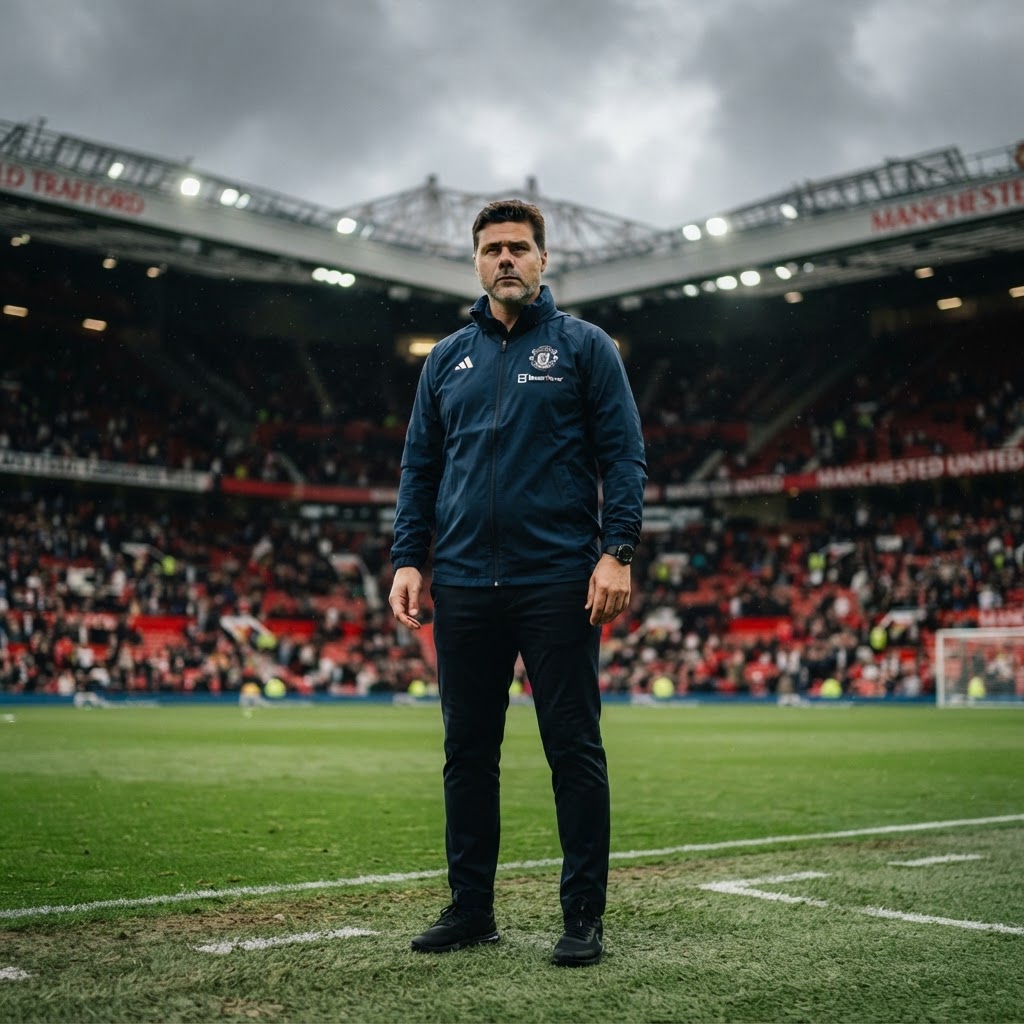
The Argentine tactician has officially arrived in Manchester following his departure from the USMNT. His appointment marks the start of a critical restructuring phase for the Premier League giants.
The Arrival at Carrington
The grey skies of Cheshire were perhaps the only familiar element for Mauricio Pochettino as he touched down on Wednesday morning, 18 November 2026. After a high-profile stint steering the United States Men’s National Team, the 54-year-old manager has completed the long-anticipated transition to the helm of Manchester United. His arrival marks a definitive turning point for a club that has spent the better part of a decade searching for a cohesive identity in the post-Ferguson era.
The Transition from Washington to Manchester
Pochettino’s exit from the international circuit was marked by a clinical victory, a final act of professionalism that saw him depart the USMNT on a winning note. It was a calculated finale, reflecting the meticulous nature that has defined his career from Espanyol to Tottenham Hotspur and Paris Saint-Germain. While his staff had already begun the process of acclimatisation at the Carrington training complex earlier this week, the manager himself spent the final hours in transit, ensuring a seamless handover before his first briefing with the senior squad.
Tactical Realignment
Observers of the Premier League will note that Manchester United remains a squad of significant individual talent but questionable collective rhythm. Pochettino’s reputation for high-pressing, fluid attacking football aligns with the historical expectations of the Stretford End, yet the pragmatic reality of the current table suggests that a more robust defensive structure must take priority. Expert analysts suggest that the Argentine’s ability to foster youth development will be his most critical asset, particularly as the club looks to blood the latest generation of academy prospects who are currently knocking on the door of the first team.
The Weight of Expectation
The shadow of Old Trafford is long and, at times, suffocating. Pochettino inherits a dressing room that has frequently been described as fragmented. His primary challenge will not be technical, but psychological. He must reconcile the disparate egos within the squad while convincing a frustrated fanbase that this is not merely another cycle of short-term fixes. The board has afforded him the time that was arguably denied to his predecessors, signalling an appetite for a long-term project rooted in the coach's idiosyncratic style of management.
Looking Ahead
With his first training session scheduled for Thursday, the clock is already ticking toward a busy winter fixture list. Pochettino is known to favour a lean, committed core of players, and whispers from within the club suggest that January may see a trimming of the squad to better fit his preferred tactical framework. For the fans, there is a cautious optimism. After the turbulence of recent years, the arrival of a manager with proven Premier League experience and a clear tactical manifesto offers the faint, yet distinct, promise of stability. Whether he can translate that promise into silverware remains the quintessential question of this new United era.