
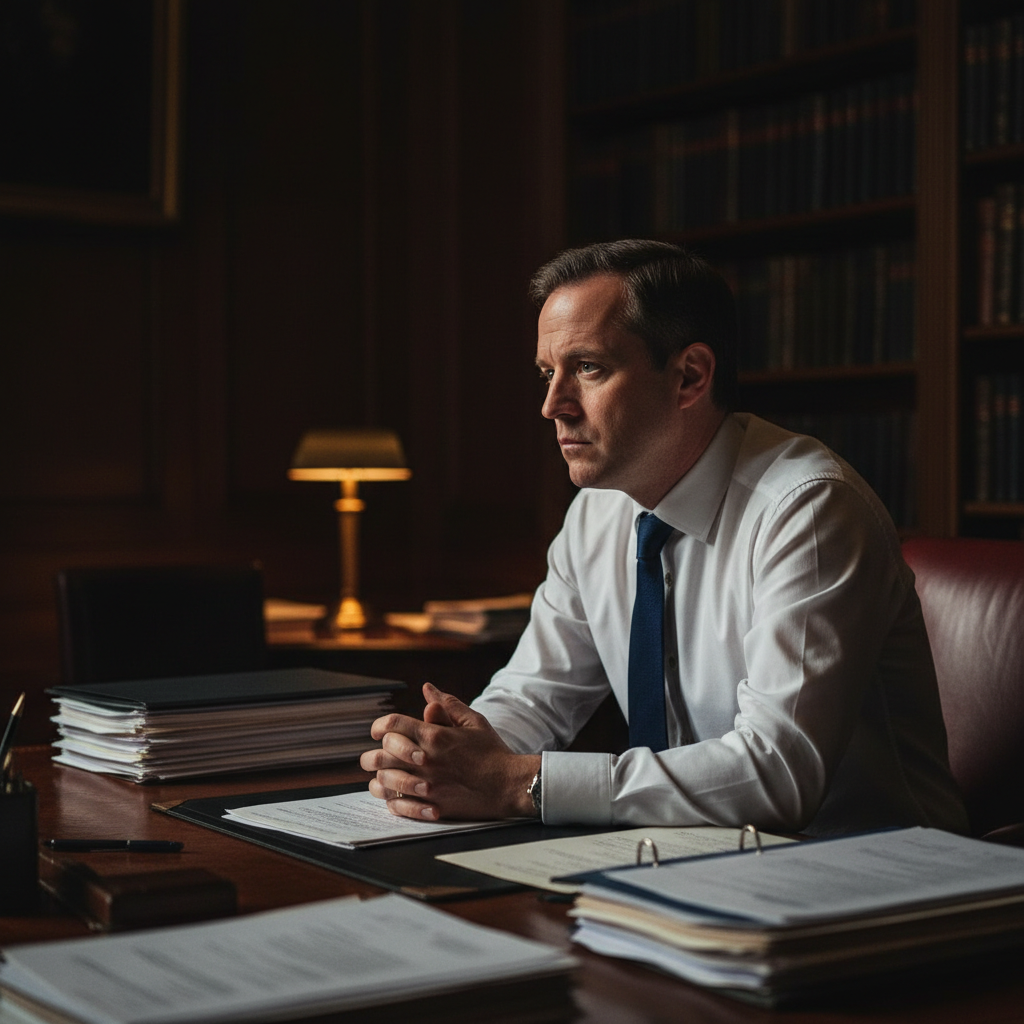
On the brink of a significant political showdown, Labour leader Keir Starmer has issued a stark ultimatum to his ministers: remain loyal or resign. This dramatic step comes as Greater Manchester Mayor Andy Burnham is poised to return to Parliament through the Makerfield by-election, buoyed by what some insiders claim are the necessary 81 nominations to trigger a leadership contest.
Starmer convened his ministerial team late last week, making it clear that he intends to fight vigorously to retain his position, amid swirling speculation about the viability of his leadership. His directive was unequivocal: any minister who chooses to support Burnham's leadership bid should consider their position in government untenable.
Growing Support for Burnham
Burnham, who has enjoyed significant popularity within the party and among voters, has been steadily consolidating support ahead of a potentially pivotal moment for Labour. His resurgence is not merely electoral. Burnham's allies are now publicly claiming that he has already received over the required number of nominations from fellow MPs, a claim that has sent shockwaves through Starmer's cabinet.
“Labour’s future hinges on its ability to unify; discontent within the ranks could prove fatal.”
This grassroots momentum has invigorated Burnham's supporters, who argue that he represents a fresh direction for Labour—a necessary antidote to the party’s current direction, which many perceive as out of touch with its base. If confirmed, the nominations would pave the way for an unconventional leadership race that could redefine Labour’s path towards the next general election.
Impact of the 'Mandelson Files'
The political climate has been further complicated by the recent unearthing of 1,500 pages of documents known as the 'Mandelson files.' These files detail numerous security failures during Peter Mandelson’s brief tenure as US ambassador. The revelations have provided further fodder for Starmer's critics and potentially invigorated sentiment against his leadership.
Experts suggest that the timing of these documents’ release could be consequential for Starmer, amplifying calls for accountability within his administration just as Burnham's prospects gain traction. “These issues are more than historical footnotes; they highlight systemic problems that need addressing if Labour is to regain the trust of the electorate,” argues Dr. Lucy Thorne, a political analyst.
The Tension Within the Party
Starmer's approach to managing the crisis reflects a broader struggle within the party. The Labour leader's insistence on loyalty echoes the tense environment created by years of factional disputes and leadership infighting. Many party members are weary of internal conflicts, preferring a united front as they prepare for the next election cycle.
Yet, with Burnham’s rising star, the prospect of divided loyalties raises significant concerns. “The challenge for Starmer is to hold his ground while not alienating potential allies,” says political commentator Jamie Bracken. “If Burnham does secure the nominations, it could lead to a fractious and damaging leadership contest.”
What Lies Ahead?
If reports of Burnham’s nominations are confirmed, Labour will face a critical juncture. The next few weeks could determine not only the leadership of the party but also its ability to reclaim relevance in the minds of voters who have grown disillusioned with its direction. The uncertainty reverberates beyond Westminster; it impacts local councils and key constituencies that Labour has traditionally relied upon.
In recent years, Burnham has positioned himself as a champion of progressive causes. His advocacy for the Northern Powerhouse health strategy and his vocal criticism of the government’s handling of the pandemic have earned him a loyal following, particularly among younger voters. This demographic could play a crucial role in an upcoming leadership election, should it materialise.
The Stakes for Starmer
For Starmer, the stakes are undeniably high. His leadership has been characterised by ambitious reforms, yet many within the party question whether his pragmatic approach resonates strongly enough with the progressive base. There is a palpable sense that another leadership challenge could leave the party further fractured at a time when unity is desperately needed.
Ultimately, whether Starmer can navigate this tumultuous period will depend on his ability to rally support within his party while addressing the growing concerns of its members. He must be careful not to appear overly authoritarian in his insistence on loyalty, as many in the grassroots movement reject paternalism in favour of a more democratic approach.
As the political landscape continues to shift, all eyes will be on both Starmer’s handling of the emerging crisis and Burnham’s potential challenge. These next few weeks promise to be transformative for the Labour Party, setting the stage for either a renewed sense of purpose or further fragmentation. One thing is certain: with the stakes as high as they are, every move will be scrutinised and every decision will carry weight.
“Labour’s future hinges on its ability to unify; discontent within the ranks could prove fatal,” cautions political strategist Paul Greene. As the Labour leadership crisis unfolds, the party’s direction remains uncertain, with loyalty and ambition at the forefront of the conversation.