
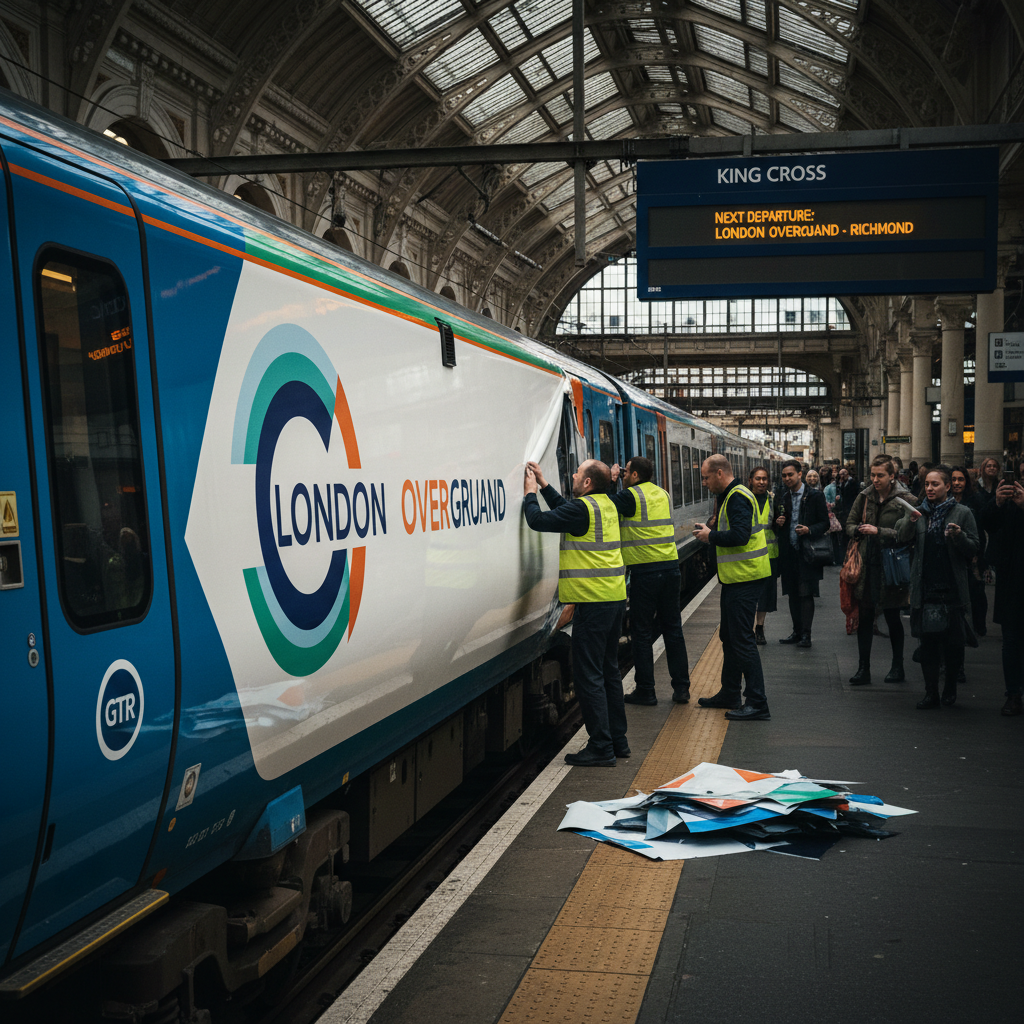
As of today, May 31, 2026, the UK transport landscape has undergone a seismic shift with the renationalisation of Govia Thameslink Railway (GTR). Now managed by the Department for Transport Operator Limited (DFTO), GTR was previously operated as a private franchise, responsible for a substantial portion of the nation's rail traffic, accounting for approximately one in six passenger journeys across the UK. This significant change is a cornerstone of the current Labour government's commitment to establishing a more accountable and responsive railway system.
Transport Secretary Heidi Alexander heralded the transition as a move that prioritises the needs of passengers, declaring it essential in delivering "more accountable and reliable journeys". This renationalisation not only marks the restoration of one of the largest rail networks to public management but also signals a broader trend across the rail industry, with publicly owned operators now facilitating 80% of all passenger journeys in the UK.
Public Ownership and Its Implications
The GTR franchise, encompassing services such as Southern, Thameslink, Great Northern, and Gatwick Express, has historically faced criticism over performance issues, punctuality, and customer service. This public ownership model aims to address these long-standing concerns by stripping away profit-driven motives and aligning services more closely with public needs. The government's initiative is expected to include plans that will enhance service provision, including commitments to double the number of trains running between Gatwick Airport and London Victoria, alongside the recruitment of 110 new Travel Safe Officers to ensure passenger safety.
“"Our railways are the arteries of our economy and our communities, and they should reflect the values of the society they serve."”
"Our railways are the arteries of our economy and our communities, and they should reflect the values of the society they serve," Alexander stated during her announcements today. She added, "This approach towards public operation will not only ensure accountability but also improve the quality of service that the public rightly expects."
Political Context and Criticism
The renationalisation of GTR fits squarely within the flagship transport policy of the Starmer administration, which has pledged to overhaul the rail industry as part of its manifesto commitments. By promoting public ownership, the government aims to challenge decades of privatisation, which many critics argue has prioritised profits over service quality. The Labour party's commitment to Great British Railways (GBR) encompasses a vision of greater integration and efficiency within the rail system.
However, the transition to public management has not been met with universal approval. Opposition critics, including figures from the Conservative Party, have voiced stark warnings that the move could exacerbate the financial burden on taxpayers without guaranteed improvements in infrastructure or industrial relations. These critiques underscore concerns over operational efficiency and the long-term viability of the public funding model in rail transportation.
"Putting GTR into public hands may sound appealing, but the real question remains whether this will result in more accountable operations or simply passing the bill to the taxpayer," cautioned Laura Kuenssberg, a political analyst and independent commentator. "Infrastructure improvements require consistent and careful investment, not just ideological shifts."
The Future of Rail in the UK
As the largest rail franchise under public ownership, GTR's fate may set a crucial precedent for the future of the UK rail system. Perspectives vary widely on the potential outcomes. Supporters of public ownership argue that the motivations of private interests have too often neglected the diverse needs of millions of daily commuters, particularly in metropolitan areas where services have been slow to adapt.
In contrast, sceptics point to the lack of immediate guarantees that the quality and reliability of services will improve post-renationalisation. The rail sector remains under continuous scrutiny, as factors such as staffing, operational efficiency, and financial sustainability loom large. Recent history has shown the complexities of managing a public railway system, especially in the context of evolving passenger demands and growing environmental concerns.
The renationalisation of GTR may pave the way for future frameworks within the broader context of Great British Railways. As analysts keep a close watch on operational developments in the coming years, success or failure in this initiative could profoundly influence public transport policy and the economic landscape in the UK.
Many commuters are hopeful, and with scepticism lingering in equal measure, it remains to be seen if this pivotal move truly leads to improvements for everyday passengers. As Alexander concluded in her statement, the public now expects accountable and high-quality services, and in the coming months, all eyes will be on whether the promises made today will be realised.