
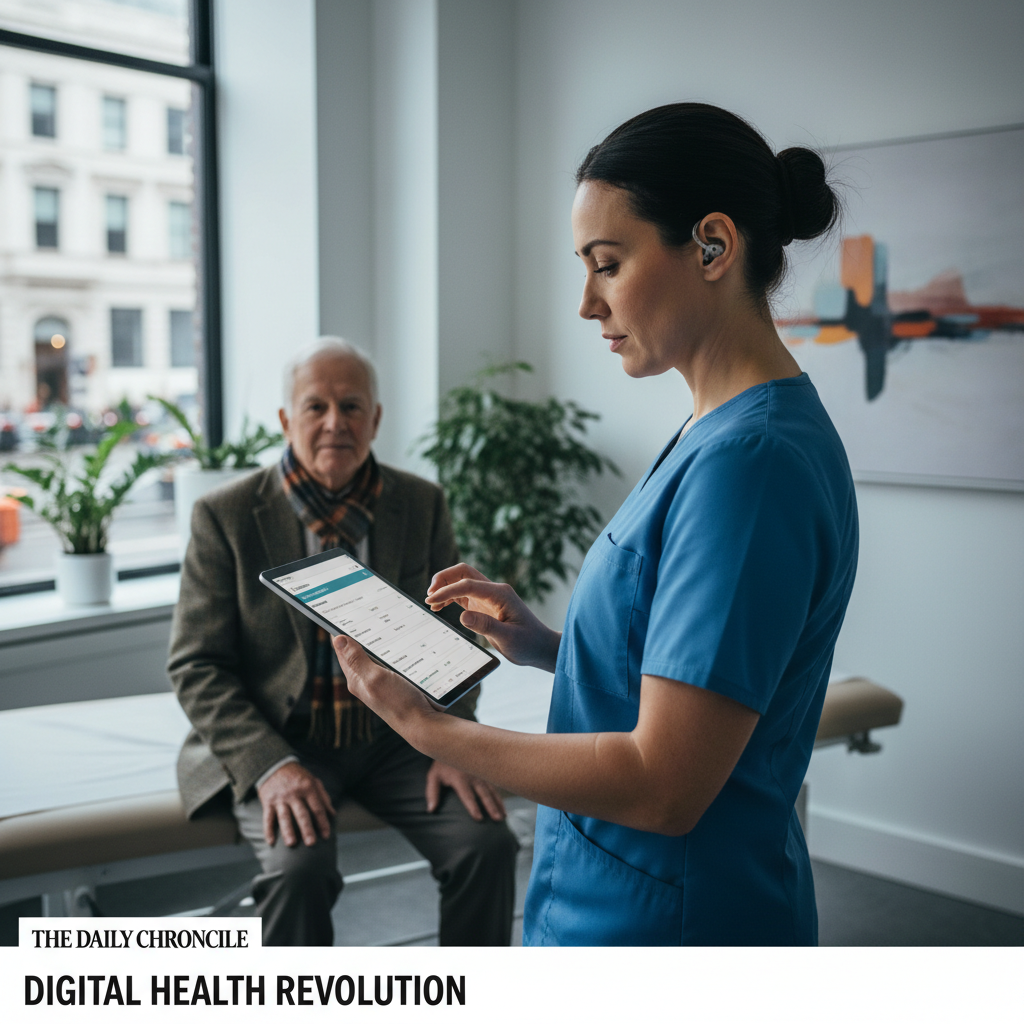
Northern Ireland has taken a monumental step towards modernising its public healthcare system following the announcement that the final allocation of £102.6 million from the £235 million transformation fund has been unlocked. This significant investment, confirmed by Secretary of State Hilary Benn, marks a crucial shift from interim solutions to sustainable long-term improvements in public service delivery.
The £102.6 million allocation serves as the concluding piece in a broader strategy established under the 2024 Executive restoration agreement, which aimed to resolve the political stalemate in Northern Ireland. At the heart of this funding is a dedicated £42 million investment to develop and implement the ePharmacy Primary Care Digital Reform Programme, designed to eliminate the reliance on paper-based prescriptions. This ambition reflects a growing trend to integrate technology into public services, aligning Northern Ireland with global best practices in healthcare.
The ePharmacy Revolution
The ePharmacy system is poised to transform the way prescriptions are handled within the healthcare system. Once fully operational, it is expected to facilitate more than 45 million digital transfers annually, significantly enhancing the efficiency and safety of prescription management. Currently, healthcare practitioners manually process a vast number of paper prescriptions, a system prone to errors and inefficiencies that can jeopardise patient safety.
“This investment not only represents a commitment to improving our healthcare services but also demonstrates a recognition of the need for long-lasting solutions that adapt to the evolving demands of our community.”
As Secretary Benn stated, "This investment not only represents a commitment to improving our healthcare services but also demonstrates a recognition of the need for long-lasting solutions that adapt to the evolving demands of our community." The introduction of the ePharmacy system is seen as a potential game changer for healthcare providers, allowing them to focus more on patient care rather than administrative tasks.
A Comprehensive Strategy for Public Services
Beyond healthcare, this funding will support six major Executive-led projects encompassing agriculture, digital services, and community finance. This more comprehensive approach aims to address systemic issues across various sectors, promoting an integrated public service that can effectively respond to the needs of the population.
Experts have lauded the government’s decision to move away from short-term fixes and embrace a strategy that incorporates long-term sustainability in public service delivery. Dr Sarah Connolly, a healthcare policy analyst, emphasised the importance of this funding: "Investing in digital healthcare systems not only alleviates pressures on NHS resources but also improves overall patient outcomes by ensuring that healthcare providers have access to the most accurate and timely information."
UK Context and the Future of Healthcare
The transformation initiative comes amidst wider changes within the UK's health system, which has been under intense scrutiny following the pandemic. The drive towards digital solutions has gained momentum as healthcare providers seek to diminish the administrative burdens that have historically plagued public health services. Initiatives like the ePharmacy programme reflect an acknowledgment that modernising healthcare infrastructure is paramount to responding to systemic inefficiencies and enhancing patient care.
The Northern Ireland Executive has faced several challenges in restoring its devolved government, and the successful allocation of these funds is a crucial milestone in demonstrating effective governance. This funding package is not only a testament to the government’s commitment to digital reforms but also highlights the collaborative efforts underpinning the restoration of the Assembly following years of political uncertainty.
The Road Ahead
Looking forward, Northern Ireland's healthcare system will require rigorous monitoring and evaluation to ensure that the ePharmacy system meets its ambitious targets. Stakeholders within the healthcare sector will need to work closely with technology partners to ensure that the transition is seamless and that all practitioners are adequately trained to utilise the new system.
As the region embarks on this new chapter, there remains cautious optimism among healthcare professionals and policymakers alike. The transition from paper to digital is expected to not only improve operational efficiency but also enhance patient safety and satisfaction in the long run. As Dr Connolly aptly summarised, "The future of healthcare in Northern Ireland lies in embracing technology and ensuring that every patient receives the best possible care through innovative solutions."
Ultimately, the successful implementation of the digital healthcare reforms in Northern Ireland could serve as a model for other regions in the UK and beyond, paving the way for a more interconnected and efficient public service framework that benefits all citizens.