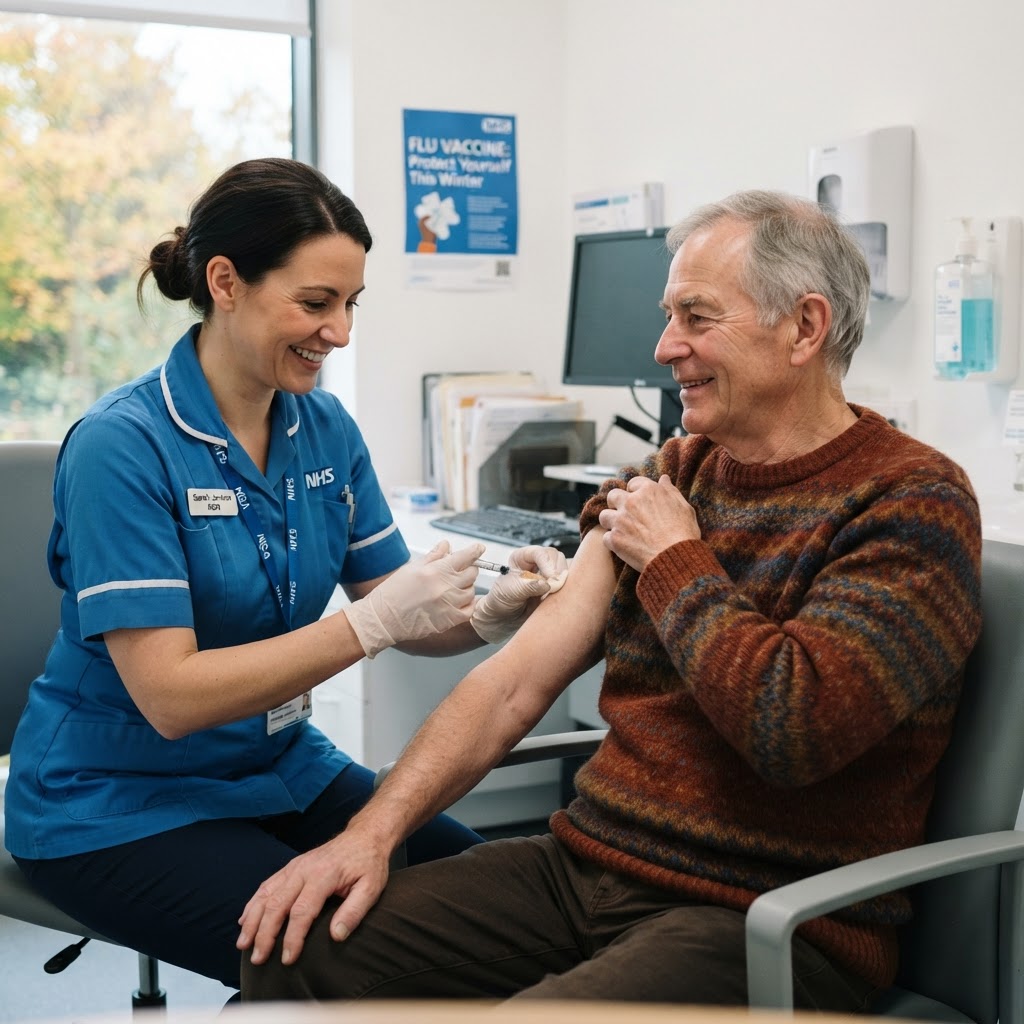
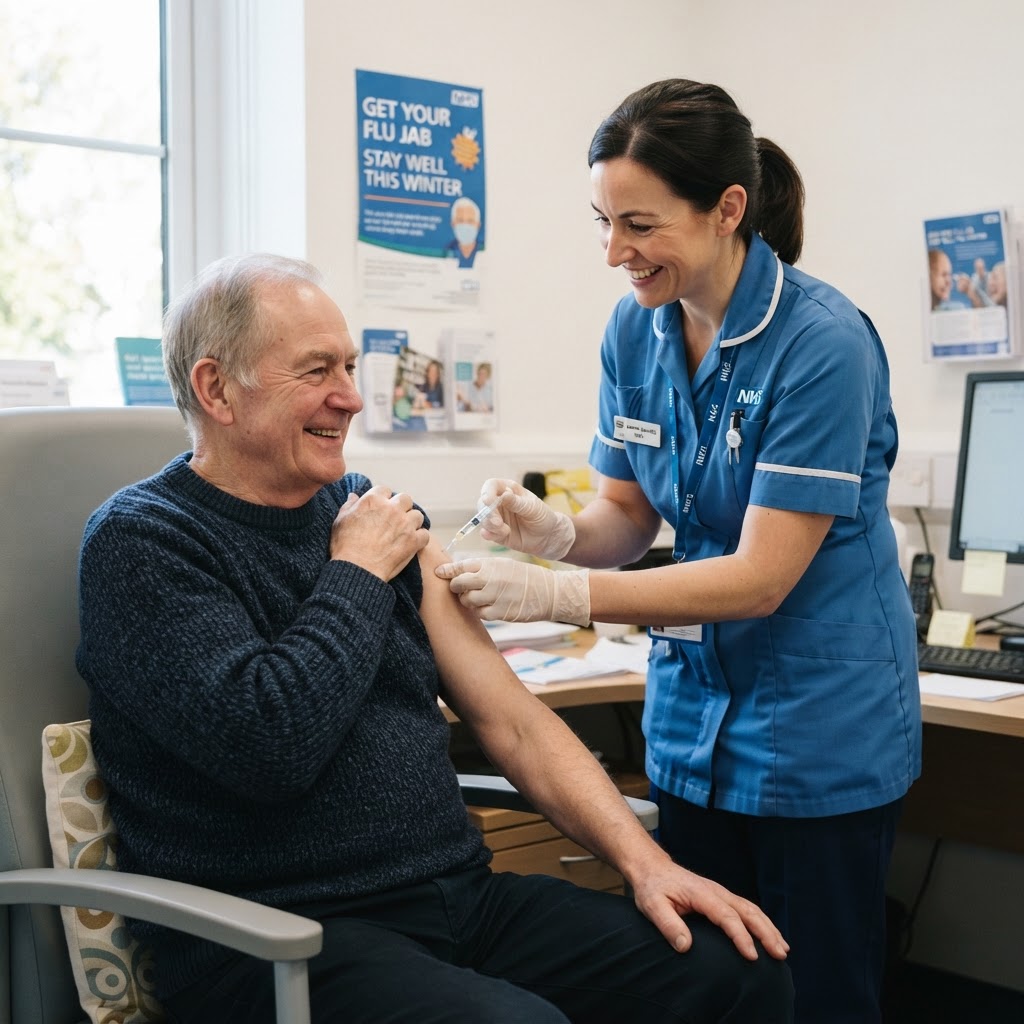
Public health officials have administered over 246,000 doses of the MenB vaccine in a targeted summer campaign. As freshers prepare to arrive on campus, experts warn that completing the two-dose schedule is essential to preventing potential outbreaks.
A race against the academic calendar
With the commencement of the autumn term only days away, the National Health Service has intensified its efforts to ensure that thousands of incoming university students are protected against the devastating consequences of meningococcal B disease. Since the launch of the latest vaccination drive on 20 July 2026, healthcare workers across the United Kingdom have administered 246,089 doses, a figure that underscores both the scale of the logistical operation and the persistent nature of the threat. The programme is a cornerstone of the health service’s preventative strategy, specifically designed to mitigate the risks associated with the high-density living environments that define the student experience.
The threat of meningococcal disease
Meningococcal disease, which includes both meningitis and septicaemia, remains one of the most feared diagnoses for young adults. The bacteria can proliferate rapidly in the close-quarters environment of student halls and shared houses, where the transition to university life often involves significant social mixing among individuals from diverse geographical backgrounds. While the NHS has made commendable progress in shielding this cohort, the clinical consensus remains clear: a single dose provides only partial protection. Public health experts are now issuing urgent directives for students to prioritise their second dose before the lecture theatres and common rooms fill with new arrivals.
Clinical urgency and public health logistics
Dr Aris Thorne, a consultant in communicable disease control, noted that the summer window represents a critical period for immunisation. The nature of the MenB vaccine requires a specific interval between doses to ensure the immune system develops a robust, long-term response. According to health officials, the current uptake figures are promising, yet the gap between the first and second doses must be closed to ensure the protection is comprehensive. The NHS has streamlined the booking process, allowing students to access clinics near their home addresses or their upcoming university residences to ensure no disruption to their academic start.
Addressing the challenge of student health
The health risks associated with the transition to university are not limited to meningitis; however, the severity of meningococcal infection makes it a primary focus for the UK Health Security Agency. The initiative serves as a reminder that the university experience, while academically and socially enriching, requires proactive management of individual health. Universities across the country are working in tandem with local GP practices to disseminate information, urging students not to be complacent. For many, this will be their first experience of navigating the NHS as independent adults, a process that health officials suggest should begin with ensuring their vaccination records are up to date.
Looking ahead to the winter term
As the countdown to the new term continues, the emphasis is firmly placed on completion. An individual who has received only one dose is significantly more vulnerable than one who has adhered to the full clinical schedule. While the initial surge in vaccinations has been heartening, the NHS maintains that the mission is not complete until every eligible student has received the full course. The coming weeks will be a testing period for the programme as students relocate across the country, necessitating seamless communication between health authorities to ensure that follow-up doses are not missed amidst the frenzy of freshers' week. The commitment of nearly a quarter of a million young people to their own health, and to the health of their peers, represents a significant success for public health communication, but the final hurdle remains the most important: ensuring that protection is not left half-finished.