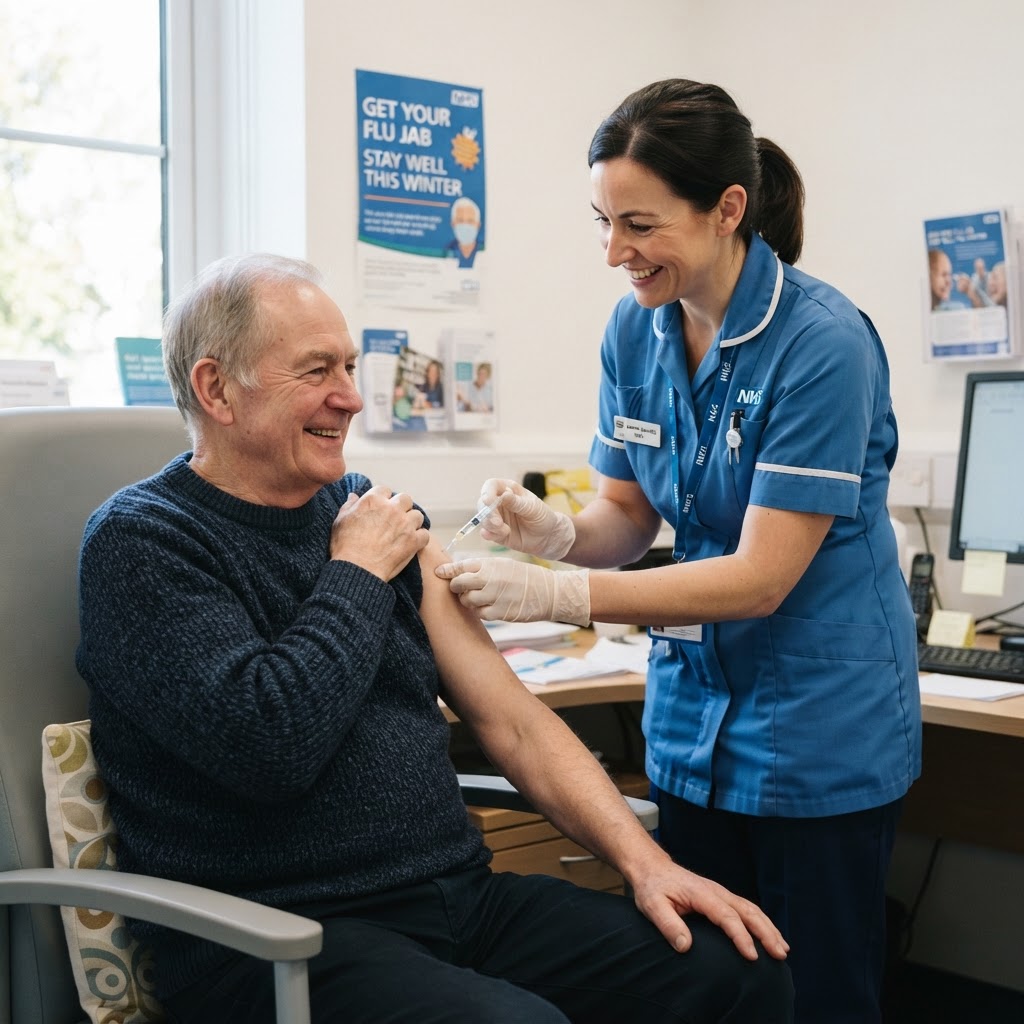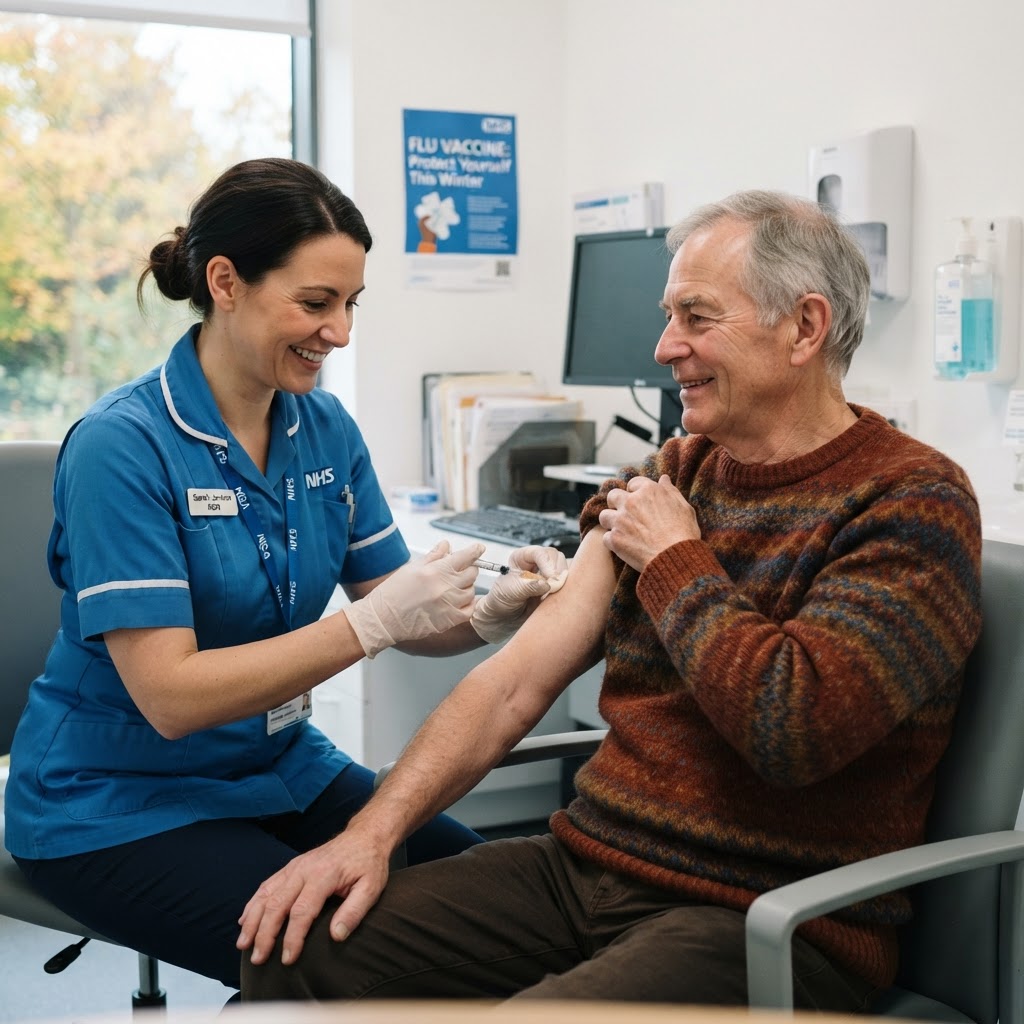
A strategic response to seasonal pressures The National Health Service, in conjunction with the UK Health Security Agency (UKHSA), officially initiated the next phase of its ambitious vaccination campaign on 1 September 2026. This expansion of the Respiratory Syncytial Virus (RSV) programme marks a significant evolution in the country's approach to winter health resilience, specifically targeting the demographic aged between 65 and 74. By broadening eligibility criteria, the government hopes to reduce the prevalence of severe respiratory complications that typically lead to substantial hospital admissions as temperatures drop.
Respiratory Syncytial Virus, a common cause of respiratory tract infections, often presents as a mild, cold-like illness in healthy adults. However, for older individuals, the virus can trigger serious conditions including pneumonia and exacerbated chronic obstructive pulmonary disease. The decision to lower the age threshold for the vaccine follows rigorous analysis and formal recommendations from the Joint Committee on Vaccination and Immunisation (JCVI). Their advice underscores the necessity of proactive measures to sustain the operational integrity of the NHS during what is expected to be another challenging winter period.
The burden of seasonal illness For years, the winter months have placed an unprecedented strain on the emergency departments of the UK. By integrating this targeted vaccine rollout into the existing seasonal immunisation framework, health planners intend to decouple the association between the virus and acute care crisis. Public health experts maintain that while the virus is a persistent challenge, the implementation of a national vaccination strategy for older adults provides a formidable line of defence that was previously unavailable.
Dr Eleanor Vance, a senior epidemiologist at the UKHSA, notes that the impact of RSV on the elderly population is frequently underestimated. "What many perceive as a nuisance virus often results in hospitalisation for the over-65s, creating significant pressure on our wards," she stated. "By securing immunity in this cohort before the peak of the transmission season, we are not just saving individual lives, but preserving the capacity of our hospitals to treat other urgent conditions."
Public health and the road ahead The operational success of this initiative relies heavily on the public's participation. GP practices across the nation have been coordinating logistics to ensure the distribution of the vaccine is as efficient as possible. The NHS has emphasised that the vaccine for RSV acts as a critical complement to the existing influenza and COVID-19 programmes, forming a 'trio' of protection for the most vulnerable. While no vaccine can offer absolute immunity, the clinical data suggests a high efficacy rate in reducing the severity of disease among those who have been vaccinated.
The logistical undertaking is considerable, yet the government remains confident that the infrastructure established during the pandemic years will facilitate a smooth rollout. As of mid-October, uptake rates have shown early promise, though regional disparities remain a point of interest for health planners. The initiative is not merely a clinical decision; it is an economic one, aimed at preventing the systemic 'bottleneck' that often occurs when respiratory viruses converge in late December and early January. For the tens of thousands of citizens in the newly eligible age bracket, this rollout represents an essential opportunity to mitigate the risks associated with the coming winter months.
“By securing immunity in this cohort before the peak of the transmission season, we are not just saving individual lives, but preserving the capacity of our hospitals to treat other urgent conditions.”