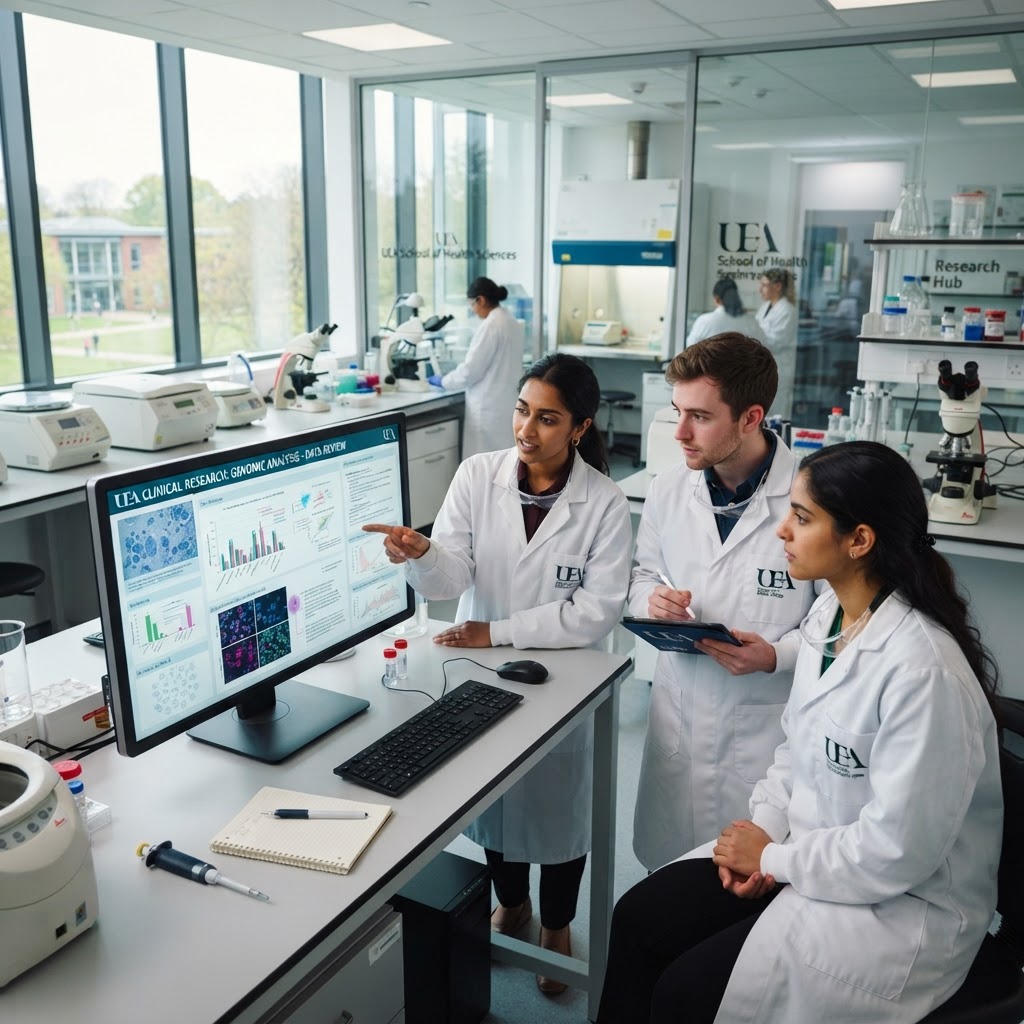
A New Era for Clinical Inquiry In a move described by Whitehall officials as a vital investment in national health security, the University of East Anglia (UEA) has been confirmed as a recipient of a share of a £90 million nationwide funding package. Announced on 24 September 2026, the grant is designed to fundamentally shift how the United Kingdom approaches the training of its future medical research workforce. The Norwich Medical School, which has long held an esteemed reputation for its integration of primary care and innovative clinical practice, will now serve as a primary hub for this transformative pedagogical programme.
Addressing the Skills Gap For several years, leaders in the UK life sciences sector have voiced concerns regarding the attrition of academic clinicians—practitioners who divide their time between patient care and scientific enquiry. The funding, distributed via a competitive national selection process, seeks to mitigate these pressures. By providing structured pathways for early-career researchers, the initiative ensures that the bridge between laboratory discovery and patient-side application remains robust.
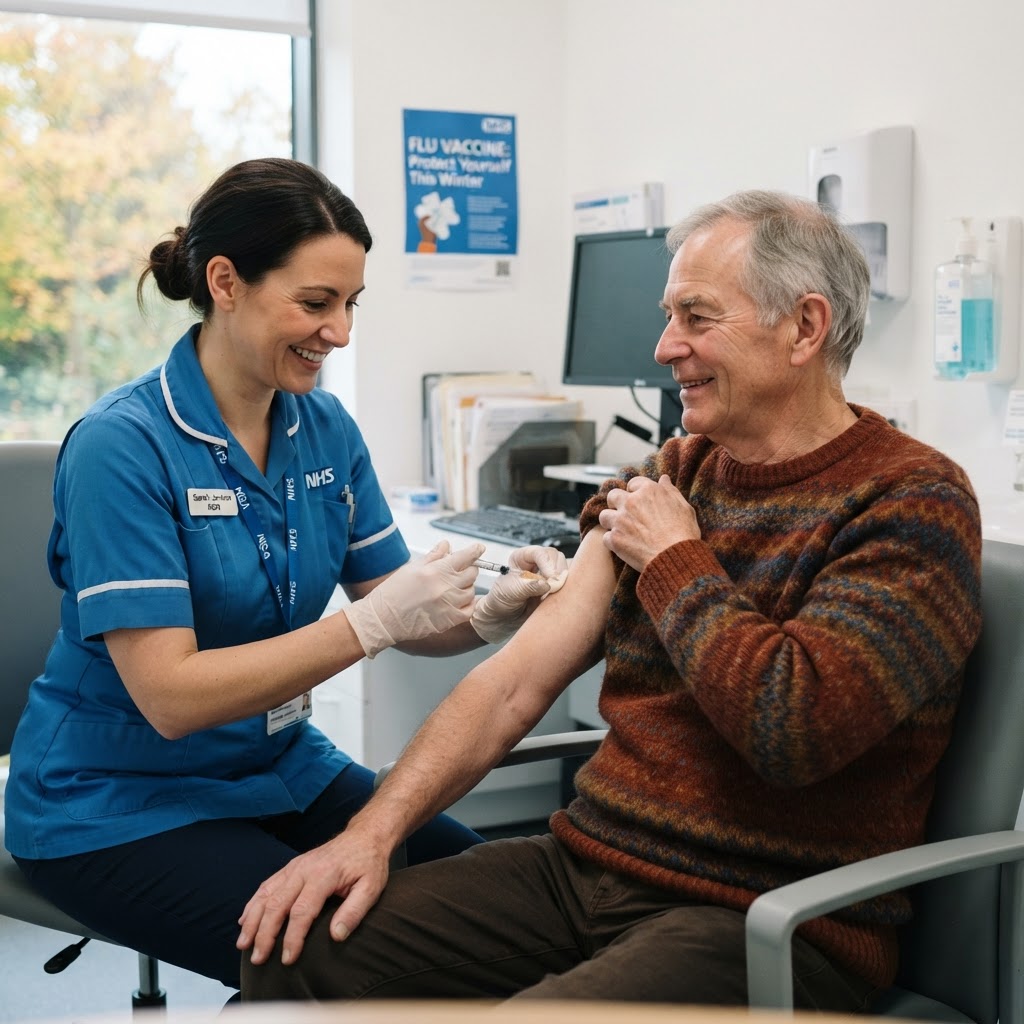
Dr Eleanor Sterling, a senior analyst in medical education, noted that the timing is critical. As the NHS faces mounting pressures from an ageing population and the rise of chronic, multi-morbidity conditions, the reliance on data-driven medicine has never been greater. The investment at UEA is expected to focus on data literacy, precision medicine, and the ethical implementation of artificial intelligence within clinical diagnostic frameworks.
The Strategic Importance of Norwich The selection of the Norwich Medical School is a testament to the university’s growing influence within the Norwich Research Park, one of the largest concentrations of life science researchers in Europe. This ecosystem offers a unique collaborative environment, linking academia with the Norfolk and Norwich University Hospital. Such synergy is essential for translating high-level theory into tangible improvements for patient outcomes. The investment will likely result in the creation of several high-calibre doctoral fellowships and specialised postdoctoral positions, attracting international talent to the region.
Ensuring Long-term Sustainability While the £90 million headline figure represents a substantial fiscal commitment from the government, experts are already debating the efficacy of the programme’s long-term sustainability. Critics point out that training the next generation of researchers is only half the battle; the subsequent challenge lies in ensuring that these individuals have access to the infrastructure, equipment, and permanent roles required to keep them in the public sector. The UEA administration has pledged that this funding will facilitate the creation of a stable, long-term talent pipeline that feeds directly into the national health apparatus.
As the UK continues to position itself as a global leader in health innovation post-transition, the success of programmes like this remains paramount. For the team at UEA, the work begins immediately, with a rigorous programme of recruitment and curriculum design set to unfold over the coming academic year. The hope, according to a university spokesperson, is that these new researchers will provide the evidence-based solutions required to navigate the health challenges of the 2030s and beyond.