National Post UK
Government to Prohibit Sale of High-Caffeine Energy Drinks to Minors

In a decisive shift toward preventative healthcare, retail sales of potent energy drinks will be restricted for under-16

The National Post

HomeHealth & Wellbeing
Health & Wellbeing

Government to Prohibit Sale of High-Caffeine Energy Drinks to Minors

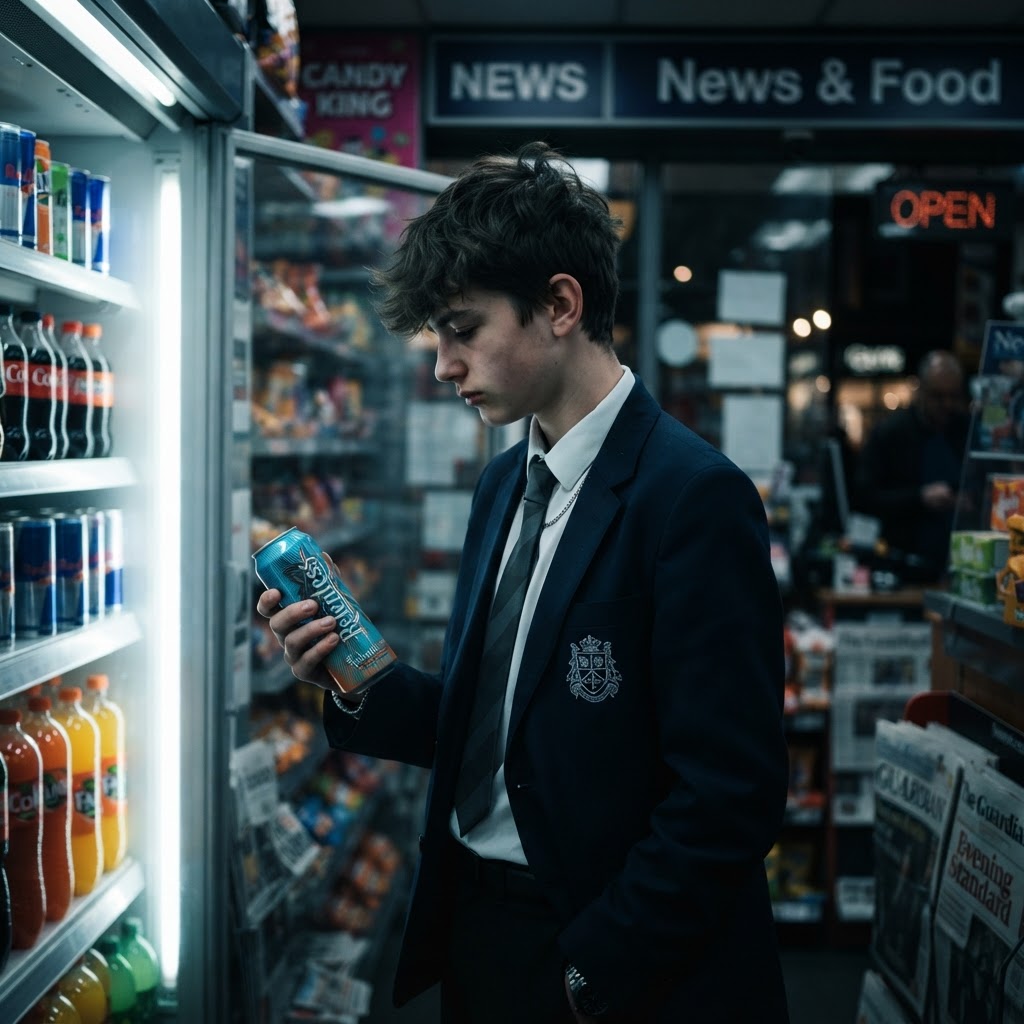
In a decisive shift toward preventative healthcare, retail sales of potent energy drinks will be restricted for under-16s by April 2027. The policy aims to address growing concerns regarding childhood anxiety and long-term cardiovascular health.

AF

Andrew Fletcher

Health Correspondent

Published 17 July 2026·3 months ago 3 min read
Text
Share

A New Mandate for Public Health The UK government has formally confirmed its intention to implement a mandatory ban on the sale of high-caffeine energy drinks to children under the age of 16 in England. This legislative intervention, which is slated to take full effect in April 2027, marks a significant departure from previous voluntary retail guidelines and underscores a strategic pivot in the nation's public health doctrine. The ban targets any beverage—excluding traditional tea and coffee—that contains more than 150mg of caffeine per litre, effectively removing the most potent stimulant-heavy products from the hands of the nation’s youth.

The Burden of Stimulant Consumption Health officials have long expressed alarm over the prevalence of energy drink consumption among adolescents. Recent data suggests that approximately 100,000 children in England consume these beverages on a daily basis. For many, the high concentrations of caffeine and refined sugar have become a normalised part of their morning routine or a tool to combat fatigue during school hours. However, medical evidence presented alongside the government’s announcement paints a more concerning picture. Frequent consumption has been robustly linked to a suite of health issues, including chronic sleep disruption, heightened anxiety, and more severe physical consequences such as elevated blood pressure and irreversible tooth decay.

Shifting the NHS Focus Public Health Minister Sharon Hodgson described the legislation as a cornerstone of the government’s ambitious 10-year health plan, which seeks to transition the NHS from its current model of reactive sickness management to a proactive focus on prevention. By curbing the accessibility of these products, the government hopes to alleviate the long-term strain on primary and secondary care services. The decision follows a rigorous consultation process that yielded over 1,100 responses from a diverse array of stakeholders, including paediatricians, concerned parents, and representatives from the beverage industry.

Industry and Academic Reception The announcement has sparked a nuanced debate. While health advocacy groups have widely welcomed the move as a long-overdue safeguard for juvenile development, some retail trade bodies have raised concerns regarding the practicalities of age verification systems. The government has confirmed that the restriction will apply universally to retail stores, vending machines, and online sales, ensuring that there are no loopholes in the supply chain. Academics specialising in paediatric nutrition argue that the legislation is a vital step in addressing the broader epidemic of childhood obesity and mental health struggles. By standardising the availability of these products, the state is effectively setting a new boundary for child welfare, mirroring existing restrictions on tobacco and alcohol sales.

Looking Toward 2027 As the April 2027 deadline approaches, retailers will be tasked with updating their point-of-sale systems and staff training protocols. The implementation period is intended to allow the industry sufficient time to adapt while ensuring that public awareness campaigns are sufficiently robust. For many families, the ban serves as a state-endorsed confirmation of what many medical professionals have advised for years: that the stimulant loads found in modern energy drinks are fundamentally incompatible with the nutritional requirements of a developing adolescent. As the government continues to refine its 10-year strategy, this ban will likely be viewed as a litmus test for future preventative measures aimed at improving the health outcomes of the next generation.

TopicsHealthPublic PolicyNHSChildhood WellbeingRetailRegulation
Share

About the Author

AF

Andrew Fletcher

Health Correspondent

Andrew Fletcher reports for National Post UK with a focus on rigorous analysis and authoritative journalism — a trusted voice across British public life.

Reader Discussion · 10

Subscribers can join the conversation.

SUBSCRIBE TO COMMENT →
J
James Bedford17 Jul

I suppose it is a step in the right direction for public health, but I expect we will see a lot of workarounds. Kids will likely find ways to get older friends to buy it for them, just like they do with tobacco.

F
Fiona Clarke17 Jul

The ingredients in some of these drinks are shocking even for adults, let alone children. I hope this measure also includes tighter regulations on the advertising aimed at younger demographics.

D
David O'Sullivan17 Jul

Is this really the government's place to decide what a 15-year-old consumes? Surely parents should be taking responsibility for their own children rather than relying on legislation for everything.

E
Eleanor Rigby17 Jul

As a parent, I support this move wholeheartedly. My son became completely addicted to them and the mood swings were quite distressing for our whole family.

M
Mark Thompson17 Jul

While I agree that these drinks are unhealthy, I worry about how shops are expected to police this effectively. It will just put more pressure on retail staff who are already dealing with enough abuse.

S
Sarah Jenkins17 Jul

It is about time. I see teenagers walking into school every morning clutching massive cans of these drinks and it is clearly impacting their behaviour in the classroom.

F
Fiona Clarke17 Jul

Having worked in secondary education for years, I have seen the literal jitters and subsequent crashes these drinks cause. This is a sensible public health measure that is long overdue.

D
David Miller17 Jul

This feels like another case of the government overstepping into our personal choices. Parents should be the ones deciding what their children consume, not the state.

M
Mark Thompson17 Jul

While I understand the health concerns, I wonder how this will be enforced in practice. Busy shop assistants are already under pressure without having to police the age of every single person buying a soft drink.

S
Sarah Jenkins17 Jul

It is about time. I see teenagers walking into school every morning clutching these cans, and the impact on their concentration and behaviour is blindingly obvious.

More from Health & Wellbeing

Most Read in Health & Wellbeing

Morning Briefing

The day's top stories, before 7am

Join 40,000 readers who start their morning with National Post UK.