National Post UK
A System at the Limit: NHS Records Unprecedented Summer Surge as Heatwaves Fuel Emergency Demand

Emergency departments have endured their most demanding summer on record, with over 7.2 million attendances recorded dur

The National Post

HomeHealth & Wellbeing
Health & Wellbeing

A System at the Limit: NHS Records Unprecedented Summer Surge as Heatwaves Fuel Emergency Demand

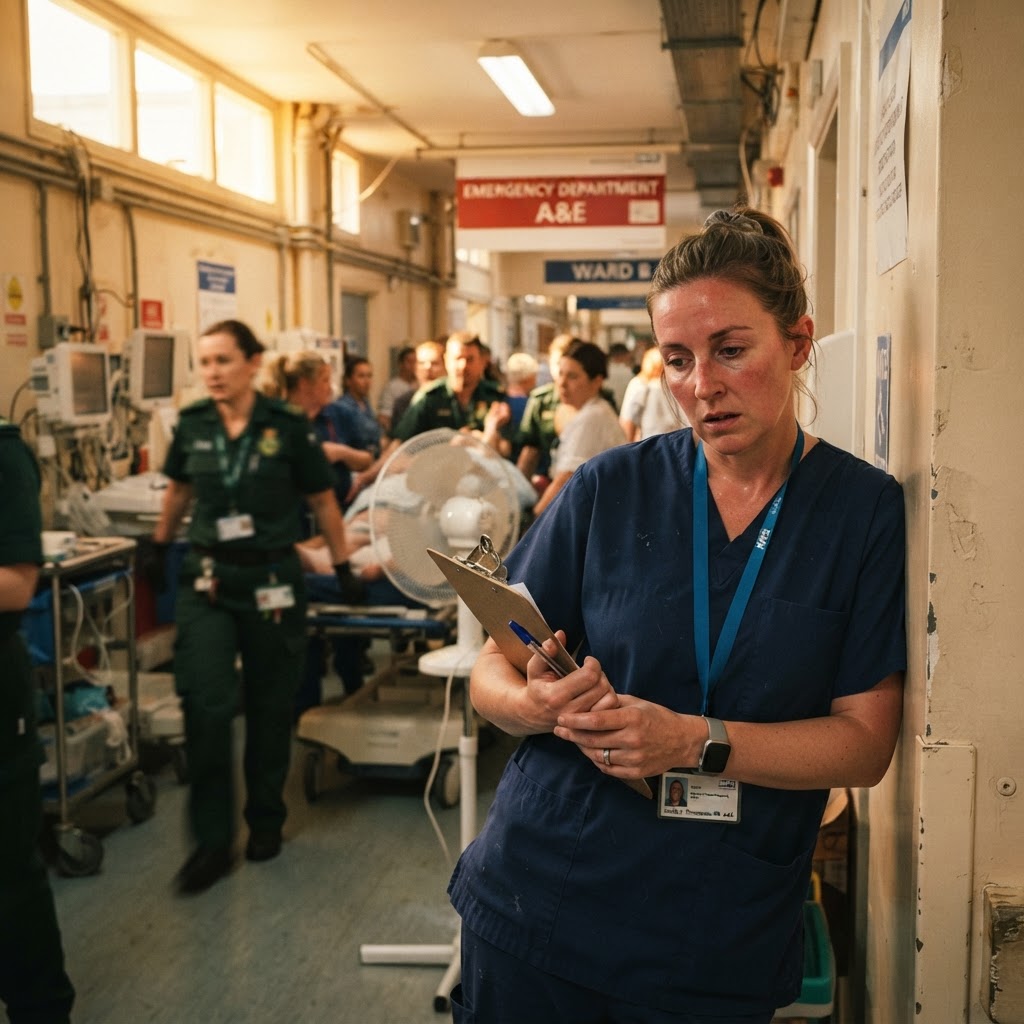
Emergency departments have endured their most demanding summer on record, with over 7.2 million attendances recorded during the warmest months of the year. While staff processed a record volume of patients, the mounting elective care backlog presents a persistent challenge to clinical capacity.

DH

Dr. Helen Moore

Health Correspondent

Published 13 September 2026·about 1 month ago 3 min read
Text
Share

The Heatwave Effect NHS England has confirmed that the period between June and August 2026 was the busiest summer in the history of the health service. The data, published this week, paints a picture of a system operating under chronic pressure, as emergency departments grappled with 7,268,445 attendances—a figure that comfortably eclipses the previous summer record by a margin of 240,000. This surge in activity is not merely an anomaly of volume but a reflection of the profound impact that shifting climate patterns are having on national infrastructure. Meteorological reports confirm that the UK endured five distinct heatwaves between May and August, placing immediate, concentrated strain on urgent care services that were already operating at near-maximum capacity.

Performance Against the Clock Despite the immense volume, clinical staff have demonstrated remarkable output. The service successfully treated, discharged, or admitted 5,462,182 patients within the four-hour standard. This performance metric represents a historic high for the volume of care delivered within the target timeframe. However, health policy analysts suggest that these figures mask the underlying fragility of the urgent care pathway. When patient volume exceeds the physical limitations of hospital estates, the resulting 'bottleneck' in corridors and handover bays continues to pose significant risks to patient safety and staff wellbeing. The record-breaking throughput is a testament to the resilience of frontline workers, yet questions remain regarding the long-term sustainability of such an intense pace of work.

The Shadow of the Elective Backlog While the focus of the summer data rests on A&E performance, the wider elective care crisis continues to deepen. The waiting list for non-urgent procedures climbed to 7.3 million in July, reaching its highest level since October of last year. This ongoing accumulation of patients waiting for surgeries—ranging from hip replacements to cardiac interventions—suggests that the resources diverted to manage emergency demand are inevitably pulled from the elective recovery programme. Hospital trusts are currently performing a difficult balancing act, attempting to process an unrelenting influx of acute cases while simultaneously trying to chip away at a list that seems increasingly intractable.

The Long View The convergence of extreme weather events and an ageing population with complex, multi-morbid conditions has shifted the traditional seasonal demands of the NHS. Historically, the service prepared for 'winter crises' that arrived with the onset of influenza and respiratory infections. The data from 2026 indicates that the calendar of risk has expanded. We are now entering an era where the summer months are no longer a period of comparative respite, but a season of critical clinical alert. For policymakers, the challenge is twofold: they must address the immediate necessity of boosting staff retention and bed capacity, while also modernising the estate to cope with a climate that is becoming more erratic and more demanding on human health.

TopicsNHSHealthUK NewsPublic SectorEmergency CareElective Waiting Lists
Share

About the Author

DH

Dr. Helen Moore

Health Correspondent

Dr. Helen Moore reports for National Post UK with a focus on rigorous analysis and authoritative journalism — a trusted voice across British public life.

Reader Discussion · 4

Subscribers can join the conversation.

SUBSCRIBE TO COMMENT →
G
Geoffrey Miller13 Sept

While I appreciate the pressure they are under, I do wonder how much of this surge is due to people misusing emergency services for minor ailments. We need better public education on when to actually use A&E.

S
Sarah Jenkins13 Sept

I am not surprised by these figures at all. My elderly father waited for hours in an ambulance outside the hospital during the July heatwave, and the paramedics were just as exhausted as the hospital staff.

D
David Thorne13 Sept

It seems like every year the NHS is at its limit. Perhaps it is time we had an honest national conversation about whether the current funding model is sustainable for a changing climate and an ageing population.

M
Margaret Higgins13 Sept

I spent six hours in A&E last week and the staff were absolutely incredible despite clearly being run off their feet. We really need to stop blaming the clinicians and start looking at how the social care system is failing to discharge patients.
More from Health & Wellbeing

Most Read in Health & Wellbeing

Morning Briefing

The day's top stories, before 7am

Join 40,000 readers who start their morning with National Post UK.