Planning authorities have received formal proposals to modernise a crown jewel of the West Yorkshire arts scene. The multi-million-pound investment promises to redefine the regional landscape for theatre-goers and international performers.
A New Chapter for the Arts
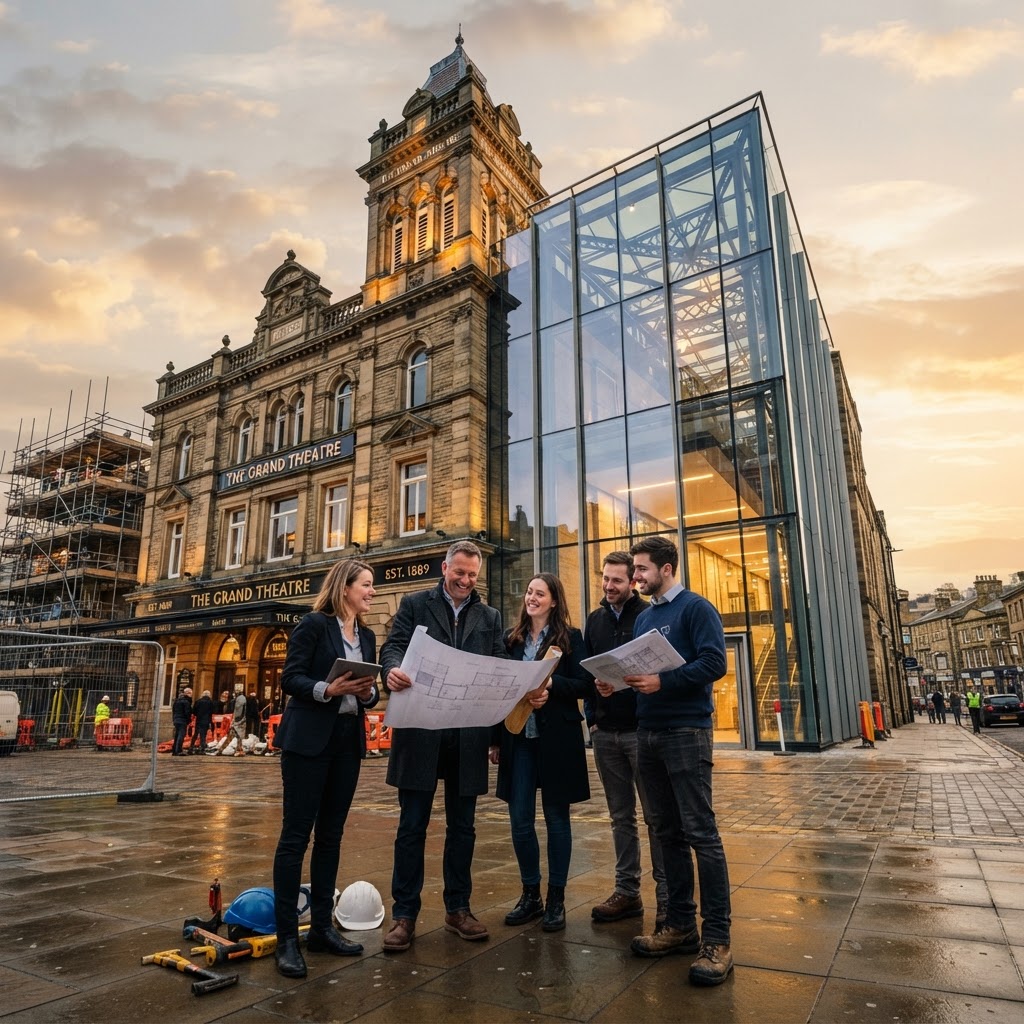
In a decisive move for the northern arts sector, official expansion plans for one of West Yorkshire’s most storied theatres were lodged with the local planning authority yesterday, 29 October 2026. This submission marks the culmination of months of behind-the-scenes negotiations and feasibility studies, signalling a profound commitment to the region’s cultural regeneration. The proposed development, which aims to reconcile historic architecture with twenty-first-century theatrical demands, is widely regarded as a watershed moment for the county's creative economy.
The Weight of Heritage
The theatre, which has anchored the local high street for over a century, has long served as a beacon for touring West End productions and local experimental companies alike. However, in recent years, the limitations of its Victorian footprint have become increasingly apparent. The planned extension seeks to address these constraints by expanding the stagehouse to accommodate complex set designs that were previously impossible to mount in the space, alongside the creation of a new, state-of-the-art auditorium annexe. By integrating modern rehearsal rooms and improved accessibility features, the project team hopes to ensure that the venue remains fit for purpose for another hundred years.
Economic Impact and Civic Pride
Economic analysts suggest that the theatre’s modernisation will have a ripple effect on the surrounding town centre. Cultural infrastructure is increasingly viewed as a vital driver of footfall, with the hospitality and retail sectors often benefiting from the theatre’s increased capacity. By upgrading the lobby and creating a public-facing atrium, the architects envision the theatre evolving into a seven-day-a-week social hub rather than merely a venue for evening performances. This aligns with a broader national strategy to decentralise the arts and reduce the historic over-reliance on London-centric production models.
Expert Perspectives
Dr. Alistair Finch, a leading historian of regional theatres, described the plans as a necessary evolution. He noted that while preservationists will scrutinise the external modifications, the internal advancements are overdue. The proposal involves sensitive restorations of the original Edwardian plasterwork while simultaneously retrofitting energy-efficient climate control systems. Such a balance between preservation and pragmatism is essential if regional venues are to remain competitive in a landscape where audiences have come to expect high-spec comfort. There is, however, an acknowledgement that planning consent will not be granted without rigorous debate. Environmental impact assessments and traffic management plans are already being scrutinised to ensure the scale of the expansion does not overwhelm the existing urban fabric.
Looking Ahead
As the planning department begins its statutory consultation period, the local community remains cautiously optimistic. Funding remains the final piece of this complex puzzle, with the trust managing the theatre looking to a combination of Arts Council grants and private philanthropic investment. The success of this project would send a powerful signal to the rest of the country: that West Yorkshire is not merely a custodian of its theatrical heritage, but an active, ambitious participant in the future of British performance.