The broadcaster has confirmed that its long-running automotive entertainment series will resume production after an indefinite hiatus. The decision follows a challenging period of re-evaluation prompted by the serious accident involving presenter Andrew Flintoff.
A Change of Gear for the BBC
After nearly four years of uncertainty and speculation regarding the future of the BBC's most successful international export, the corporation has confirmed that Top Gear is set to return to the schedule. The programme, which had been effectively mothballed following the harrowing accident involving co-presenter Andrew 'Freddie' Flintoff in late 2022, has long occupied a unique space in the British cultural consciousness. The decision to bring the show back represents a calculated risk for the broadcaster, which must now navigate the delicate balance between satisfying its global fan base and addressing the heightened safety standards demanded in the post-Flintoff era.
The Road to Dunsfold
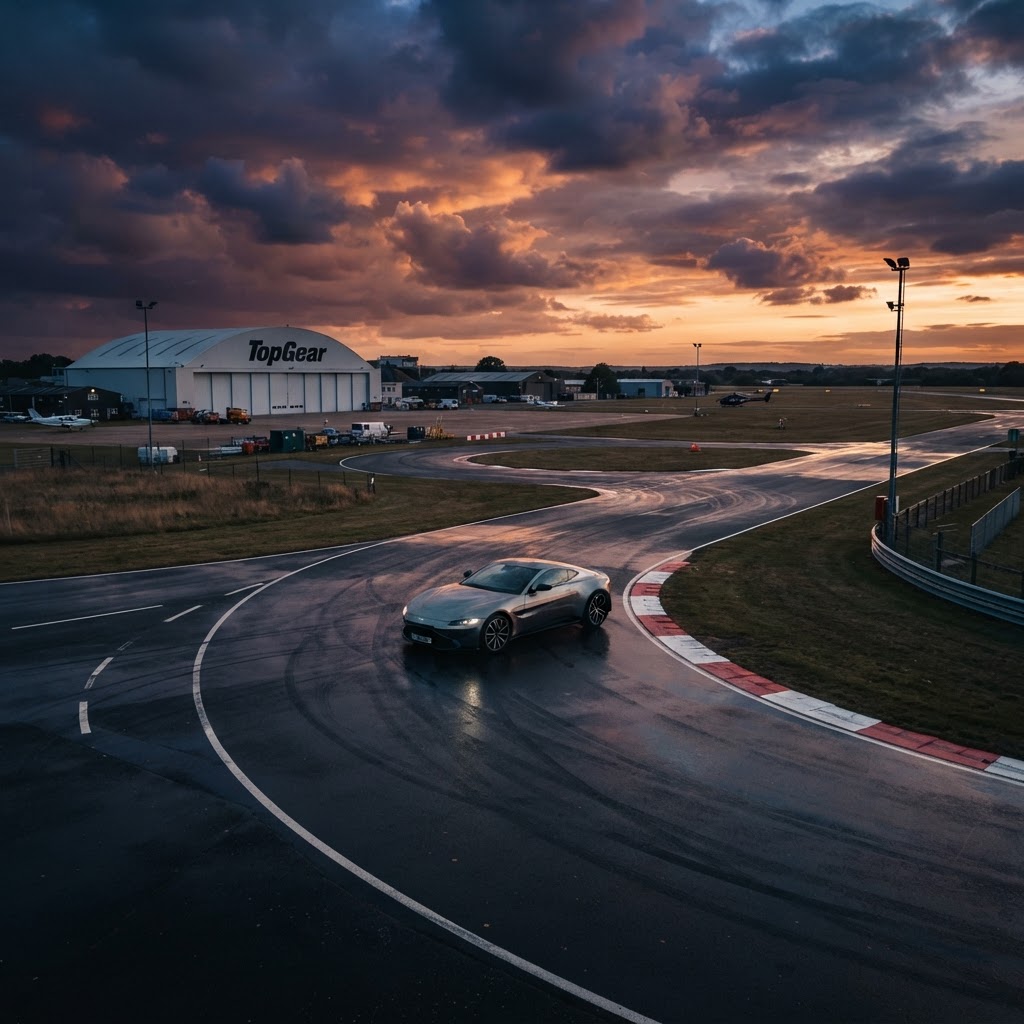
The hiatus was initiated in December 2022 following an incident at the Dunsfold Park Aerodrome in Surrey. During a routine filming segment, the three-wheeled vehicle being driven by Flintoff overturned, resulting in life-altering injuries to the former England cricket captain. The subsequent investigation into safety protocols at the BBC triggered a wider review of how the broadcaster manages high-risk production environments. Critics at the time questioned whether the relentless pursuit of spectacular stunts had eventually compromised the welfare of the presenters. The BBC's response was to pause the series, acknowledging that a period of reflection was necessary for both the cast and the production team.
Reframing the Format
Industry insiders suggest that the new iteration of Top Gear will likely move away from the high-octane, sometimes perilous physical challenges that defined the programme in the streaming age. Instead, the focus is expected to return to the essence of what made the show a staple for generations: a blend of consumer advice, historical automotive storytelling, and the interpersonal dynamics of a balanced presenting team. The shift reflects a wider industry trend where broadcasters are increasingly cautious about the legal and reputational risks associated with 'stunt-heavy' factual entertainment. Experts in television production note that the modern audience, now more informed about the realities of on-set production, is less likely to celebrate the risks taken by presenters for the sake of an engaging edit.
The Legacy of the Brand
Top Gear has remained an indelible part of British television for decades, consistently drawing in millions of viewers despite various controversies and changes in personnel. From its humble beginnings as a consumer-led motoring show in the late 1970s to its global expansion into a multi-billion-pound franchise, it has functioned as a barometer for the state of the British car industry. By confirming the return of the programme, the BBC is signalling its commitment to high-budget, appointment-to-view content, even in a media landscape increasingly dominated by on-demand services. The question remains, however, whether the public will welcome back a format that has been so closely associated with a traumatic event in recent history. The production team is reportedly finalising a list of new presenters, with the BBC keen to stress that safety remains the cornerstone of their future operational strategy.
Future Horizons
As the corporation prepares to bring the show back to the airwaves, the focus will be on restoration of trust. The return of Top Gear is not merely a logistical challenge, but a symbolic one. It is a test of whether a legacy show can adapt to the rigorous scrutiny of 2026. For now, the automotive community waits with anticipation to see if the programme can rediscover the magic that once made it the envy of broadcasters worldwide, without relying on the dangerous spectacle that ultimately led to its undoing.