The Trial of Silence: How Milo Rau Brings the Pelicot Case to the London Stage
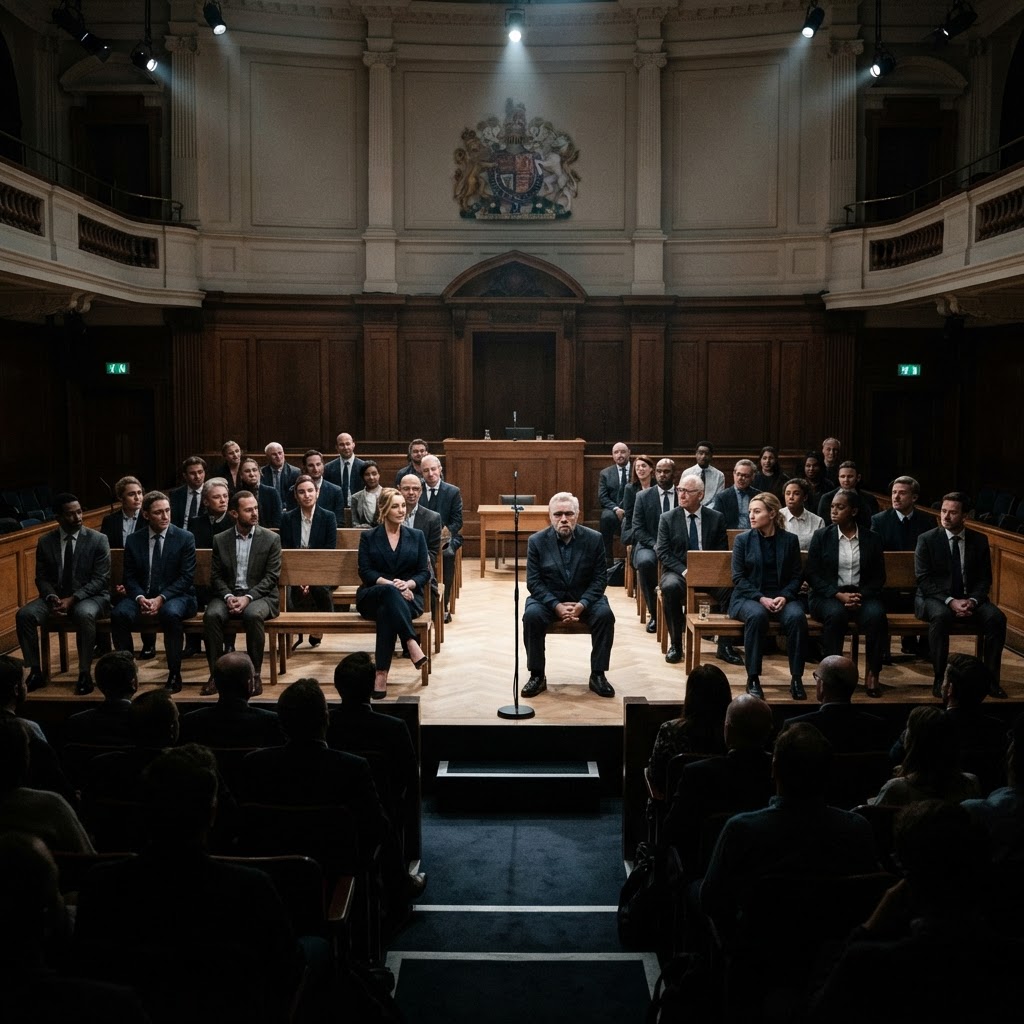
An international ensemble, featuring Kate Winslet and Brian Cox, joins the Young Vic for a documentary staging of the trial that shook France. This ambitious production aims to confront the darkest corners of human agency and judicial transparency.
VC
Victoria Cross
Culture Editor
Published 7 November 2026·about 8 hours ago 3 min read
Text
TopicsCultureTheatreYoung VicMilo RauGisèle PelicotHuman Rights
About the Author
VC
Victoria Cross
Culture Editor
Victoria Cross reports for National Post UK with a focus on rigorous analysis and authoritative journalism — a trusted voice across British public life.
Reader Discussion · 5
Subscribers can join the conversation.
SUBSCRIBE TO COMMENT →J
Julian Foster7 Nov
Art has always been a way for society to process collective trauma. Providing a space to analyse the societal factors that allowed this to happen is far more constructive than simply ignoring it.
M
Mark Sterling7 Nov
It seems a bit soon for a stage adaptation. I worry that we are prioritising the artistic reinterpretation over the actual healing process for those affected by these crimes.
E
Elena Richards7 Nov
As someone who followed the Pelicot trial closely, I think it is important that the discussion remains in the public sphere. If this play encourages even one more person to recognise the signs of coercive control, then it serves a vital purpose.
D
David Thorne7 Nov
Milo Rau has a track record of challenging audiences to confront uncomfortable truths. While it is undoubtedly a difficult subject, theatre is often the best medium for dissecting the systemic failures of our justice system.
S
Sarah Jenkins7 Nov
I am not sure how I feel about this. Turning such a harrowing real-life trauma into a piece of theatre feels like it risks sensationalising the victims' suffering for entertainment purposes.