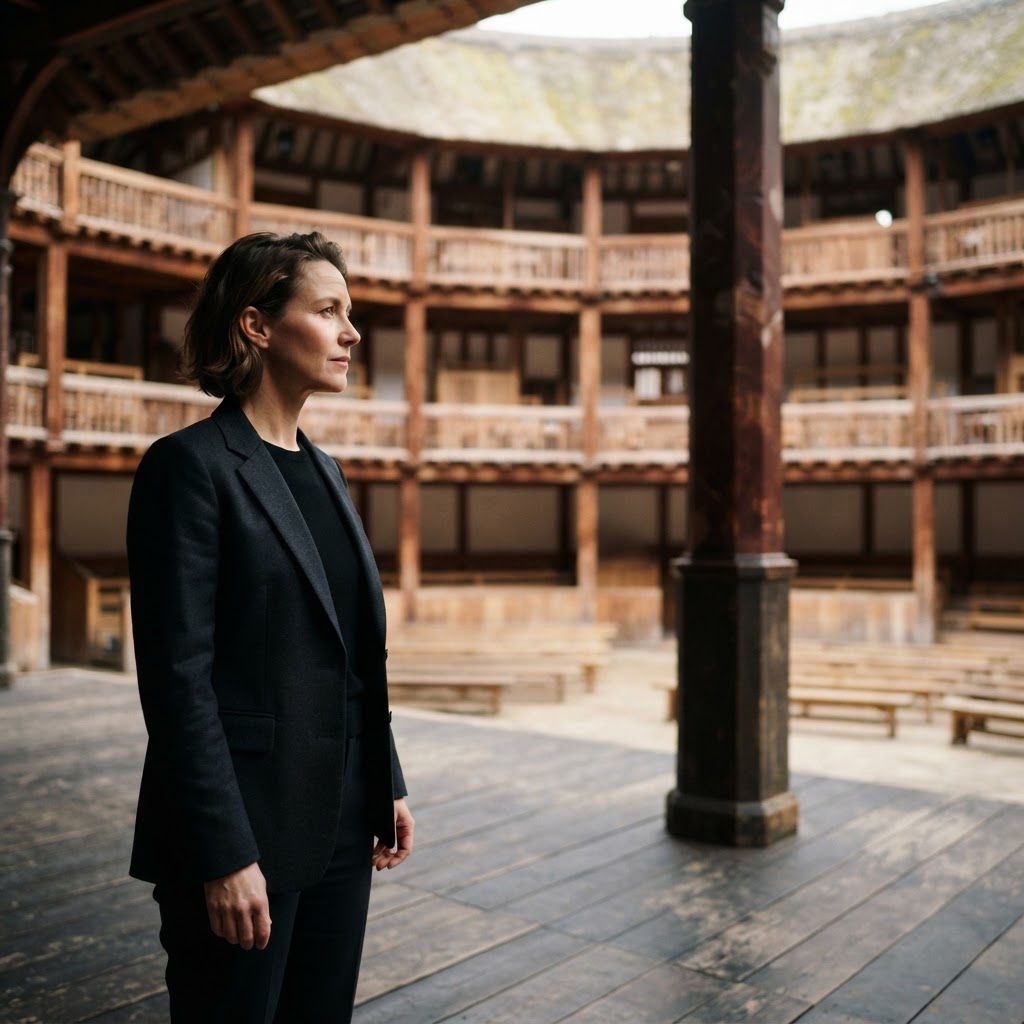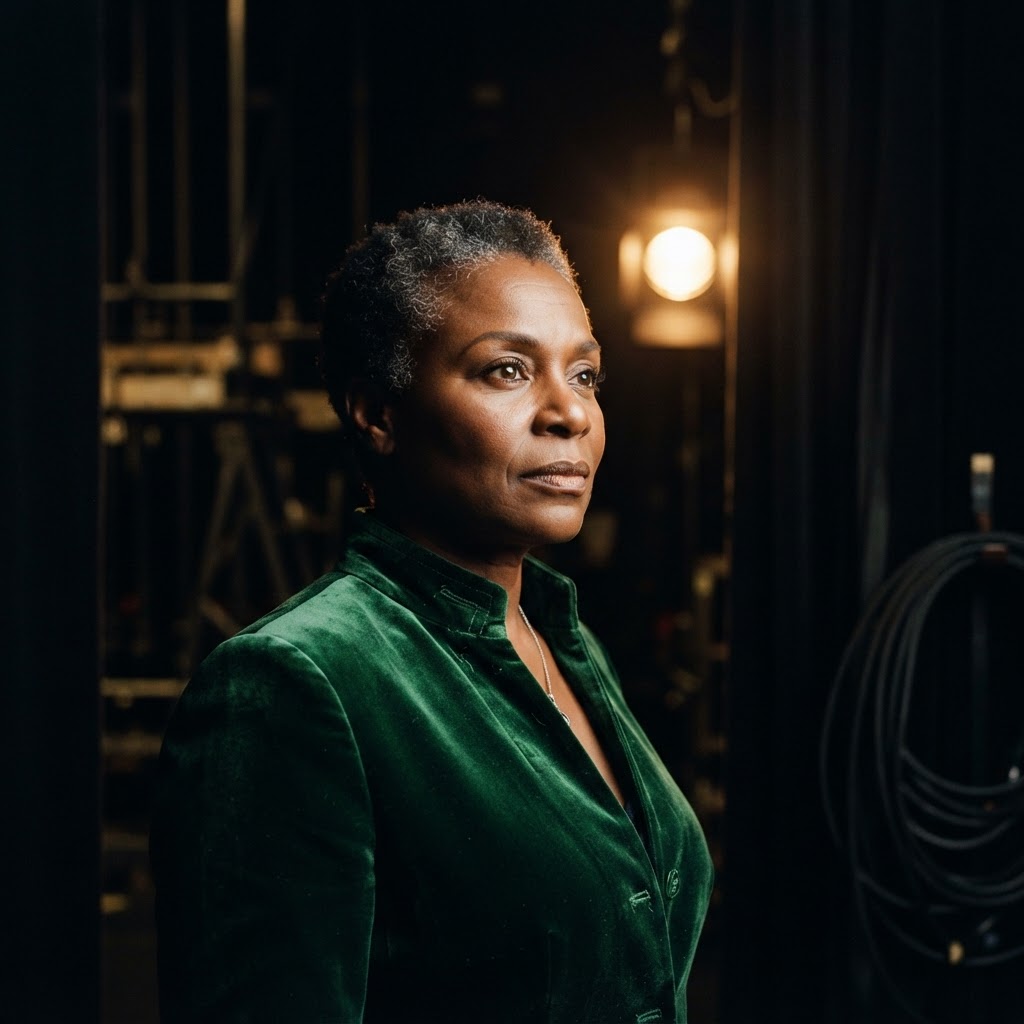
Royal Shakespeare Company Pauses Othello Production Following Sharon D Clarke Cancer Diagnosis
The celebrated performer has stepped away from the upcoming Stratford-upon-Avon run to prioritise her health. The theatre industry has rallied behind one of its most cherished figures as she begins treatment.
VC
Victoria Cross
Culture Editor
Published 14 August 2026·3 months ago 3 min read
Text
TopicsSharon D ClarkeRoyal Shakespeare CompanyOthelloBritish TheatreHealthArts News
About the Author
VC
Victoria Cross
Culture Editor
Victoria Cross reports for National Post UK with a focus on rigorous analysis and authoritative journalism — a trusted voice across British public life.
Reader Discussion · 5
Subscribers can join the conversation.
SUBSCRIBE TO COMMENT →E
Eleanor Rigby14 Aug
She is undoubtedly one of the finest actors we have today. The RSC is doing the right thing by putting humanity before the ticket office.
J
Julian Foster14 Aug
It raises the question of whether major national institutions should rely so heavily on single stars for these high-profile productions. It is a massive risk to the budget if the lead is unable to perform for any reason.
S
Sarah P. Higgins14 Aug
Having gone through treatment myself, I know exactly how exhausting this process is. People should not be worrying about theatre schedules when someone's health is at stake. Get well soon, Sharon.
D
David Jenkins14 Aug
I suppose they had little choice but to pause production given her stature, but it is a shame for the rest of the cast and crew who have put in months of work. I hope they find a way to support the production staff during this hiatus.
M
Margaret Thorne14 Aug
Absolutely devastating news. Sharon is such a powerhouse on stage and she deserves all the time in the world to focus on her recovery. Sending her every best wish.