National Post UK
BAFTA Broadens Horizons: A Strategic Shift for British Cinema in 2027

As the race for the 2027 EE BAFTA Film Awards commences, the Academy has expanded its longlist for the 'Outstanding Brit

The National Post

HomeCulture
Culture

BAFTA Broadens Horizons: A Strategic Shift for British Cinema in 2027

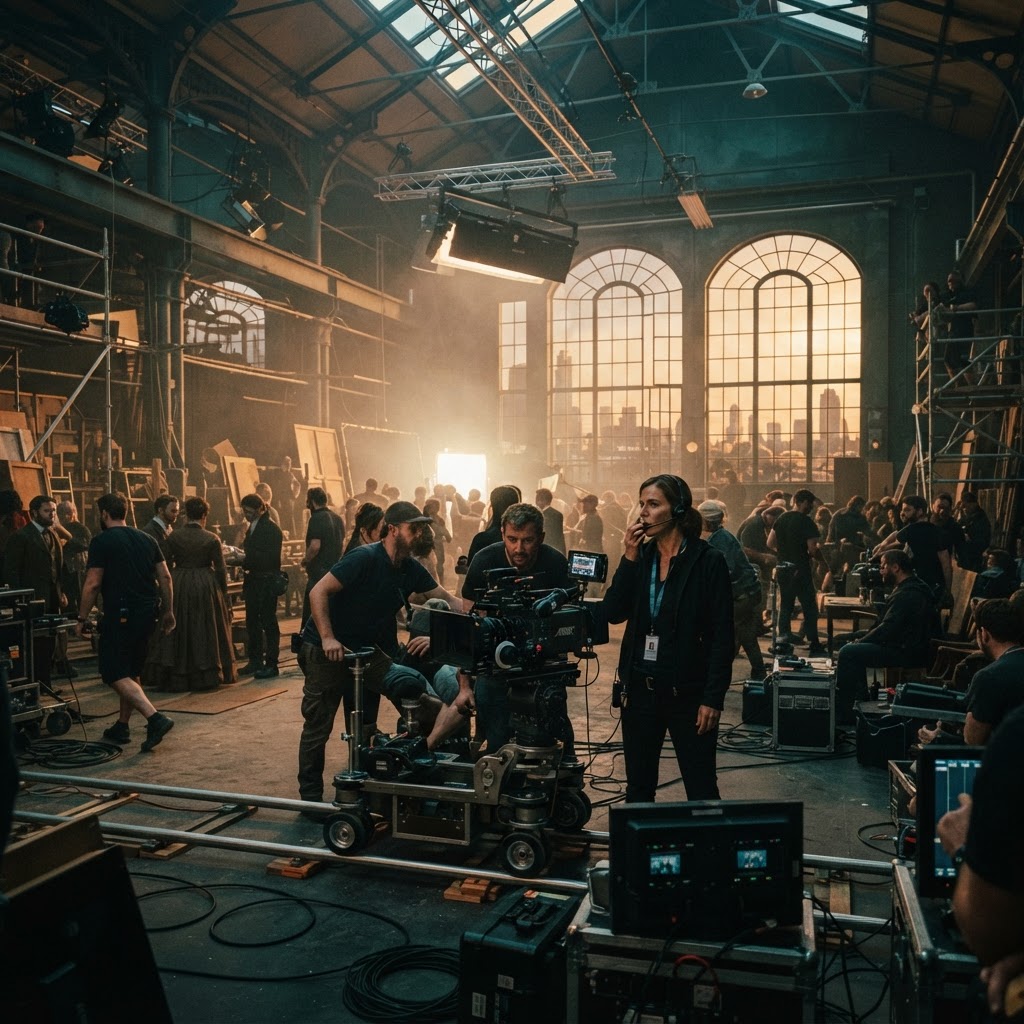
As the race for the 2027 EE BAFTA Film Awards commences, the Academy has expanded its longlist for the 'Outstanding British Film' category. The move reflects a significant surge in domestic production and aims to provide greater visibility to the depth of the nation's creative output.

BO

Benjamin Osei

Culture Editor

Published 23 July 2026·4 months ago 3 min read
Text
Share

A New Chapter for British Production The machinery of the British film industry has officially begun its ascent toward the 2027 EE BAFTA Film Awards. With the opening of entries on Wednesday, 22 July 2026, the Academy has signalled its intention to adapt to an era of unprecedented productivity. By expanding the longlist for the 'Outstanding British Film' category from 15 to 20 titles, BAFTA is acknowledging a landscape that has become increasingly crowded, ambitious, and diverse.

This adjustment is not merely a numerical change but a strategic response to the shifting demographics of the UK film sector. In recent years, the sheer volume of domestic production has reached levels that were previously unimaginable, bolstered by tax incentives and a burgeoning infrastructure in regions beyond London. Yet, for independent filmmakers, the challenge of securing visibility remains acute. By widening the funnel for the 'Outstanding British Film' longlist, the Academy provides a broader platform for titles that might otherwise be overlooked during the early stages of the awards cycle.

Balancing Membership and Expertise Despite the expansion of the longlist, the final shortlist of 10 nominations will remain fixed, preserving the prestige of the final selection process. The methodology for arriving at this list maintains the delicate balance between populist sentiment and critical scrutiny: five films will be selected through a direct membership vote, while the remaining five will be determined by an expert nominating jury. This dual-track approach is intended to ensure that the final contenders represent both the commercial resonance of modern British cinema and the artistic rigour championed by industry veterans.

Industry analysts have suggested that the inclusion of five additional spots on the longlist is a necessary evolution to reflect the true depth of the field. In an increasingly globalised market, where British talent is constantly courted by major international streamers, the 'Outstanding British Film' award remains a vital recognition of local identity and craftsmanship.

Reflecting a Dynamic Industry The decision to expand the category follows a record-breaking period for British acting and production entries. As studios continue to invest in UK-based facilities, the pipeline of content has grown exponentially. However, this growth has also brought to the fore questions regarding the sustainability of the industry and the need to nurture indigenous voices. By creating more space in the awards discourse, BAFTA aims to provide a more comprehensive snapshot of the sector's health.

This development comes at a time when the British film industry is grappling with its place in a globalised economy. The 'Outstanding British Film' category has long served as a bellwether for the creative direction of the nation, and the new longlist format will undoubtedly allow for a more nuanced recognition of low-budget gems alongside high-profile studio productions. The coming months will be pivotal as the jury and voters weigh the merits of an increasingly expansive field of contenders.

“The expansion represents a commitment to documenting the true breadth of our industry, ensuring that the sheer volume of modern British production is met with a platform that recognises its artistic range.”

TopicsBAFTABritish CinemaFilm AwardsUK ArtsCulture
Share

About the Author

BO

Benjamin Osei

Culture Editor

Benjamin Osei reports for National Post UK with a focus on rigorous analysis and authoritative journalism — a trusted voice across British public life.

Reader Discussion · 10

Subscribers can join the conversation.

SUBSCRIBE TO COMMENT →
M
Marcus Sterling23 Jul

It is a brave move for 2027, but the proof will be in the shortlist. Let us see if the jury actually picks fresh talent or if we end up with the same usual suspects yet again.

E
Eleanor Rigby23 Jul

I hope this means we see more diversity in the regional submissions. There is so much talent in the North that never gets a look-in at the BAFTAs because of how insular the selection process has been.

D
David P. Sutton23 Jul

A necessary move for 2027. If the BAFTAs want to stay relevant on the global stage, they have to adapt to the way audiences are consuming content now, regardless of the distribution platform.

D
David Thorne23 Jul

Having worked in production for twenty years, I think the technical requirements for entry have always been a barrier for regional filmmakers. If this makes the process more accessible for those outside of London, it is a massive win.

E
Eleanor Rigby23 Jul

Let us hope this actually leads to more diverse stories reaching the screen. The awards mean nothing if they just continue to celebrate the same five production houses year after year.

M
Marcus Vane23 Jul

Having worked on several mid-budget features over the last decade, I find the expansion of eligibility quite promising. We need to bridge the gap between regional talent and the London-centric awards circuit if we want British cinema to truly flourish.

S
Sarah Jenkins23 Jul

I am a bit sceptical about this shift. They keep saying they are broadening horizons, but it often feels like they are just chasing trends rather than rewarding genuine craft and storytelling.

S
Sarah Jenkins23 Jul

I am a bit skeptical, to be honest. Every time they talk about a strategic shift, it usually ends up being more bureaucracy for small filmmakers who are already struggling to get their work seen.

A
Arthur Penhaligon23 Jul

It is about time they opened up the criteria. British cinema has felt a bit stale lately, and focusing on independent voices might actually breathe some life back into the awards.

J
Julian Thorne23 Jul

It is about time the Academy updated their entry criteria. The industry has changed so much since the streaming boom, so I hope these changes actually support independent UK productions rather than just the big studio releases.

More from Culture

Most Read in Culture

Morning Briefing

The day's top stories, before 7am

Join 40,000 readers who start their morning with National Post UK.