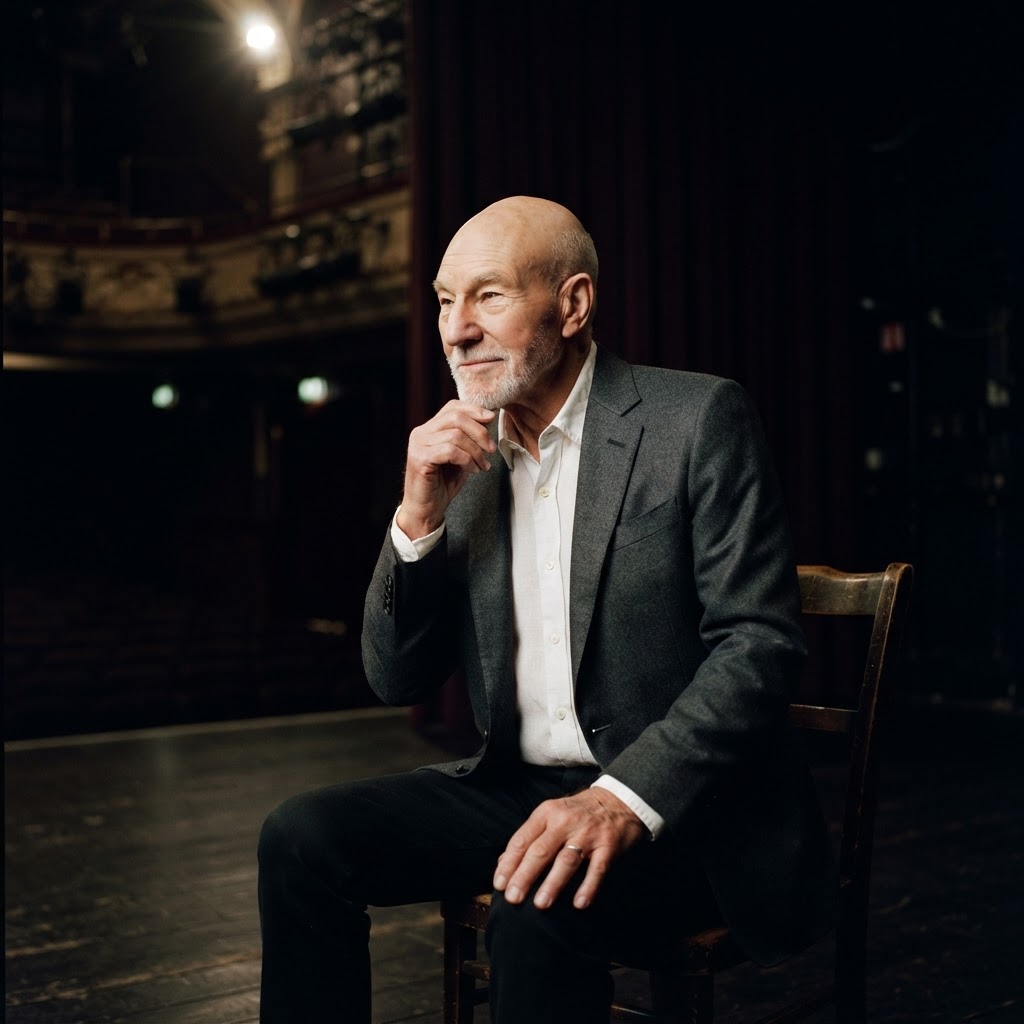
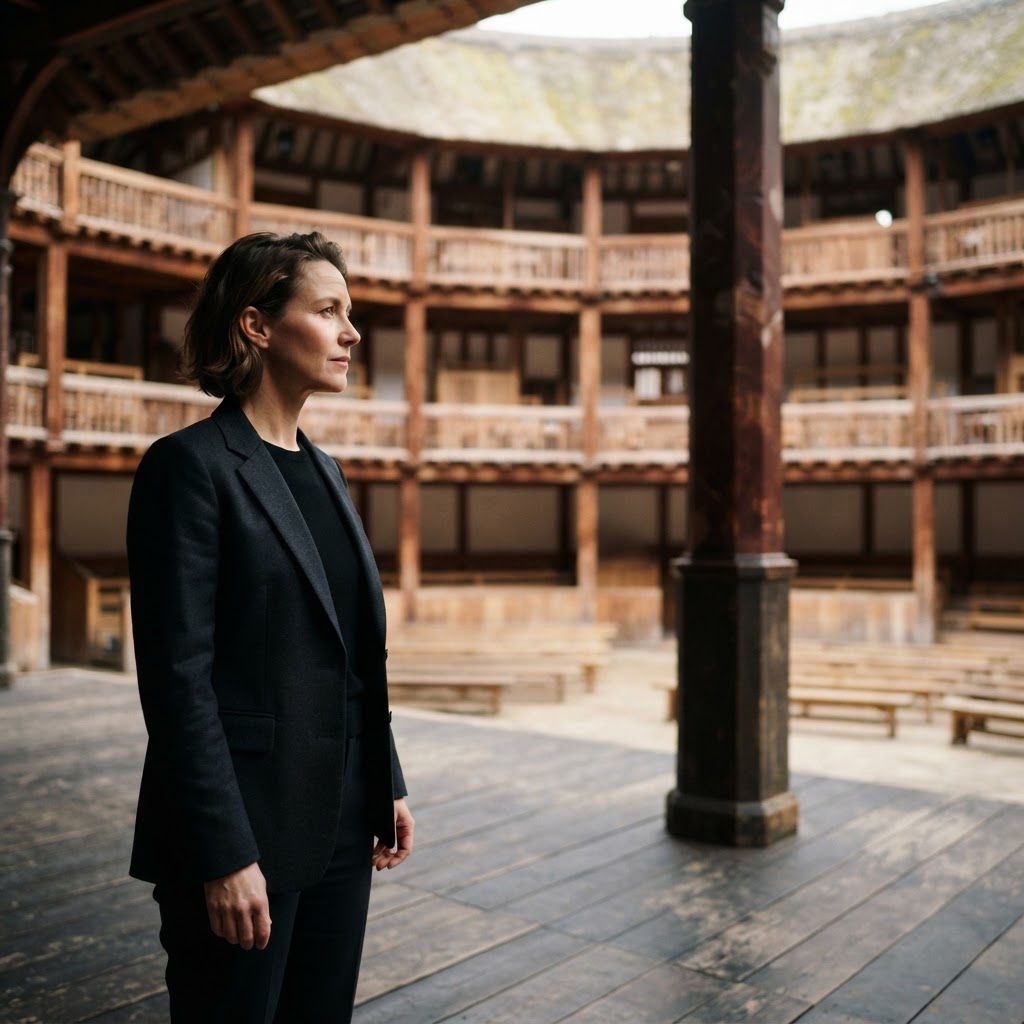
From the hallowed boards of the Royal Shakespeare Company to the far reaches of the galaxy, Sir Patrick Stewart defined a generation of British performance. His death at 86 marks the quiet conclusion to one of the most distinguished careers in modern theatre and cinema.
A Life Measured in Greatness
The British cultural landscape feels notably diminished today following the news that Sir Patrick Stewart, the Yorkshire-born actor whose gravitas and precision redefined the craft of acting, has passed away at the age of 86. For over half a century, Sir Patrick served as a bridge between the classical rigour of the Royal Shakespeare Company and the expansive, populist appeal of global science fiction, proving that high art and mass entertainment need not occupy separate spheres.
The Master of the Bard
Born in Mirfield, West Yorkshire, in 1940, Stewart’s trajectory was far from assured. Yet, through sheer persistence and a distinctive, resonant baritone that would eventually become one of the most recognisable voices in the English-speaking world, he rose to become a cornerstone of British drama. His tenure with the Royal Shakespeare Company in the 1960s and 70s cemented his reputation as a formidable talent. Whether inhabiting the psyche of Macbeth or the intricacies of King John, Stewart possessed an analytical approach to language that made the most complex verses feel immediate and visceral.
A Transatlantic Icon
It was, perhaps unexpectedly, his transition to Los Angeles in the late 1980s that introduced Stewart to a wider, global audience. As Captain Jean-Luc Picard in Star Trek: The Next Generation, he brought a philosophical depth to the science fiction genre that had rarely been seen on television. He did not merely play a spaceship commander; he imbued the role with the stoicism and moral clarity of a Shakespearean lead. This mastery followed him into the X-Men film franchise, where his portrayal of Professor Charles Xavier provided a humanistic anchor to a world of spectacle.
A Partnership Defined by Mutual Respect
Among the many tributes flowing from both sides of the Atlantic, none carries more emotional weight than that of Sir Ian McKellen. Their friendship, often played out in the public eye with a blend of professional reverence and genuine warmth, became a hallmark of the modern acting fraternity. McKellen described Stewart as the most respected and beloved actor of his generation, noting that his influence extended far beyond the characters he inhabited. For many, the two men represented the pinnacle of what it meant to be a British actor in the twenty-first century: disciplined, versatile, and perpetually curious.
An Enduring Legacy
Beyond the accolades and the iconic roles, Sir Patrick will be remembered by his peers as a tireless advocate for the arts. His contribution to the National Theatre and his ongoing mentorship of young actors ensured that his technical wisdom would pass to the next generation. As we reflect on his long and storied career, it is clear that his death represents more than the loss of a star; it is the fading of a particular kind of traditional, classical brilliance that defined British performance for decades. While he may have departed the stage, the echoes of his performances—from the quiet introspection of a solitary monologue to the commanding presence of an interstellar leader—remain embedded in the cultural fabric of the nation.