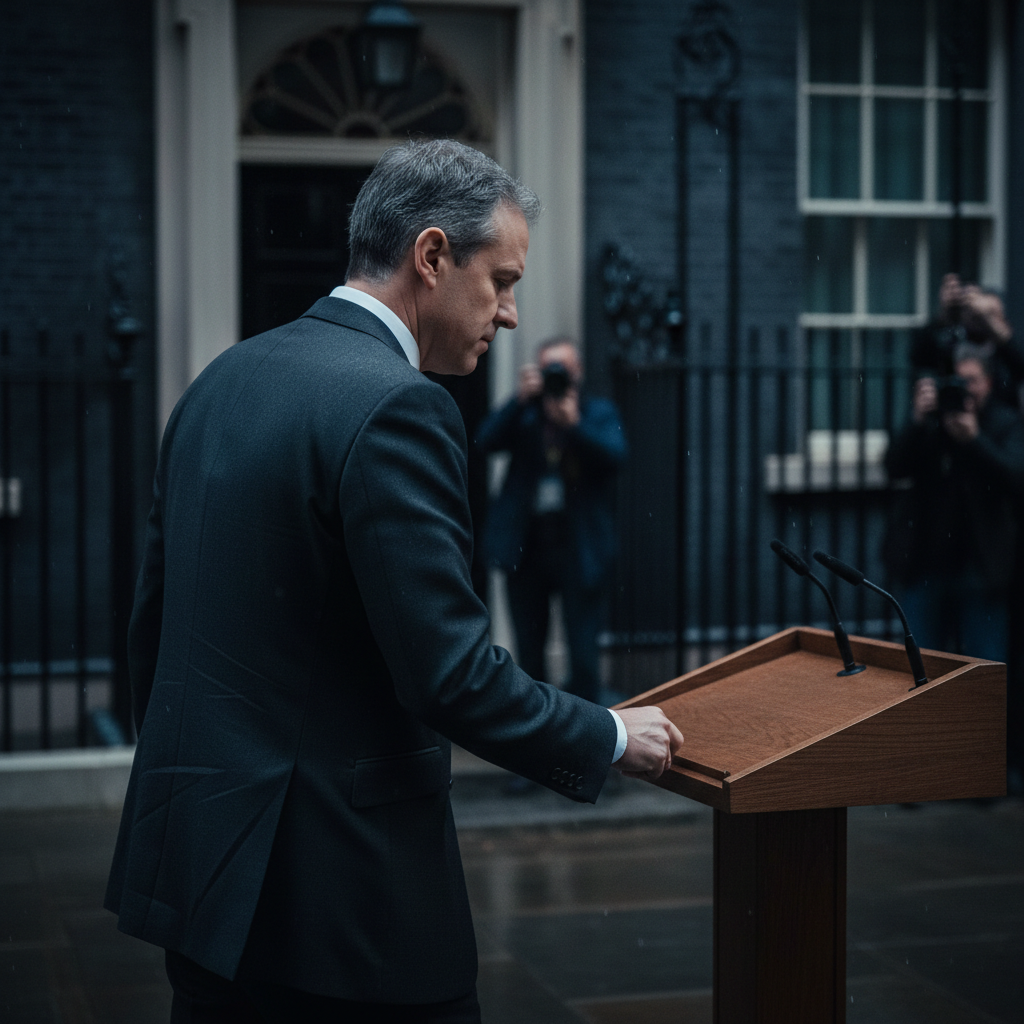
The unexpected resignation of Prime Minister Keir Starmer on June 22, 2026, has thrown the UK financial landscape into disarray. Following substantial losses in local elections and the exit of notable cabinet ministers, Starmer’s departure has not only marked a turning point for the Labour Party but has also prompted immediate and concerning reactions across the markets.
In the wake of Starmer's announcement, UK two-year gilt yields surged to a one-week high, reflecting investor apprehension about the political vacuum and the implications for fiscal policy direction. With uncertainty looming, traders have begun to shift their focus to the potential for a more interventionist government under frontrunner Andy Burnham, who is expected to advocate more aggressive policies in sectors such as public utilities.
Market Impact and Investor Sentiment
Shares in regulated water companies and energy firms bore the brunt of the market’s response, with substantial declines recorded as analysts speculated on the repercussions of Burnham’s potential leadership. Given Burnham’s track record as Mayor of Greater Manchester, where he has championed expansive public services, investors feared that a shift in the Labour leadership could precipitate stricter regulations and increased governmental intervention in essential services.
“"Investors dislike uncertainty, and unfortunately, we have entered a period rife with it."”
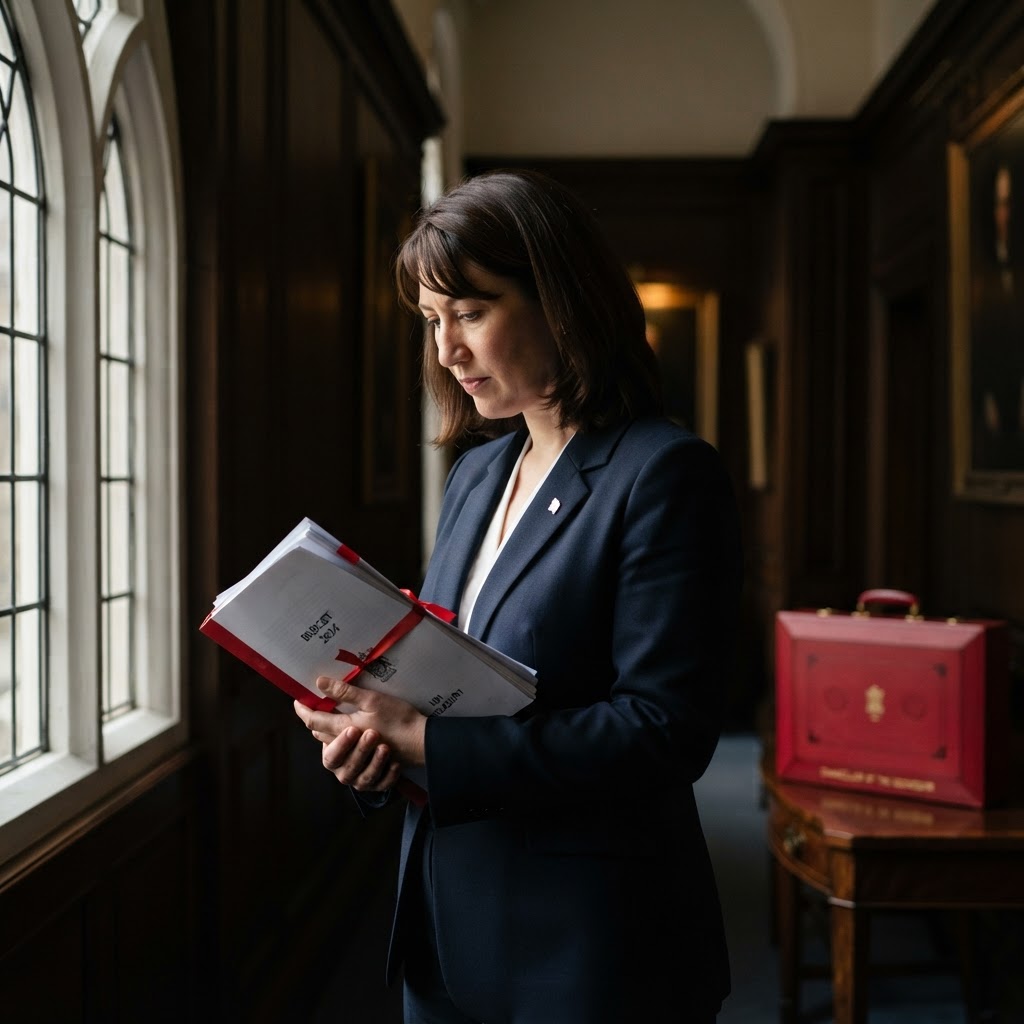
This hypothesis gained credence amid a backdrop of worrying fiscal statistics: UK government borrowing reached a staggering £23.3 billion in May, surpassing government forecasts by a significant margin. Such levels of borrowing raise fresh concerns about the sustainability of fiscal policy, especially amid a challenging economic climate already strained by inflationary pressures and global economic downturns.
The Economic Landscape
Though the resignation of Starmer is primarily a political matter, its timing could not be worse for an economy already showing signs of distress. Earlier this month, S&P Global released data indicating a contraction in UK private sector activity for the first time in more than a year, with the Purchasing Managers’ Index (PMI) plummeting to 48.5. A reading below 50 signifies economic contraction, thereby painting a grim picture of an economy struggling for momentum.
Economic analysts suggest that the combination of soaring government borrowing, declining business activity, and a sudden leadership void creates an atmosphere of trepidation that is unlikely to resolve swiftly. "Investors dislike uncertainty, and unfortunately, we have entered a period rife with it. The confidence that we had been slowly rebuilding is now hanging by a thread," remarked Dr. Simon Hastings, an economist at the University of London.
Political Repercussions
Starmer’s resignation ignites a conversation around the future trajectory of the Labour Party, which has struggled to assert its relevance in the post-Brexit political landscape. With Burnham poised as the likely successor, Labour faces the daunting challenge of reconciling traditional party stalwarts with a membership increasingly leaning towards more radical reforms.
Burnham, who has often challenged prevailing government narratives on austerity and public service funding, may attract a leftward shift that could further alienate centrist voters. While this strategy might galvanize Labour's grassroots support, it risks backfiring in the broader electoral landscape, particularly as the party contends with its track record of governance during Starmer's leadership.
"If Labour is to bounce back, it needs to provide a coherent vision that resonates not only with its base but also with the general populace. Navigating this transition will be pivotal to its lasting success," argues political analyst Joanna Briggs.
Looking Ahead
The immediate future of the UK markets and the Labour Party remains shrouded in uncertainty, particularly as the Conservative government, facing its own internal challenges, watches the unfolding drama with a mix of intrigue and caution. The next few weeks will be crucial, as potential leadership contenders outline their visions, which could offer clues regarding the direction of UK fiscal policy in the coming years.
As the political landscape continues to evolve, investors will keep a watchful eye on developments within the Labour Party, which could alter the very fabric of UK's economic policy. "Regardless of who takes the helm next, it is essential for them to restore confidence—not just in the party, but in the financial markets as well," concludes Dr. Hastings.
For the time being, the City of London is bracing itself for a potential storm, poised between the realms of political upheaval and economic uncertainty, with stakeholders praying for a swift resolution that restores stability.