National Post UK
Double Economic Shock: UK Braces for Tariffs and Energy Price Surge

Prime Minister Andy Burnham has activated a national emergency response as US trade barriers collide with an oil market

The National Post

HomeBusiness
Business

Double Economic Shock: UK Braces for Tariffs and Energy Price Surge

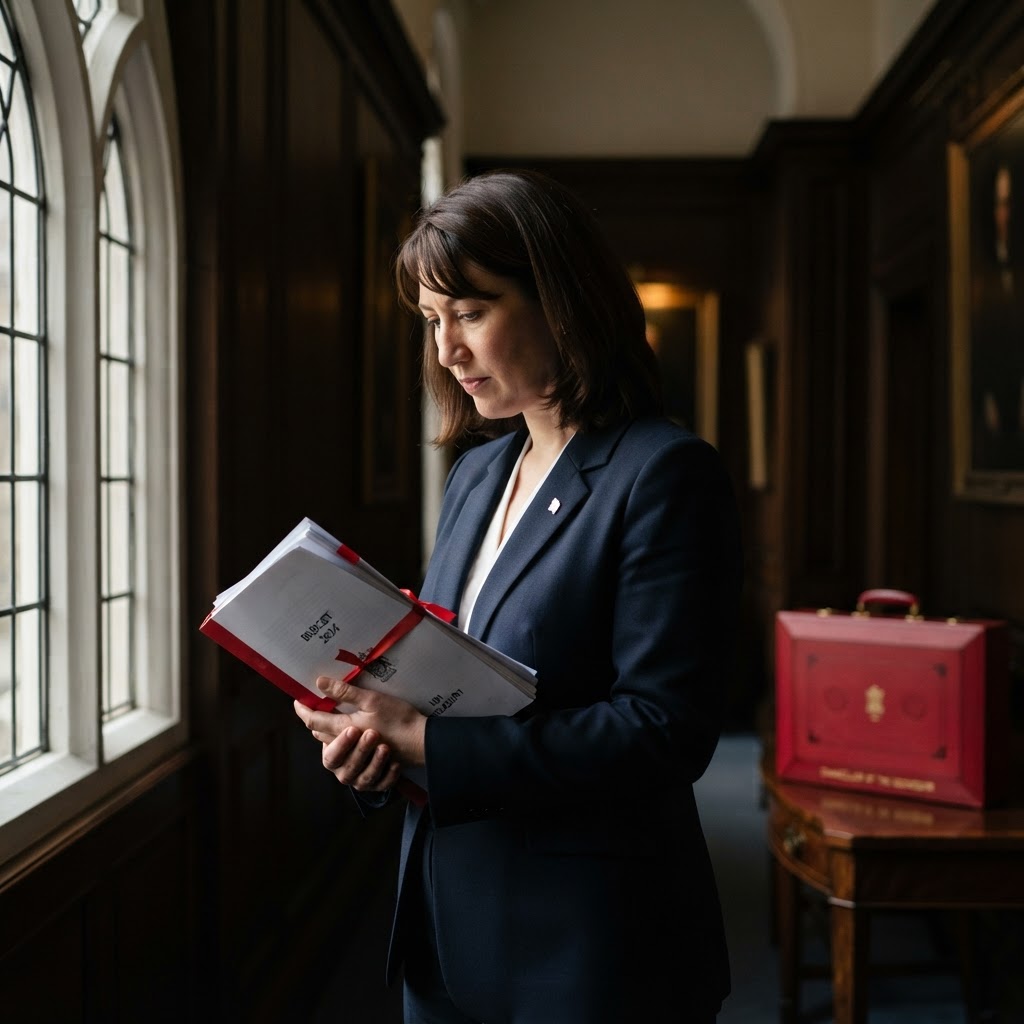
Prime Minister Andy Burnham has activated a national emergency response as US trade barriers collide with an oil market crisis. The government’s move to slash business rates for the hospitality sector marks the first major test for the newly established 'No 10 North' office.

OG

Oliver Grant

Business Editor

Published 26 July 2026·3 months ago 3 min read
Text
Share

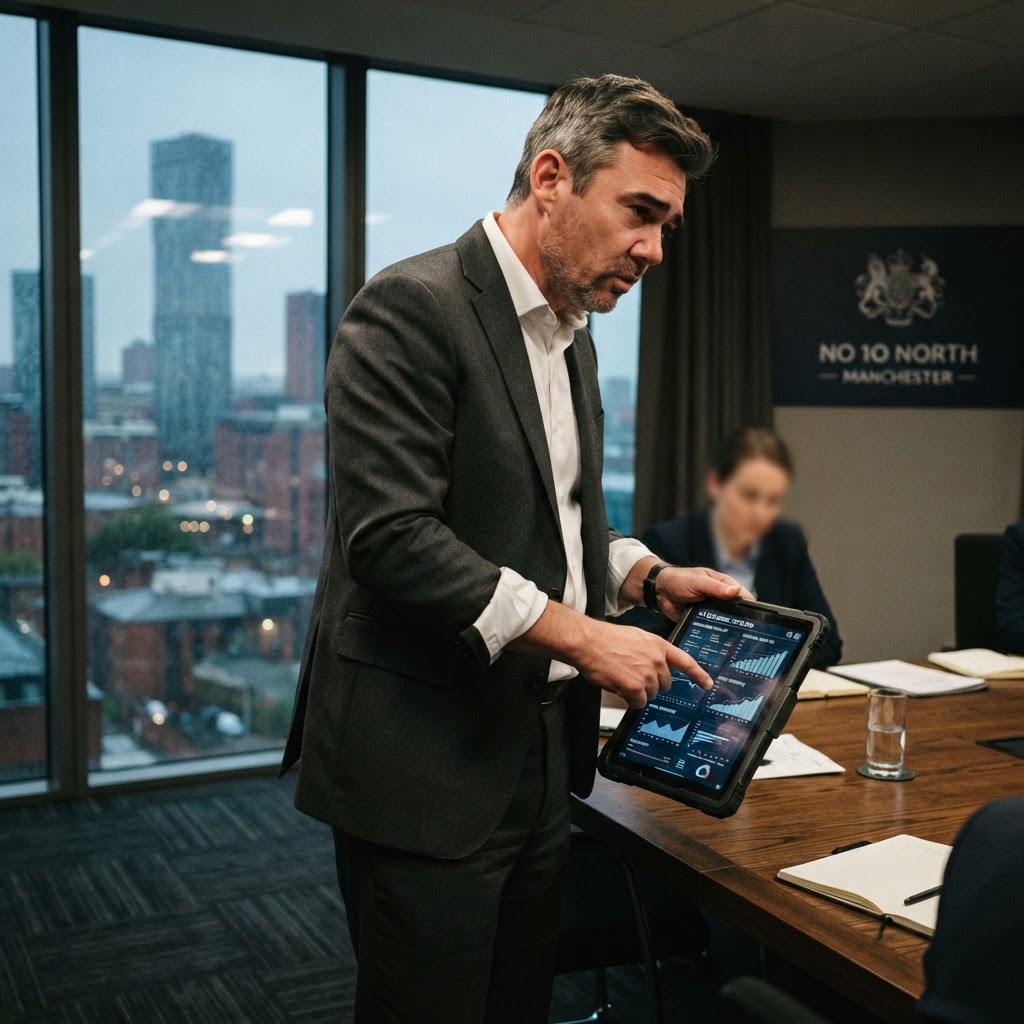
The Perfect Storm For the residents of Manchester, the unveiling of 'No 10 North' this weekend was intended to be a symbol of regional empowerment and a bold statement of intent for the Burnham administration. However, the inauguration of the office was rapidly overshadowed by a dual-fronted economic crisis that threatens to derail the government’s growth agenda. As Brent crude prices breached the psychological threshold of $100 per barrel amidst escalating instability in the Red Sea, news arrived from Washington that the Trump administration had enacted a sweeping suite of tariffs, ranging between 10% and 12.5%, on goods exported from over 60 nations, including the United Kingdom.

The Trade Barrier Hurdle The imposition of these duties on Friday, July 24, represents a severe recalibration of the transatlantic trade relationship. British manufacturers, particularly those in the automotive and high-end engineering sectors, are now grappling with an immediate competitiveness gap. Treasury analysts are currently modelling the long-term impact of these levies, though initial projections suggest that the cost of doing business with the United States could rise significantly within the next fiscal quarter. The timing could scarcely be worse; the UK has been attempting to navigate a delicate path between maintaining robust regulatory standards and fostering international trade agreements in a fragmented geopolitical climate.

A Tactical Pivot in Manchester In response, Prime Minister Andy Burnham convened the inaugural meeting of the National Economic Council at the new northern headquarters. The tone within the chamber was described by aides as one of 'measured urgency.' Recognising that the cumulative effect of higher energy inputs and increased export duties could result in a sharp contraction in consumer spending, the government announced a targeted intervention. Some 32,000 hospitality venues across the country will receive an emergency 20% reduction in business rates. The move is designed to provide immediate liquidity to an industry that is currently absorbing the sharp end of rising supply chain costs.

The Inflationary Outlook Despite the so-called 'Burnham bounce'—a modest uptick in consumer confidence, which moved to -17 points in the July readings—economists remain deeply sceptical regarding the medium-term stability of the recovery. The combination of sustained, high-cost energy and the disruption of critical shipping lanes in the Red Sea acts as a classic supply-side shock. Financial observers fear that these conditions will inevitably bleed into the retail price index. While inflation currently sits at a manageable 2.6%, there is growing consensus among independent forecasting bodies that the current events could force that figure back towards a more volatile territory by the end of the year.

Navigating Uncertainty The government now finds itself in a race against time to balance fiscal discipline with the necessity of intervention. By decentralising economic decision-making to Manchester, the Prime Minister is attempting to demonstrate a closer alignment with the industrial heartlands that are most vulnerable to the current global instability. Yet, the challenge remains immense. The volatility of the global oil market, linked directly to the ongoing conflict in the Middle East, suggests that the UK government has limited capacity to manage external variables. As the first week of 'No 10 North' comes to a close, the administration is left to grapple with the reality that, in an era of globalised trade, the distance between the Red Sea and the high streets of Britain has never felt shorter.

TopicsEconomyTradeEnergyUK GovernmentAndy BurnhamBusinessTariffs
Share

About the Author

OG

Oliver Grant

Business Editor

Oliver Grant reports for National Post UK with a focus on rigorous analysis and authoritative journalism — a trusted voice across British public life.

Reader Discussion · 11

Subscribers can join the conversation.

SUBSCRIBE TO COMMENT →
F
Fiona Campbell26 Jul

It is a grim outlook for anyone on a fixed income. I really hope the government has a plan beyond just announcing new offices while the cost of living spirals out of control.

M
Marcus Reid26 Jul

An analytical look at the supply chain issues shows we are far too vulnerable to import costs. Diversification should have been the priority years ago, but now we are just paying the price for past negligence.

E
Elaine Barker26 Jul

I live in Manchester and frankly, I am tired of the rhetoric. We need actual investment in regional infrastructure, not just a fancy new office building while prices continue to climb for everyone.

D
David Thorne26 Jul

These tariffs are a direct consequence of global trade tensions that were entirely predictable. We need to focus on domestic energy production rather than relying on the volatile international markets.

S
Sarah Jenkins26 Jul

I am not sure why people expected No 10 North to fix structural economic issues overnight. It is a symbolic move, but symbols do not pay the heating bills when the grid prices spike.

A
Arthur Penhaligon26 Jul

It feels like we are constantly jumping from one crisis to another. My energy bill is already astronomical and this news just makes me wonder how any small business is meant to survive the winter.

G
Graham Wells26 Jul

We need to focus on domestic energy production if we ever want to insulate ourselves from these global price surges. Relying on imports is clearly a failing strategy at this point.

L
Linda Mistry26 Jul

I am trying to remain optimistic about the regional shift in government, but it is hard to see the benefits when the cost of living is rising so sharply. I hope the administration has a clear plan to support those hardest hit.

D
David Thorne26 Jul

The geopolitical situation makes these tariffs almost unavoidable, unfortunately. It is going to be a very difficult year for small businesses trying to manage these rising supply chain costs.

S
Sarah Jenkins26 Jul

While I appreciate the sentiment behind No 10 North, this feels like an empty PR gesture when the actual economic reality is so bleak. We need concrete trade policy, not more office buildings in Manchester.

A
Arthur Penhaligon26 Jul

It feels like we are constantly jumping from one crisis to the next. My energy bills are already extortionate, and the prospect of further price hikes is genuinely terrifying for pensioners this winter.
More from Business

Most Read in Business

Morning Briefing

The day's top stories, before 7am

Join 40,000 readers who start their morning with National Post UK.