A monumental clinical trial involving 700,000 women seeks to integrate artificial intelligence into routine diagnostic pathways. By augmenting the expertise of clinicians, the health service aims to achieve earlier diagnoses and deliver more focused patient care.
A New Era in Diagnostic Precision
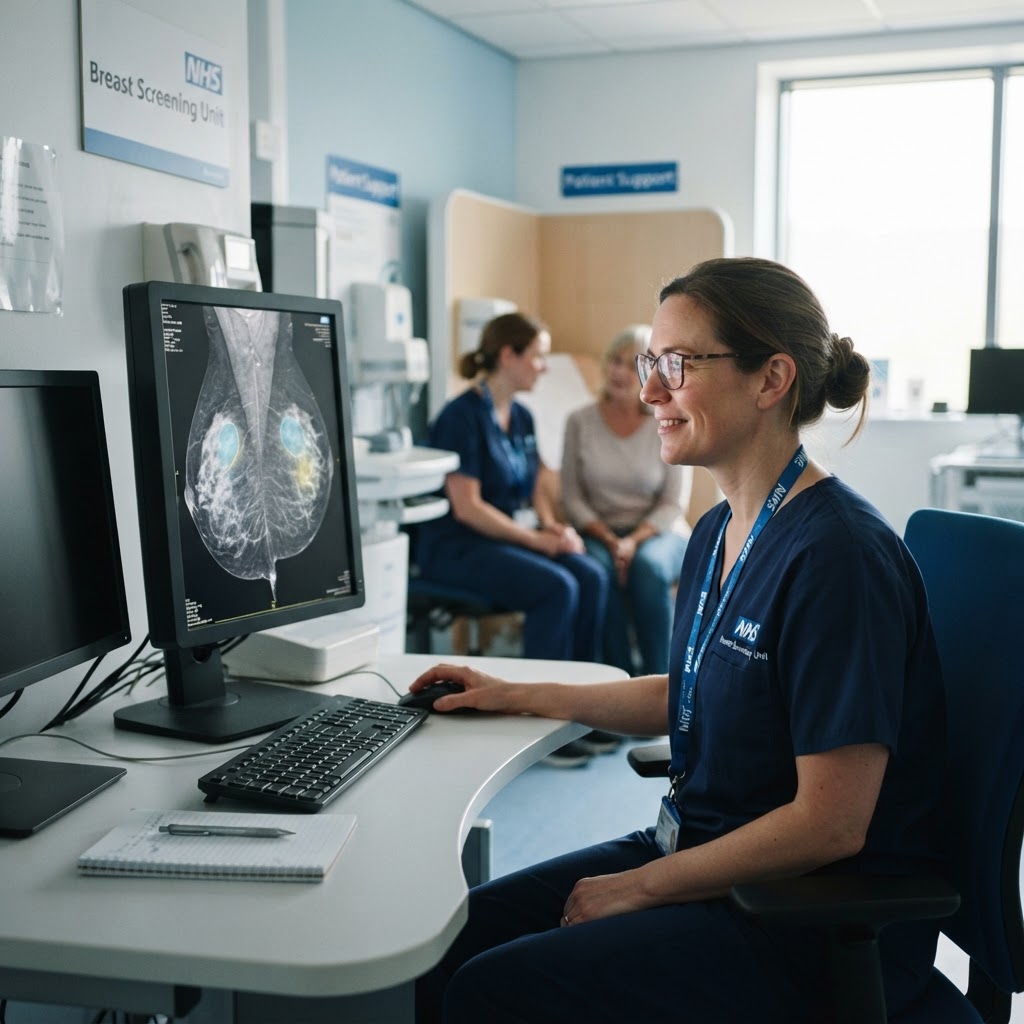
In a landmark development for modern medicine, the National Health Service has commenced what is officially recognised as the world's largest clinical trial of artificial intelligence in breast cancer screening. Over the next three years, the initiative will monitor nearly 700,000 women across the UK, marking a significant shift in how the NHS approaches the early detection of malignant tumours. Backed by a £10 million investment, the study represents a strategic commitment to harnessing frontier technology to preserve life while simultaneously alleviating the profound pressures currently facing the radiology workforce.
The Mechanics of Machine Learning
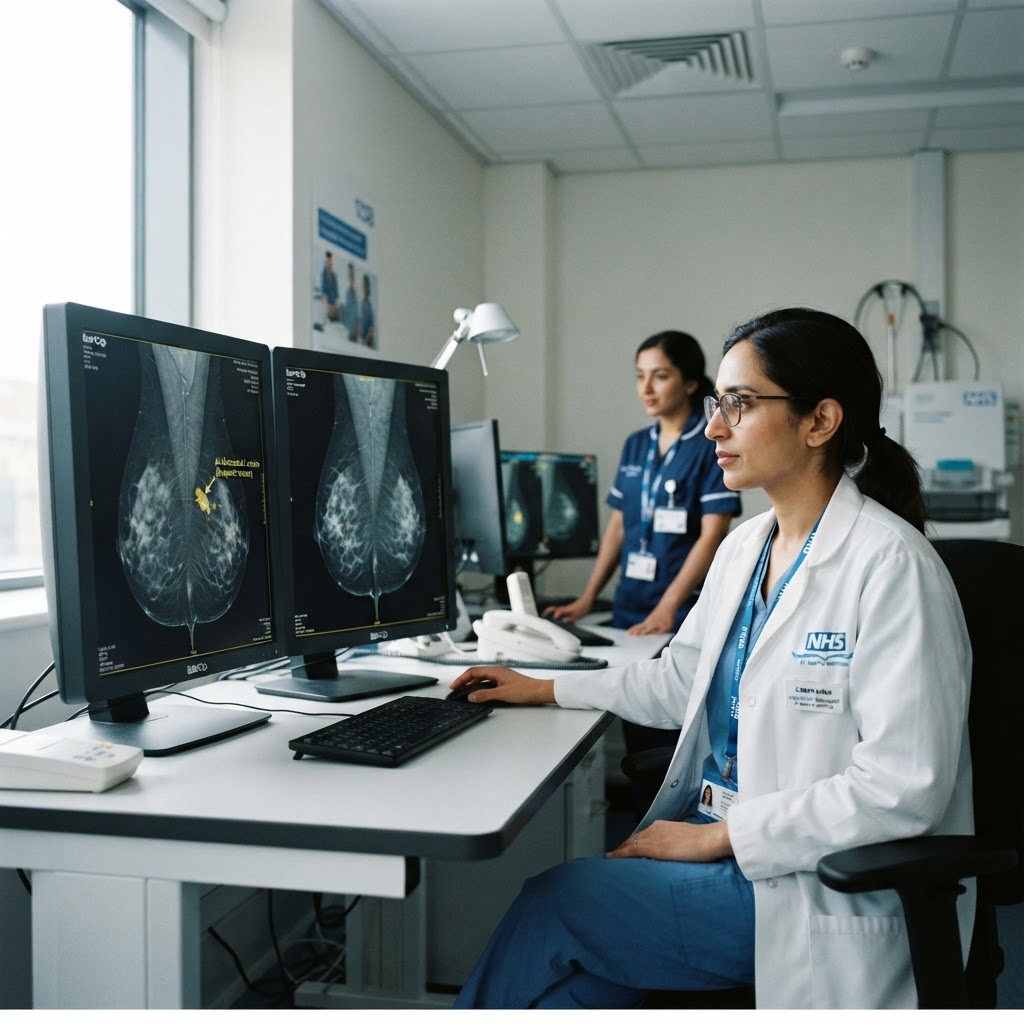
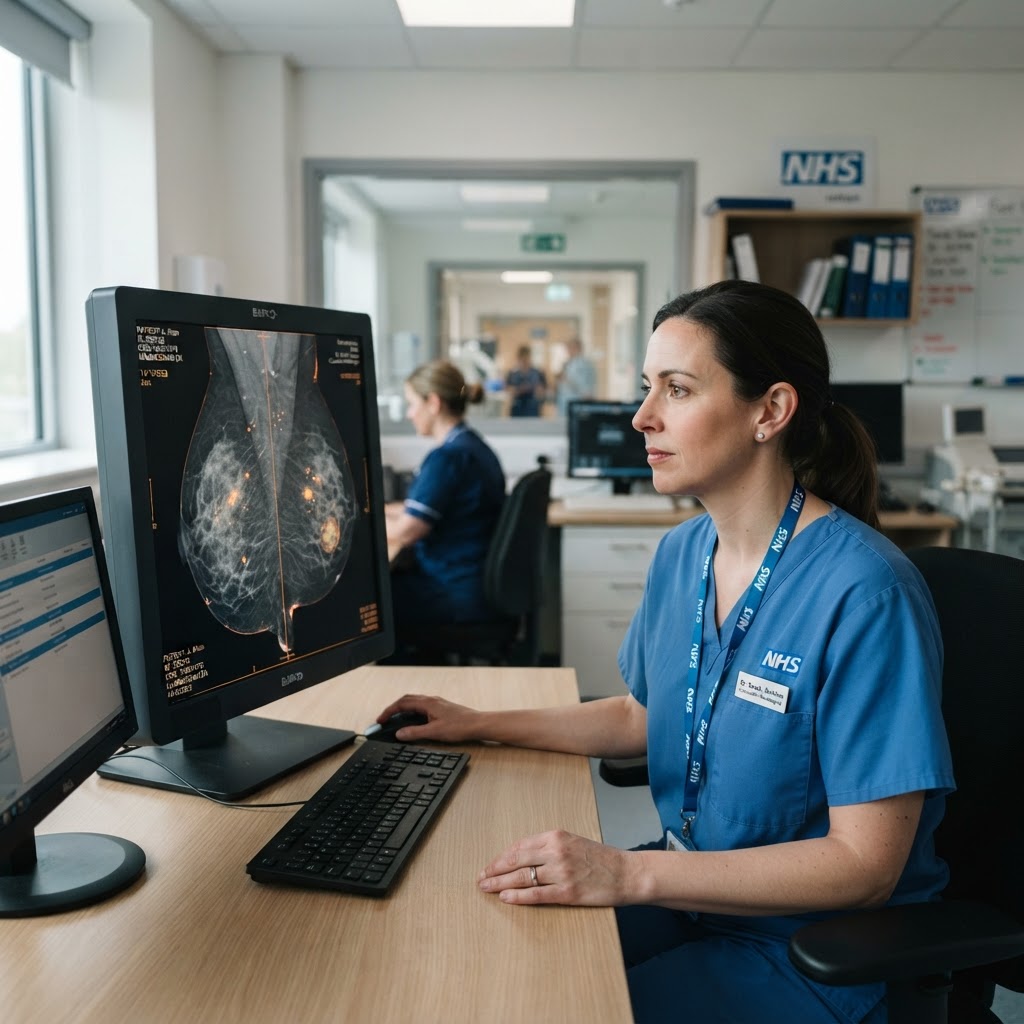
At the heart of this programme lies the integration of advanced algorithmic tools designed to assist radiologists in the interpretation of mammograms. Traditionally, a screening mammogram is reviewed by two independent specialists, a process that is both resource-intensive and inherently prone to the limitations of human fatigue. The new trial will evaluate whether an AI-augmented diagnostic workflow can effectively flag suspicious tissue with higher sensitivity and consistency. The primary objective is to determine if these systems can reduce the occurrence of false negatives and false positives, ensuring that cancers are identified at the earliest, most treatable stage.
Alleviating the Burden on Clinicians
Beyond the immediate clinical benefits of improved detection, the trial addresses the systemic problem of radiologist burnout. With demand for imaging services having surged in recent years, the capacity of specialist clinicians has been stretched to its limit. By automating the preliminary review process, the AI systems are intended to filter out routine cases, thereby allowing consultant radiologists to dedicate their time to more complex analyses and direct patient consultations. This shift is expected to reduce diagnostic waiting times significantly, a critical metric for cancer survival rates across the UK.
Expert Perspectives
Health sector analysts have lauded the initiative for its scale and ambition. Dr Elena Vance, a specialist in medical technology integration, suggests that this is the moment the NHS transitions from experimental AI to routine standard of care. 'We are moving past the theoretical applications of computer vision,' she remarked during a briefing this morning. 'The challenge now is not the capability of the algorithm, but the seamless implementation within the existing hospital infrastructure. If this trial proves successful, the implications for the future of the NHS breast screening programme are immense, potentially setting a benchmark for global health systems to emulate.'
Safeguarding the Future
While the prospect of AI-driven diagnostics offers profound optimism, the NHS has been careful to frame the technology as a partner rather than a replacement. The human element of care remains central to the process, with all AI outputs subject to expert human oversight. As the trial progresses, stakeholders will be monitoring not only the accuracy of the technology but also the patient experience, ensuring that the integration of digital tools does not diminish the quality of care or the trust patients place in their clinicians. As the data begins to flow in from screening centres, the medical community will be watching closely to see if this £10 million bet will yield the transformative outcomes expected.