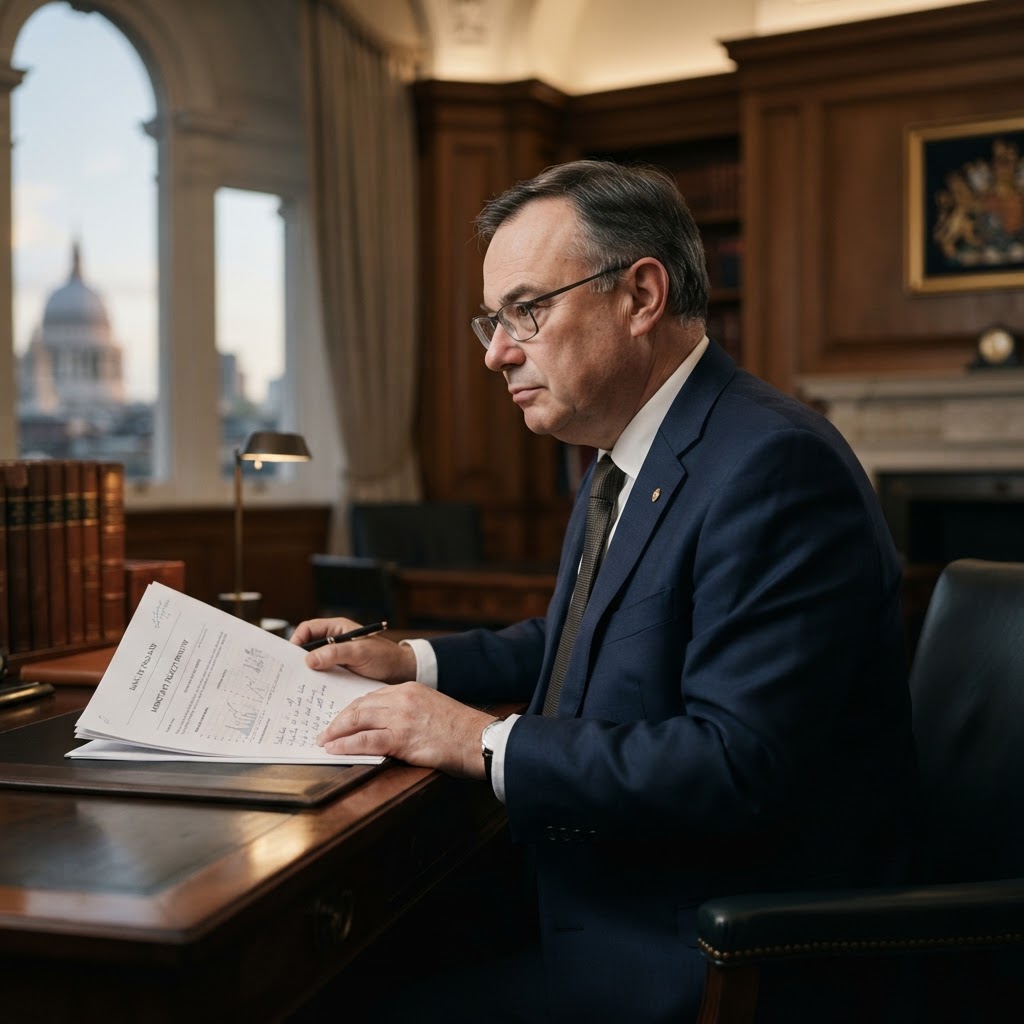
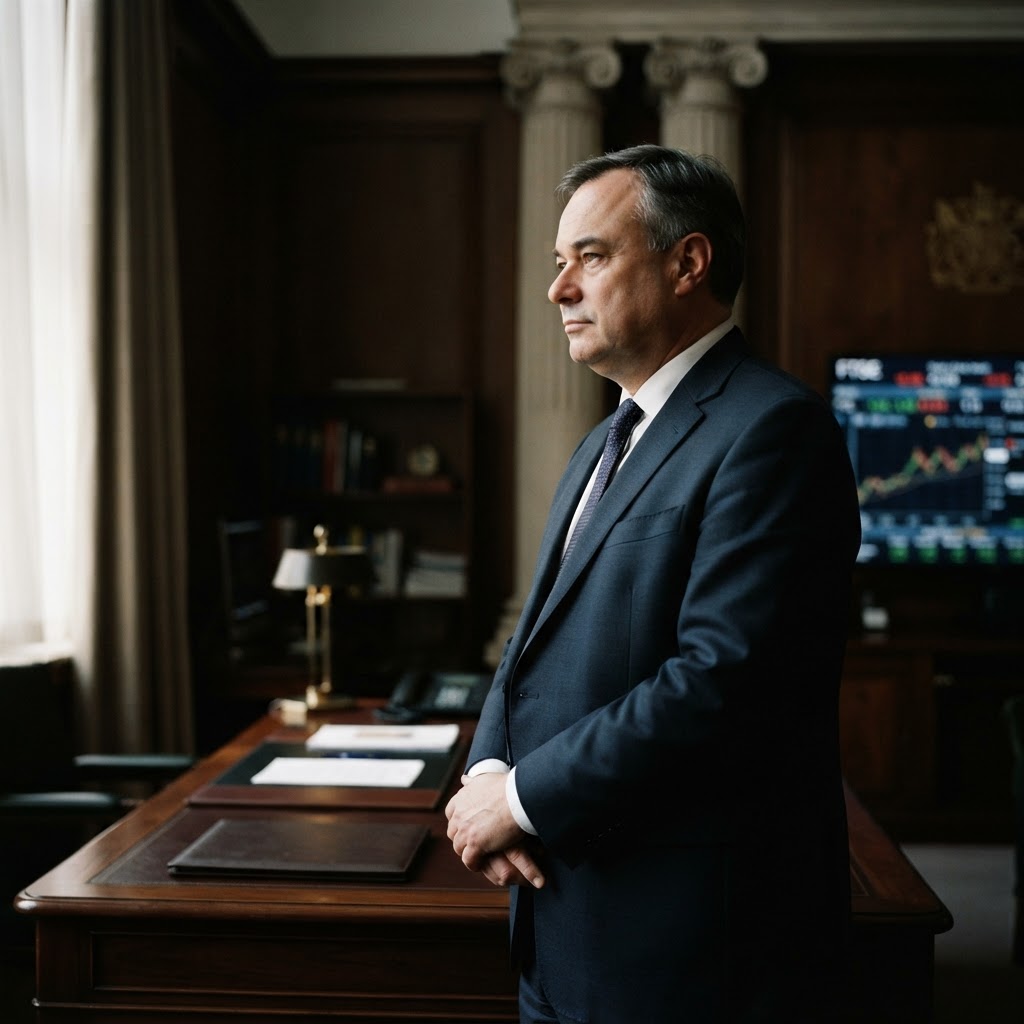
The Path of Escalating Costs The Monetary Policy Committee (MPC) at the Bank of England has formalised its intent to suppress resurgent inflation, voting 8-1 on 5 November to lift the Bank Rate to 4 per cent from 3.75 per cent. This decisive intervention marks a significant shift in the Bank’s posture, representing the first upward movement in borrowing costs since 2023. The decision comes as Threadneedle Street grapples with the fallout of the Iran conflict, which has injected fresh volatility into global energy markets and forced policymakers to prioritise price stability over short-term growth.
Governor Andrew Bailey, addressing the press following the announcement, made no attempt to veil the difficulty of the current environment. By explicitly signalling that at least one further increase is likely in the coming months, the Bank has signalled that the era of 'wait and see' has concluded. The message to the market is clear: the inflationary pressure is deemed too persistent to ignore, and the Bank is prepared to exert further pressure on the economy to return inflation to its target.
The Shadow Over the Housing Market As borrowing costs rise, the structural fragility of the UK housing market has moved to the centre of the economic debate. Recent data suggests a cooling in both transaction volumes and property price appreciation, reflecting the delayed impact of previous policy tightening. Mortgage lenders have already begun to reprice their offerings in anticipation of the 4 per cent base rate, creating a more challenging environment for both first-time buyers and those seeking to remortgage.
For millions of homeowners, the shift from historically low rates to a 4 per cent baseline represents a profound change in monthly outgoings. Economists fear that the cumulative effect of these hikes will squeeze consumer balance sheets to the point where discretionary spending begins to contract sharply. With household energy bills remaining elevated due to the ongoing geopolitical tensions, the buffer for many families is shrinking rapidly, raising the prospect of a more pronounced slowdown in domestic consumption.
Anticipation Builds for GDP Figures The financial markets, now adjusting to this hawkish turn, are currently in a state of watchful suspension. All eyes are now fixed on the upcoming GDP growth figures, due for release on 12 November. These data points will serve as the first comprehensive diagnostic of the British economy’s resilience in the face of the Bank’s restrictive regime. Analysts will be searching for evidence of 'stagflationary' dynamics—the toxic combination of stagnating growth and rising prices—that could force the Bank of England to reassess its strategy in the New Year.
Institutional investors remain cautious, with many hedge funds and asset managers recalibrating their portfolios to account for a 'higher-for-longer' interest rate environment. The gilt market, traditionally a bellwether for sovereign debt appetite, has experienced significant fluctuations in the days following the decision. While the MPC’s solitary dissenter favoured a pause, the overwhelming majority view suggests that the central bank remains committed to a policy of austerity until the primary drivers of energy-led inflation show signs of structural abatement.
“The message to the market is clear: the inflationary pressure is deemed too persistent to ignore, and the Bank is prepared to exert further pressure on the economy to return inflation to its target.”