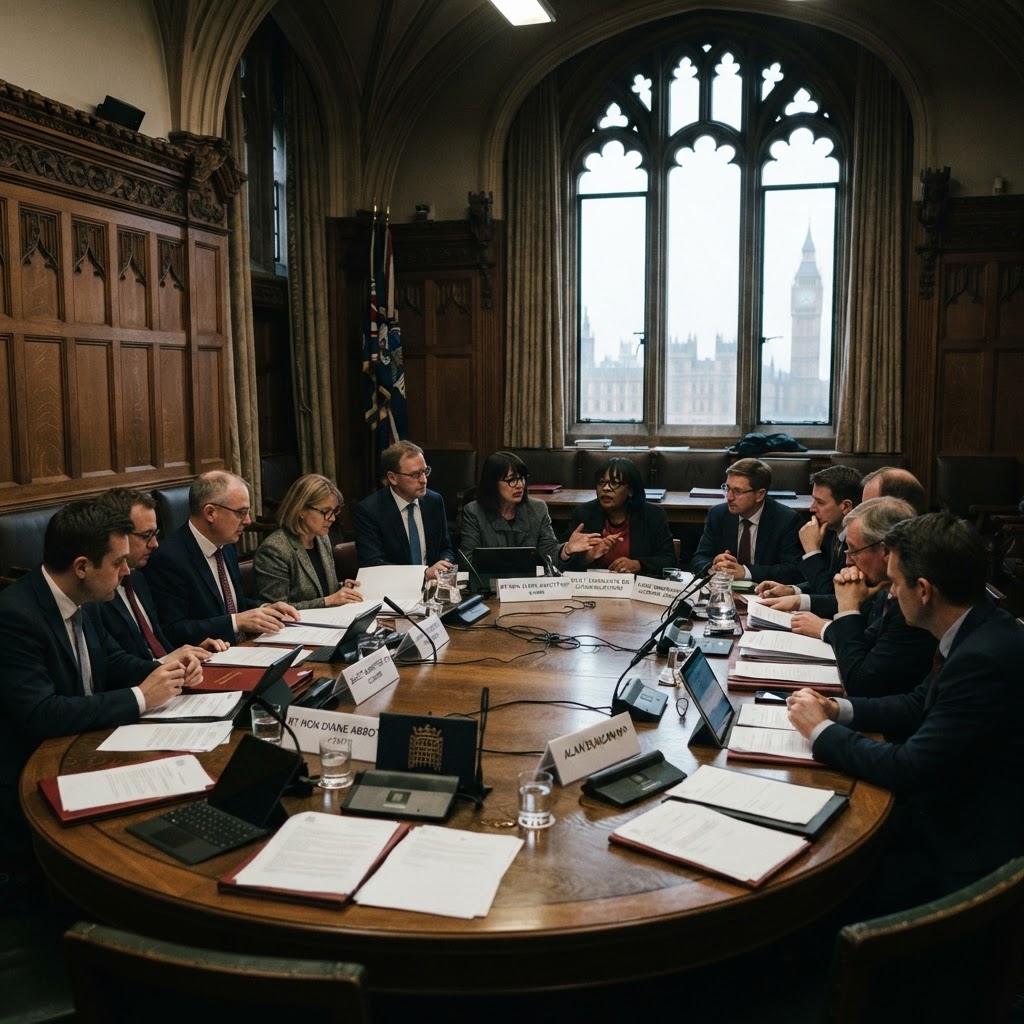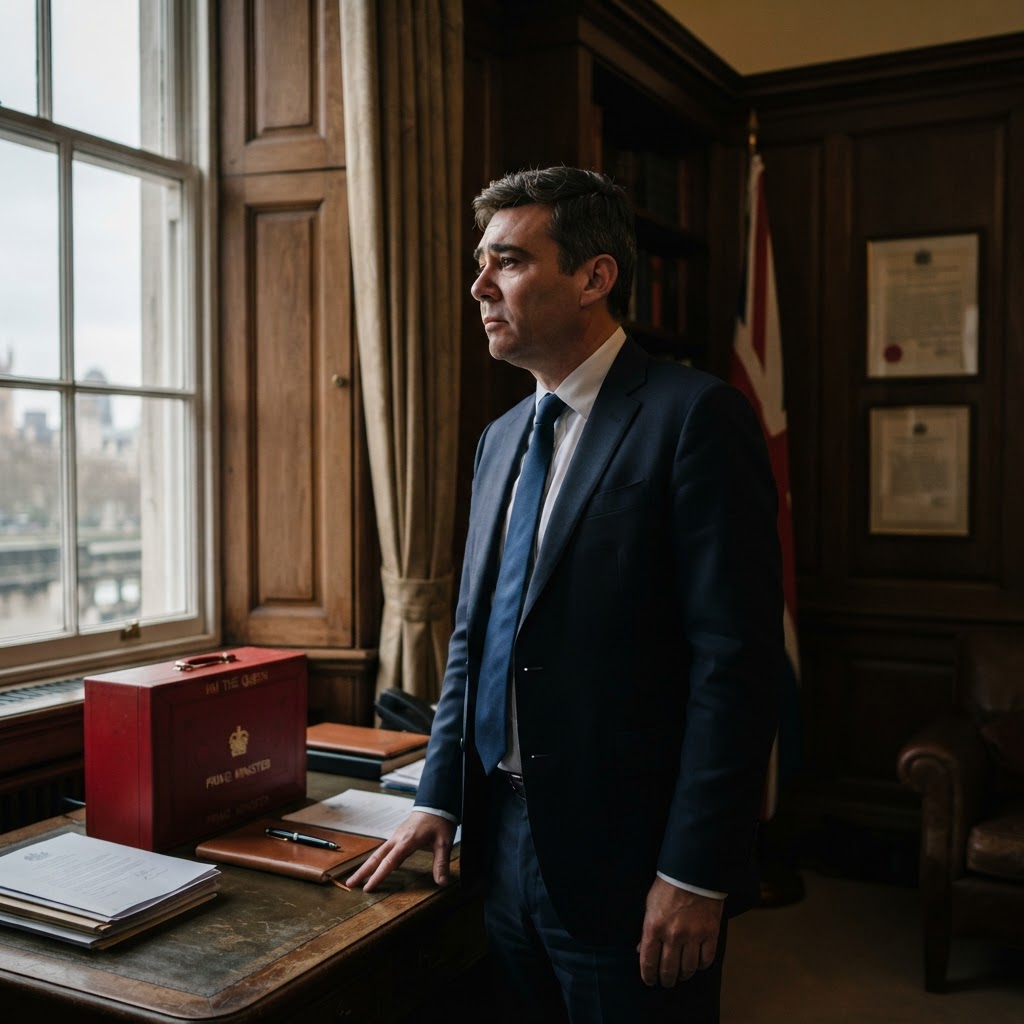
Burnham’s Brexit Reset Faces Stagnation Amid Brussels Tariff Pressure
The Prime Minister’s diplomatic push to secure a new trade settlement has hit a significant roadblock. Brussels is demanding alignment on Chinese car tariffs, threatening to complicate an already fragile economic landscape.
RS
Rachel Simmons
Business Editor
Published 11 October 2026·about 21 hours ago 3 min read
Text
TopicsPoliticsBrexitTradeAndy BurnhamEuropean UnionUK Economy
About the Author
RS
Rachel Simmons
Business Editor
Rachel Simmons reports for National Post UK with a focus on rigorous analysis and authoritative journalism — a trusted voice across British public life.
Reader Discussion · 6
Subscribers can join the conversation.
SUBSCRIBE TO COMMENT →G
Geoffrey Hedges11 Oct
Diplomacy is a slow game, and I think we need to give this administration more than a few months to make headway. Rome wasn't built in a day, and neither is a post-Brexit trade framework.
M
Marcus Vane11 Oct
Brussels knows we have no leverage, so why would they grant us any concessions? This reset is just rearranging deckchairs on the Titanic.
E
Eleanor Rigby11 Oct
The electorate voted for a change in tone, which Burnham has provided, but tone doesn't pay the bills. Without concrete movement on regulatory alignment, these trade hurdles will keep stifling growth.
D
David Thorne11 Oct
Stagnation is exactly the right word. My manufacturing firm is still facing the same customs delays we had under the previous government. Nothing has changed on the ground.
S
Sarah Jenkins11 Oct
I am actually hopeful that Burnham is at least trying to repair the damage. Business certainty is what we need most right now, regardless of the political posturing.
A
Arthur Penhaligon11 Oct
It was always going to be a pipe dream to think Brussels would simply roll over just because we have a new face in Downing Street. The structural issues remain exactly where they were three years ago.