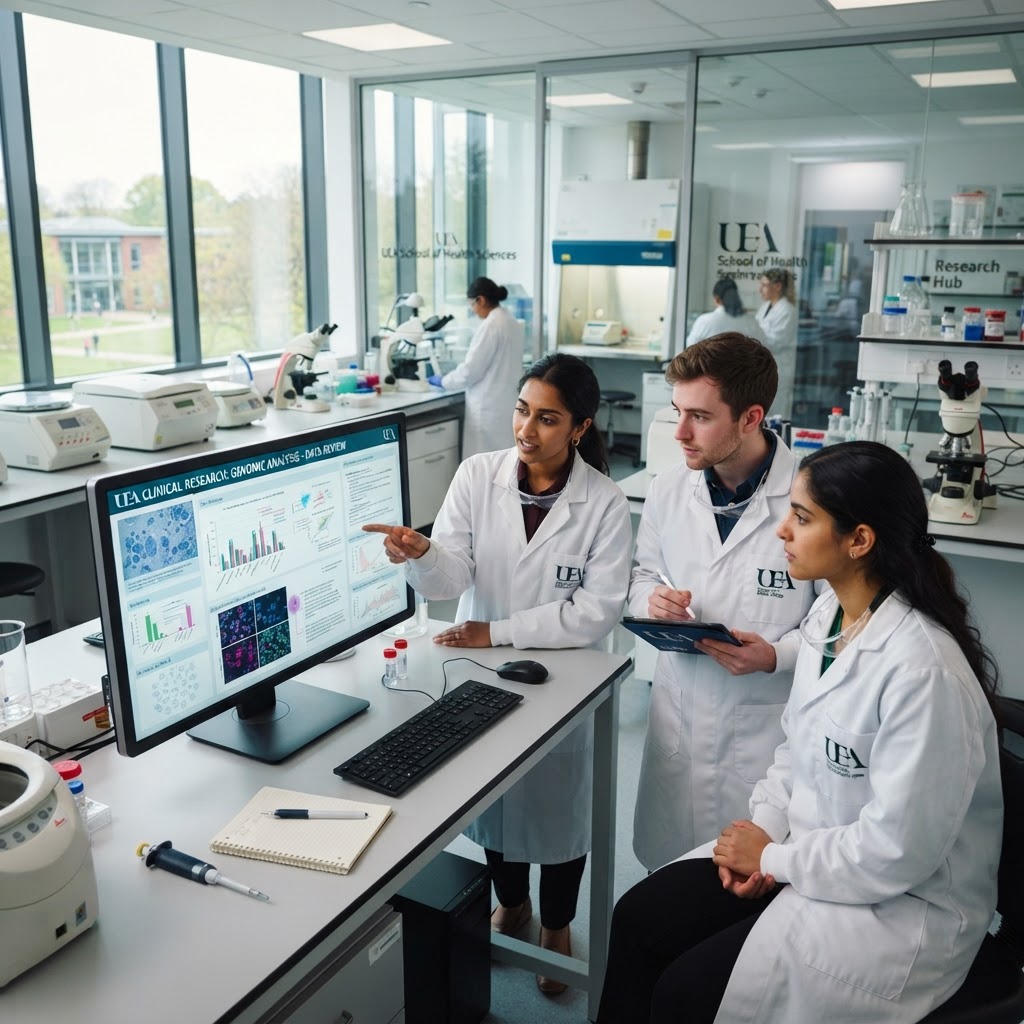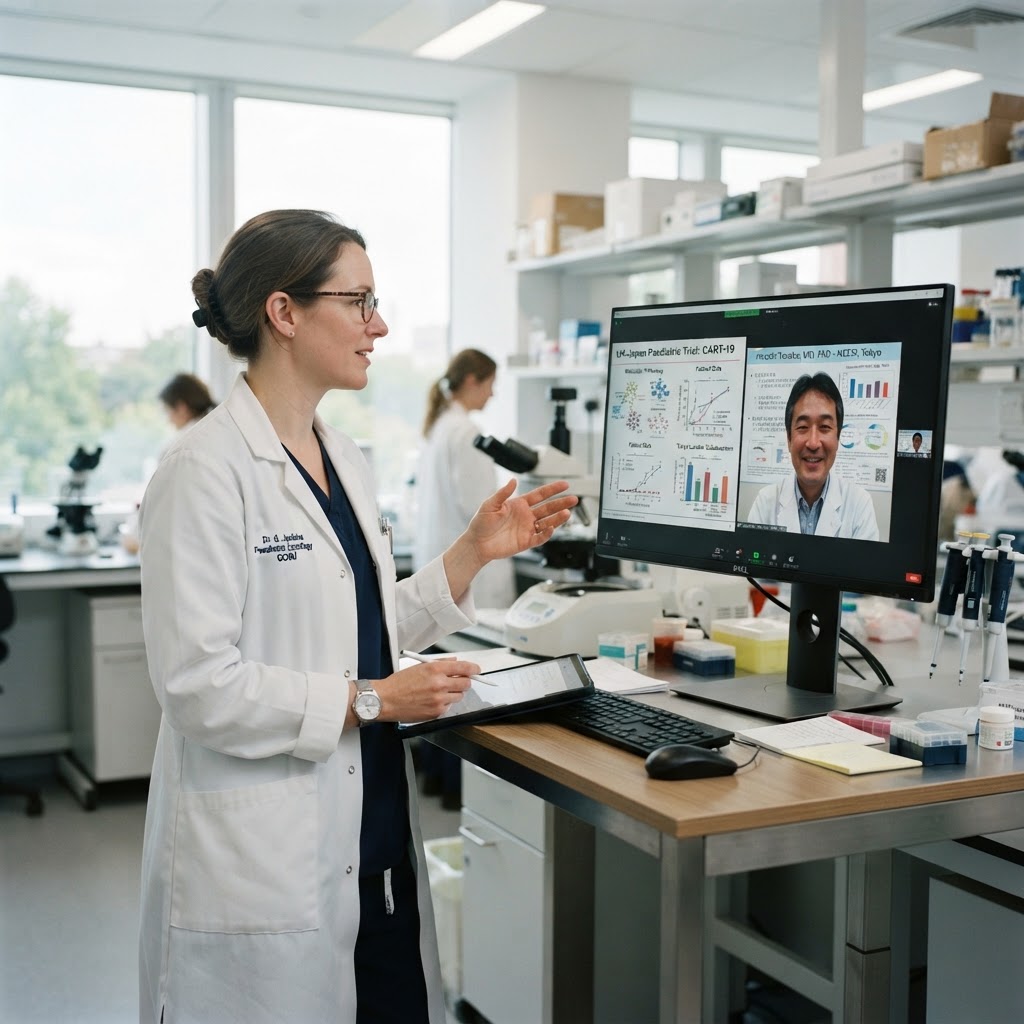
A Trans-Pacific Endeavour for Young Lives In a significant development for global oncology, the United Kingdom and Japan have announced a formal partnership designed to accelerate clinical trials for childhood and young adult cancers. This collaboration, which draws on the world-leading research infrastructures of both nations, represents a strategic pivot toward international cooperation to address cancers that have historically remained difficult to treat. The initiative, orchestrated by the National Institute for Health and Care Research (NIHR) and the Japan Agency for Medical Research and Development (AMED), follows months of diplomatic and scientific exchange that culminated in a successful symposium in Tokyo earlier this year.
Bridging the Research Gap Despite significant advancements in adult oncology over the past decade, paediatric cancer treatments have often lagged, hindered by the rarity of individual cancer types and the inherent difficulties of conducting trials in younger populations. By pooling resources, the UK and Japan intend to overcome these barriers. The focus is specifically on rare and high-risk conditions where standard care options have proven inadequate. By synchronising data and regulatory pathways, the partnership aims to reduce the time required to bring novel therapeutic interventions from the laboratory to the bedside.
Governmental Commitment and Scientific Ambition The UK Department of Health and Social Care has signalled its long-term commitment to the venture with an initial investment of £2 million. This funding is earmarked for UK-based research activities, intended to bolster the infrastructure necessary to participate in high-complexity global trials. For clinicians in the National Health Service, this provides an unprecedented opportunity to share methodologies with their Japanese counterparts, who are renowned for their meticulous clinical data collection and early-phase trial execution.
Dr. Helen Moore, Health Correspondent, notes that the collaboration is not merely a funding exercise but a structural shift in how rare diseases are approached on a global scale. As both nations face the challenge of ageing populations and rising health costs, the strategic prioritisation of paediatric care underscores a moral and scientific imperative to protect the health of future generations.
The Road Ahead While the £2 million allocation is a modest starting point, experts suggest that the true value of the partnership lies in the harmonisation of standards. The complexity of running international clinical trials—ranging from legal compliance to the standardisation of patient diagnostics—is immense. However, the collaborative framework established between the NIHR and AMED creates a template that could eventually be expanded to include other international partners. The objective is to create a seamless research ecosystem where a patient in London or Tokyo can benefit from the same cutting-edge innovations simultaneously.
Clinical leads are expected to outline the initial cohort of trials by the end of 2027, with a focus on targeted therapies that minimise the long-term side effects typically associated with conventional chemotherapy and radiotherapy. For thousands of families, this partnership offers a renewed sense of hope that scientific ingenuity will finally catch up to the most pressing needs of paediatric medicine.