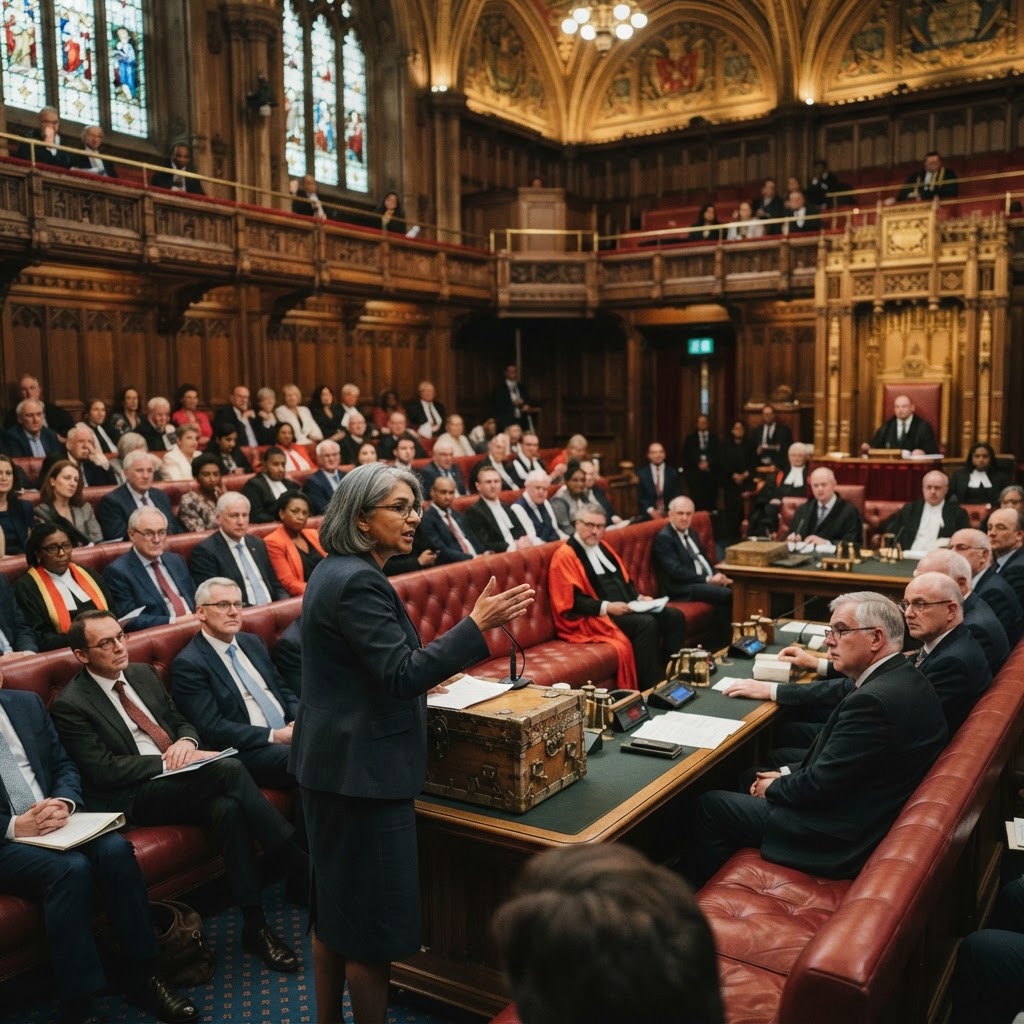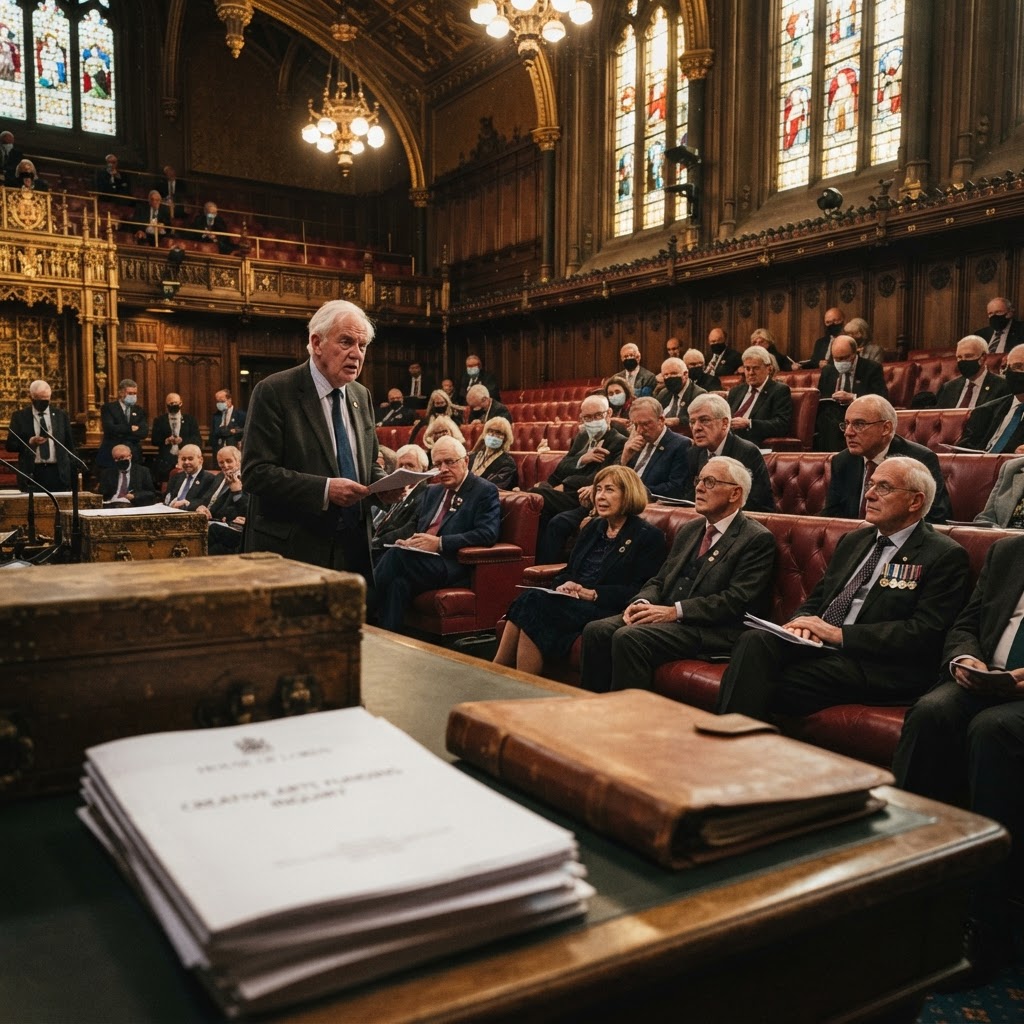
A Crisis of Culture and Credibility The hallowed chambers of the House of Lords were the site of a spirited and urgent examination on 11 September 2026, as cross-party peers confronted the government over the narrowing scope of higher education funding. At the heart of the debate lies a growing apprehension that the current administration’s fiscal tightening, particularly in the creative arts, risks long-term damage to the nation’s soft power and economic vitality.
Lord Sterling of Plaistow, who led the challenge, articulated the frustrations felt by many within the academic sector. For years, the UK has prided itself on being a premier destination for creative thought, yet the recent withdrawal of subsidies for arts-focused departments suggests a shift in priorities that many believe to be short-sighted. The debate serves as a sharp reminder that when we measure education solely by immediate vocational outputs, we inevitably lose the broader intellectual tapestry that sustains the creative industries.
The Broader Fiscal Landscape While the focus remained firmly on the arts, the parliamentary session was emblematic of a wider malaise affecting the current government’s administration. Peers were not content to restrict their inquiry to educational policy, pushing Ministers for greater transparency regarding the ballooning maintenance costs associated with No. 10 North, an issue that has become a lightning rod for criticism regarding the government’s internal budgetary oversight. Furthermore, the persistent crisis in NHS staffing levels provided a sobering backdrop, as members underscored the difficulty of managing national infrastructure while simultaneously pruning back the institutions that cultivate the next generation of professionals.
Compounding this workload, a specialist sub-committee also formally launched its inquiry into the Draft Finance Bill 2026–27 on the same day. This intersection of educational funding, public sector wage reform, and tax legislation points to an autumn of intense scrutiny for a government currently navigating thin margins of political support.
The Case for Creative Investment Academic leaders have warned that the attrition of creative arts departments is not merely an aesthetic or cultural tragedy; it is an economic failure. The creative sector currently contributes billions to the UK economy, yet the current funding model seems predicated on the fallacy that arts education is a luxury. Professor Eleanor Rigby, a consultant on education policy, noted that 'the atrophy of humanities and arts faculties creates a skills vacuum in design, media, and technology, fields which rely heavily on the critical thinking cultivated by the very courses now under threat.'
As the debate moves from the Lords to the wider public discourse, the pressure on the Department for Education will only intensify. The government is expected to issue a formal response in the coming weeks, but for many, the damage to the reputation of the UK’s university sector may take years to reverse.
“The systematic defunding of our creative faculties is a false economy that threatens to hollow out the cultural intelligence of our nation for generations to come.”