Vertiv’s $1.45 Billion Power Play Aims to Unshackle Britain’s AI Ambitions
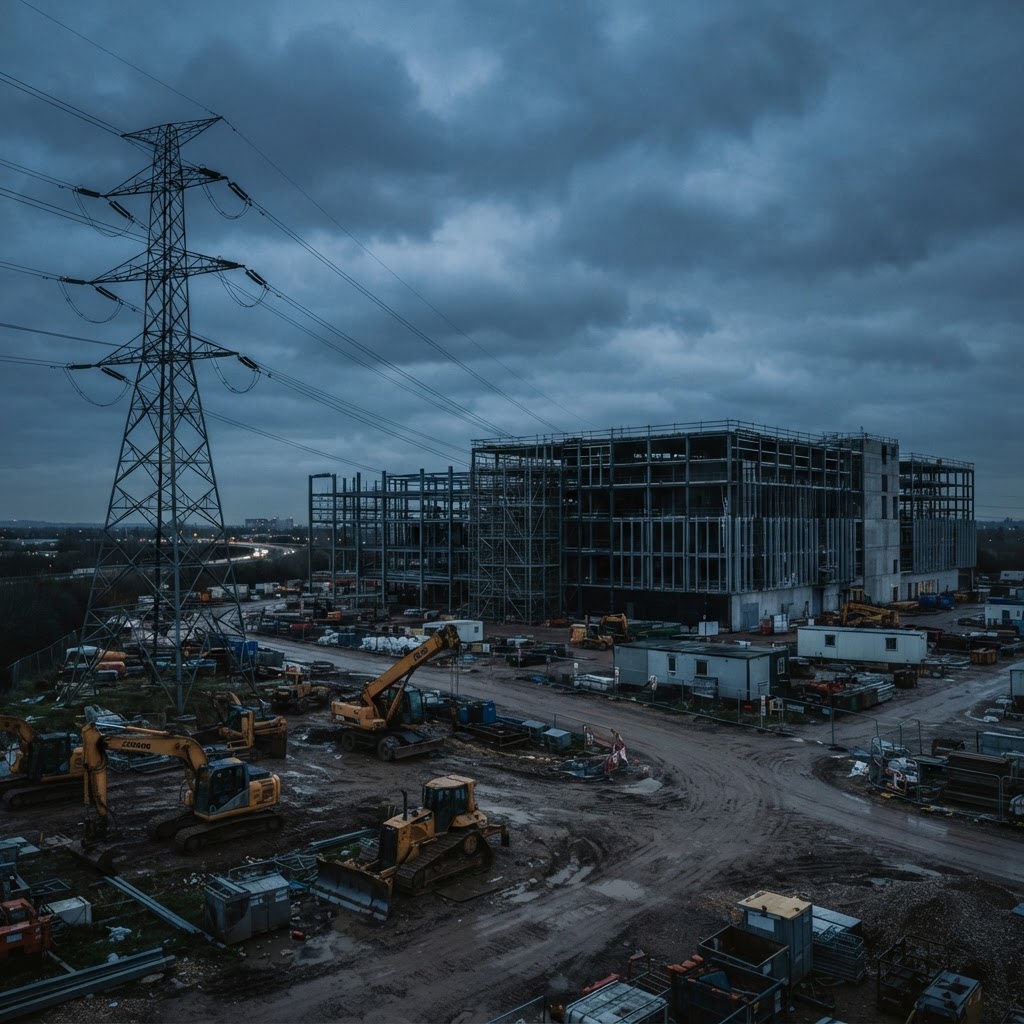
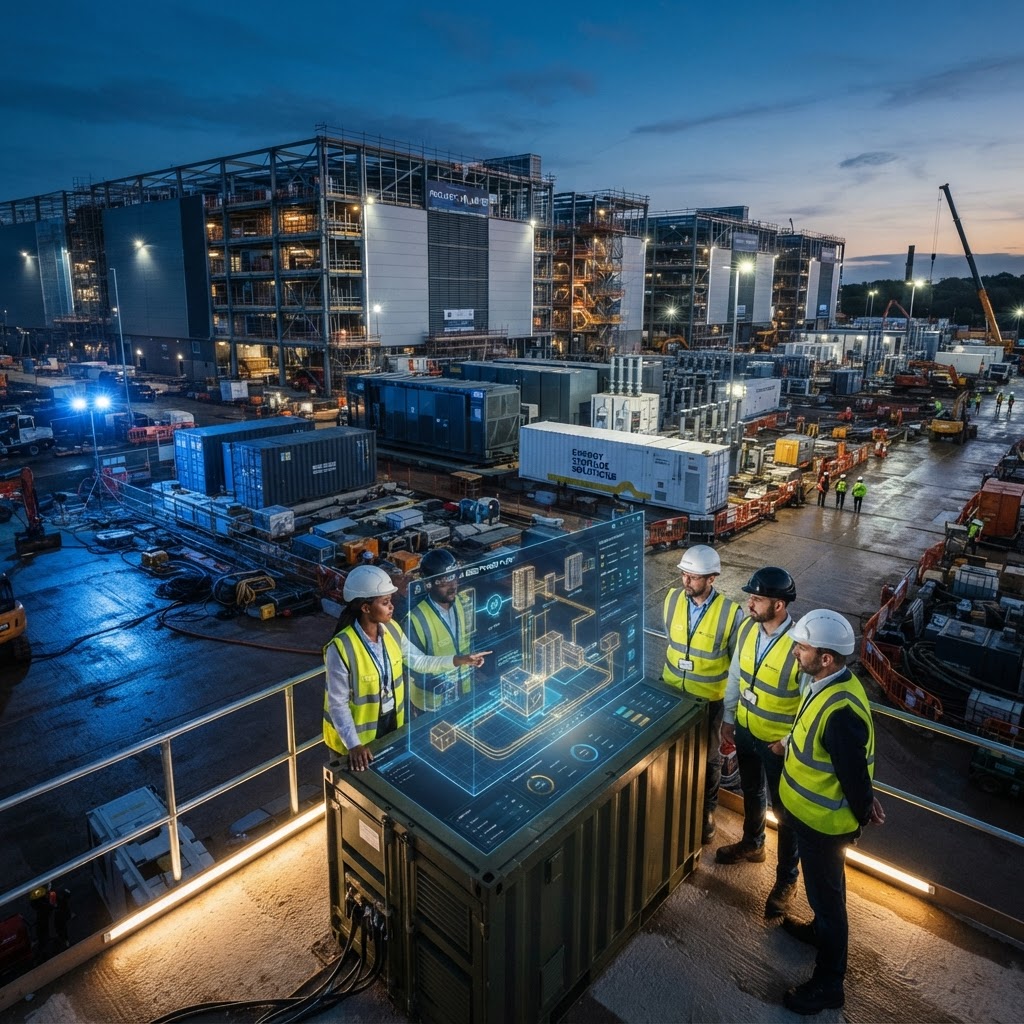
As grid constraints threaten to derail the UK’s digital industrial strategy, Vertiv’s acquisition of UtilityInnovation Group signals a pivot toward autonomous, onsite power infrastructure. This move reflects a growing global recognition that the traditional energy grid is struggling to keep pace with the voracious appetites of artificial intelligence.
JM
Jack Morrison
Technology Editor
Published 29 September 2026·2 days ago 3 min read
Text
TopicsData CentresArtificial IntelligenceEnergy InfrastructureVertivTechnologyUK Business
About the Author
JM
Jack Morrison
Technology Editor
Jack Morrison reports for National Post UK with a focus on rigorous analysis and authoritative journalism — a trusted voice across British public life.
Reader Discussion · 4
Subscribers can join the conversation.
SUBSCRIBE TO COMMENT →F
Fiona Clarke29 Sept
I live near a proposed data centre site and the noise pollution is a genuine concern for local residents. It feels like the government is prioritising AI industry growth over the quality of life for the people living nearby.
R
Robert H. Thompson29 Sept
Vertiv’s involvement is a logical move given their expertise in thermal management and power systems. However, the real issue remains the planning permission process for new substations, which can drag on for years.
S
Sarah Jenkins29 Sept
I am worried about where this power is actually going to come from. We are constantly being told to lower our domestic consumption, yet we are happy to hook up massive data centres that guzzle electricity.
J
James Sterling29 Sept
It is about time we saw some serious investment in our energy infrastructure. If we want to stay competitive with the US and China, we simply cannot keep stalling on grid capacity.