National Post UK
Maritime Security Crisis Deepens as Vessels Founder in Hormuz Chokepoint

The sinking of two container ships near the Strait of Hormuz has triggered a major international security alert. Tehran

The National Post

HomeWorld
World

Maritime Security Crisis Deepens as Vessels Founder in Hormuz Chokepoint

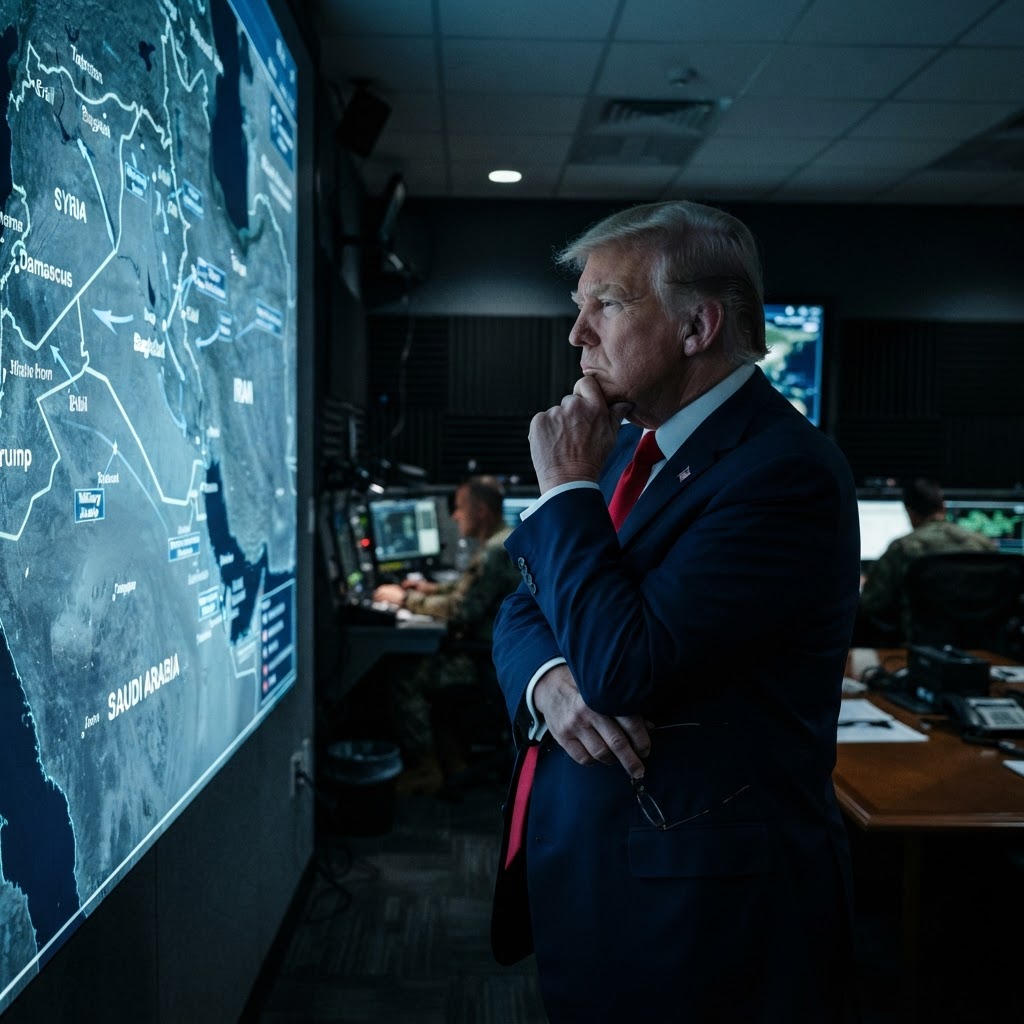
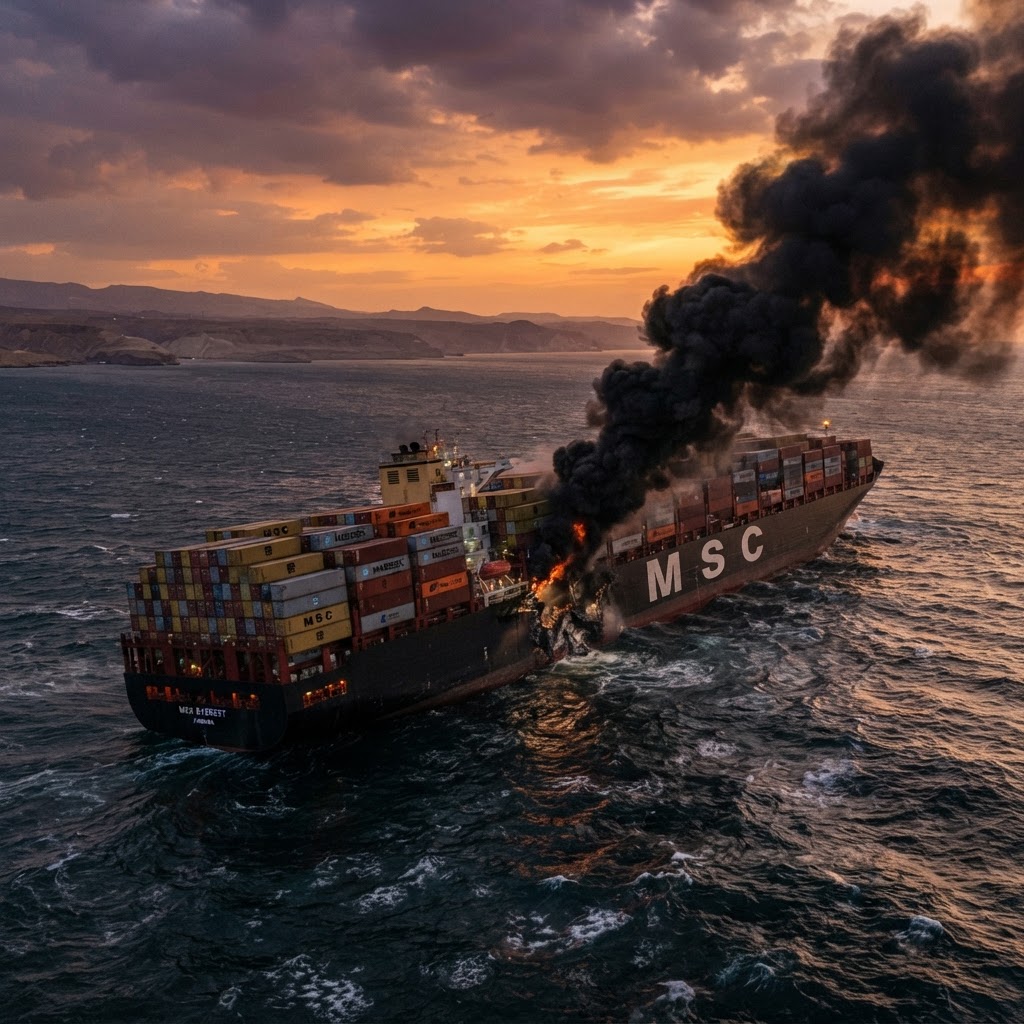
The sinking of two container ships near the Strait of Hormuz has triggered a major international security alert. Tehran remains defiant, insisting that its campaign of maritime disruption will persist until Washington yields to its strategic demands.

RB

Richard Baxter

Foreign Correspondent

Published 15 October 2026·2 days ago 3 min read
Text
Share

A Critical Arterial Failure The global shipping industry is facing its most significant disruption in a generation following reports that two container vessels have foundered in the volatile waters surrounding the Strait of Hormuz. The incident, which occurred in the early hours of Wednesday morning, follows a sustained uptick in hostilities that have transformed this vital maritime artery—through which a significant portion of the world's liquified natural gas and petroleum transit—into a theatre of geopolitical brinkmanship.

The Shadow of Iranian Aggression For weeks, intelligence analysts in London and Washington have observed a marked escalation in activity by forces aligned with the Islamic Revolutionary Guard Corps. These latest sinkings are being widely interpreted by maritime security experts as a calculated intensification of a campaign designed to extract concessions from the United States. Tehran has been unequivocal in its rhetoric, publicly reiterating its vow to maintain its aggressive posture until its core demands are addressed. The Iranian leadership describes the current maritime blockade as a legitimate response to ongoing Western economic policies, yet the implications for the international community are profound and deeply destabilising.

A Fragile Global Supply Chain The Strait of Hormuz is not merely a geographic feature; it is the jugular vein of the global energy market. The inability of commercial traffic to transit safely through these waters threatens to send tremors through the energy sectors of European nations, including the United Kingdom, where concerns regarding domestic fuel security are already acute. Downing Street is understood to be coordinating closely with NATO allies to assess the necessity of a reinforced naval presence in the Persian Gulf. Sir Julian Thorne, a former Royal Navy strategist, noted that the current situation represents a departure from traditional state-on-state friction, suggesting that the use of asymmetric naval tactics to target commercial infrastructure introduces a dangerous new variable into the security calculus.

The Diplomatic Conundrum Diplomatic channels are currently operating under extreme pressure. While Western envoys attempt to de-escalate the situation through back-channel negotiations, the lack of transparency from Tehran remains the primary obstacle to any meaningful resolution. There is a palpable sense of anxiety within the shipping insurance sector, as premiums for vessels traversing the region have spiked to historic highs. This, in turn, risks triggering a fresh wave of inflationary pressure on consumer goods as supply chains are forced to reconsider longer, more expensive routes to circumvent the blockage. The international community now faces a stark choice: to bolster enforcement mechanisms through expanded naval escorts, or to risk the total paralysis of one of the world's most critical economic corridors.

TopicsStrait of HormuzIranMiddle EastInternational SecurityMaritime LawShipping
Share

About the Author

RB

Richard Baxter

Foreign Correspondent

Richard Baxter reports for National Post UK with a focus on rigorous analysis and authoritative journalism — a trusted voice across British public life.

Reader Discussion · 6

Subscribers can join the conversation.

SUBSCRIBE TO COMMENT →
G
Graham Fletcher15 Oct

I have spent forty years in the merchant navy and have navigated that strait many times. It is a notoriously difficult passage even in perfect conditions, so this was sadly inevitable sooner or later.

M
Michael Sterling15 Oct

Perhaps it is time we invested more in domestic energy production rather than remaining so dependent on shipping routes that are clearly indefensible in the current climate. Lessons must be learned.

E
Eleanor Rigby15 Oct

It seems like we have been sleepwalking into this crisis for years. We rely so heavily on these chokepoints that it was only a matter of time before something like this brought global trade to a grinding halt.

D
David Thorne15 Oct

I am not convinced this is just a navigation error or weather-related as some initial reports suggest. The geopolitical implications in the Strait are far too sensitive to be taken at face value.

S
Sarah Jenkins15 Oct

My husband works for a shipping firm based in Felixstowe and the mood in the office is incredibly tense today. We are looking at significant delays for goods arriving in the UK, and frankly, I am quite worried about the economic fallout.

A
Arthur Penhaligon15 Oct

This is going to have a catastrophic effect on fuel prices at the pump by the end of the month. The government needs to stop posturing and start securing the supply chain properly.

More from World

Most Read in World

Morning Briefing

The day's top stories, before 7am

Join 40,000 readers who start their morning with National Post UK.