National Post UK
Deadly Strike on Palmyra Marks Sharp Escalation in Levantine Conflict

The ancient Syrian city has become the latest flashpoint as regional hostilities intensify. Local authorities confirm at

The National Post

HomeWorld
World

Deadly Strike on Palmyra Marks Sharp Escalation in Levantine Conflict

The ancient Syrian city has become the latest flashpoint as regional hostilities intensify. Local authorities confirm at least 36 fatalities following a significant aerial operation.

RB

Richard Baxter

Foreign Correspondent

Published 30 September 2026·1 day ago 3 min read
Text
Share

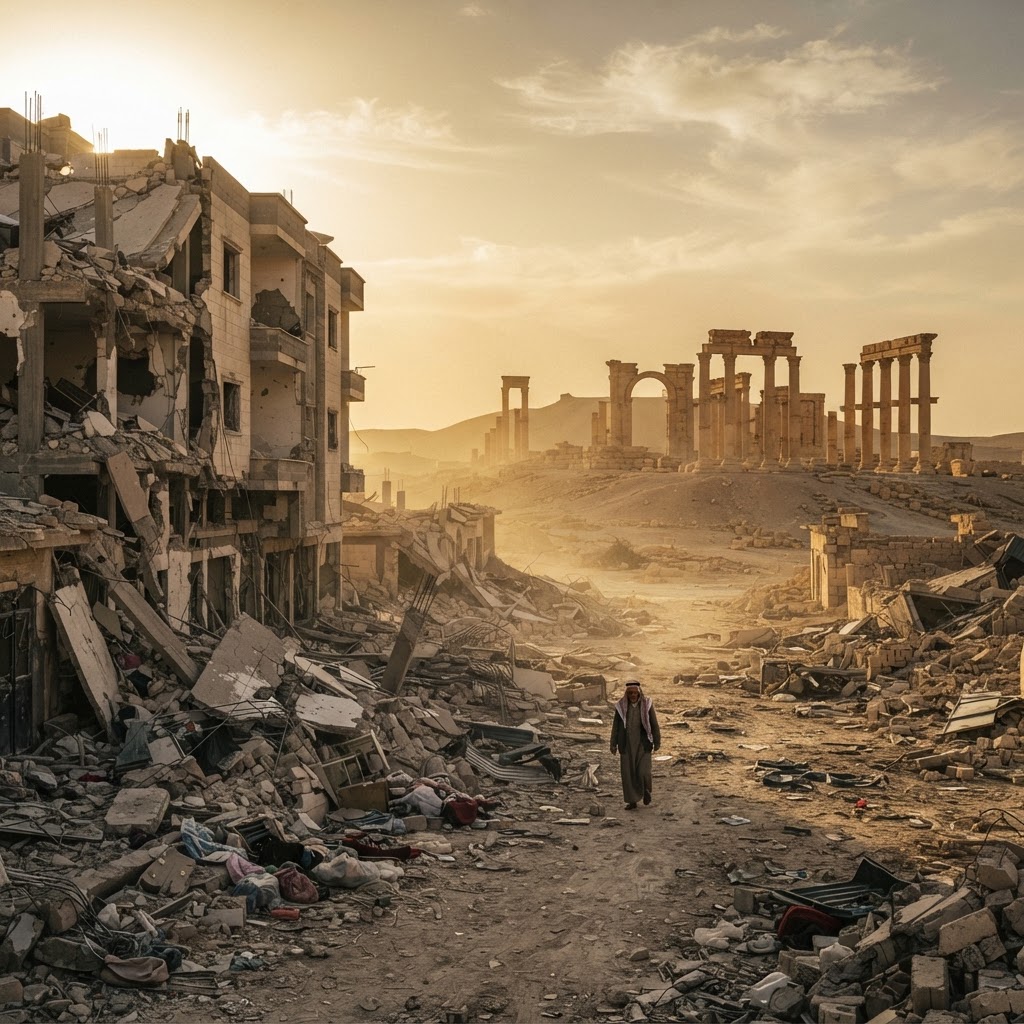
An Ancient Landmark Under Fire The historic desert oasis of Palmyra, a site renowned for its Greco-Roman ruins and UNESCO World Heritage status, found itself at the epicentre of the regional conflagration on Wednesday. Syrian state media, citing military sources, reported that a series of targeted Israeli air strikes decimated structures within the city, resulting in 36 confirmed deaths and dozens of casualties. While the immediate tactical objectives of the operation remain subject to varying interpretations, the sheer scale of the incident underscores a profound shift in the theatre of operations that has defined the Levant for years.

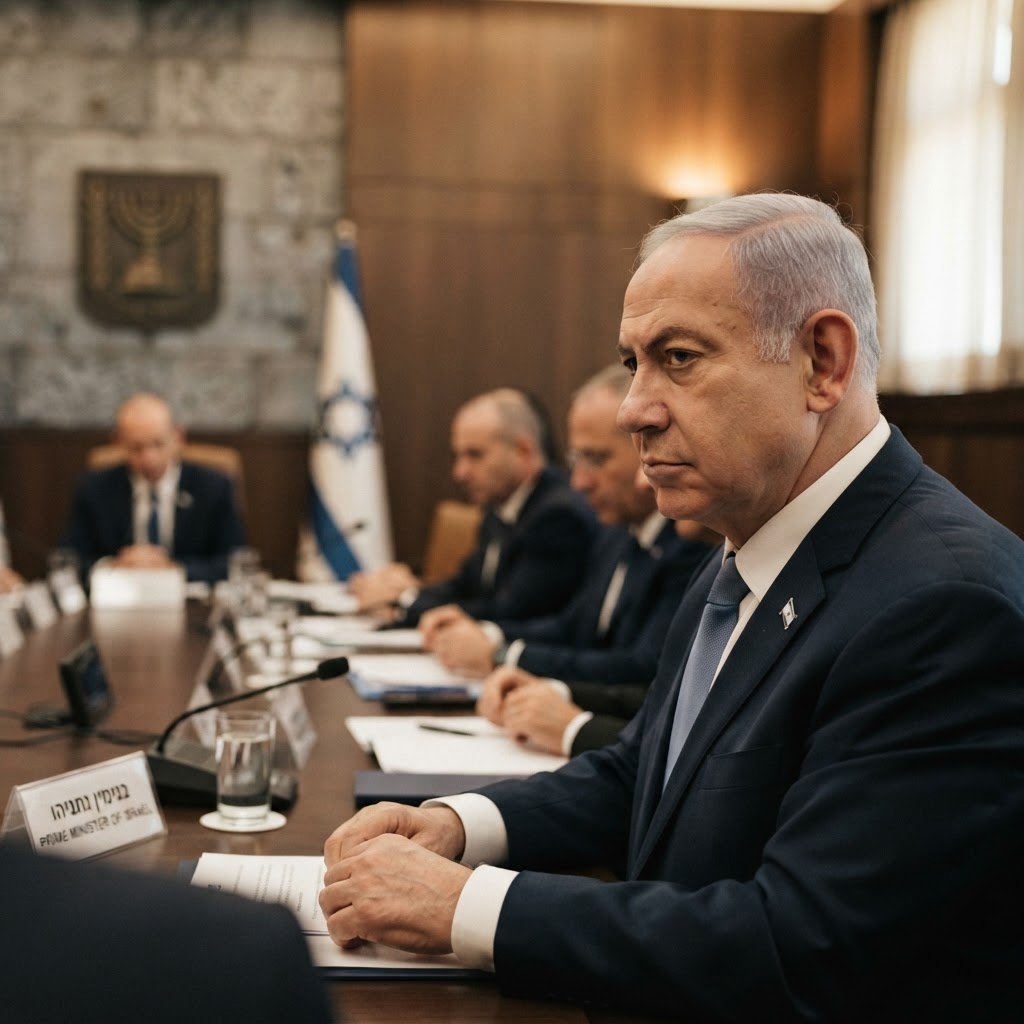
Tactical Shifts and Regional Implications This strike arrives amidst a heightened state of alert across the Middle East. For Whitehall and Western intelligence agencies monitoring the situation, the proximity of the strike to such culturally sensitive infrastructure presents a complex diplomatic challenge. Foreign Office analysts have long warned that the blurring of lines between entrenched insurgent hubs and civilian-adjacent areas within Syria risks catastrophic humanitarian outcomes. The Israeli military, which maintains a policy of neither confirming nor denying specific operations in Syrian territory, has historically maintained that its primary objective is the neutralisation of logistics networks utilised by state-aligned militias.

The Geopolitical Calculus The human toll reported on November 20, 2026, serves as a sobering reminder of the volatility currently gripping the region. Dr. Alistair Finch, a senior fellow at the Royal United Services Institute, notes that the use of precision munitions in densely populated zones suggests a departure from previous tactical restraint. The risk, he suggests, lies in the potential for unintended spillover that could draw wider regional actors into a direct, and potentially uncontrollable, confrontation. As the conflict matures into this new phase, the ability of international mediators to foster de-escalation appears increasingly hampered by the hardening of strategic positions on both sides.

Humanitarian and Cultural Concerns Beyond the immediate loss of life, the strike has reignited fears regarding the preservation of antiquities in the region. Palmyra has endured significant trauma over the past decade, having been reclaimed from various forces at great cost. Archaeologists in London and beyond have expressed grave concern that the militarisation of the surrounding area places one of history's greatest repositories of human heritage at irreparable risk. The international community now faces a dual challenge: addressing the urgent humanitarian needs of the survivors while attempting to prevent further degradation of a site that represents a shared global narrative.

The Road Ahead As the sun sets over the Syrian desert, the aftermath of this latest engagement will likely precipitate a flurry of diplomatic activity in the United Nations Security Council. Whether these events act as a catalyst for a broader peace process or merely accelerate the spiral of hostilities remains the central question for policymakers in London, Washington, and Tehran. For the residents of Palmyra, however, the geopolitical manoeuvrings are secondary to the grim reality of a conflict that continues to claim victims in the heart of their ancient home.

TopicsSyriaPalmyraIsraelMiddle EastForeign AffairsDefence
Share

About the Author

RB

Richard Baxter

Foreign Correspondent

Richard Baxter reports for National Post UK with a focus on rigorous analysis and authoritative journalism — a trusted voice across British public life.

Reader Discussion · 6

Subscribers can join the conversation.

SUBSCRIBE TO COMMENT →
J
James H. Miller30 Sept

While the loss of antiquities is a tragedy, we must remember that it is the people living in these regions who are suffering the most. The focus of our coverage should remain on the humanitarian toll of this escalation.

M
Marcus Sterling30 Sept

This is an inevitable escalation given the shifting alliances we have seen over the past year. It is high time the international community took a more decisive role rather than just issuing hollow statements.

E
Eleanor Rigby30 Sept

We should be very cautious about accepting reports from state media sources at face value. There is always a narrative being pushed, and we rarely get the full picture of what is actually happening on the ground.

D
David Thorne30 Sept

Having visited Palmyra back in the nineties, this news is genuinely distressing. You cannot simply rebuild that level of cultural heritage once it has been razed to the ground by airstrikes.

S
Sarah Jenkins30 Sept

I am struggling to see how this strike serves any genuine strategic purpose other than further destabilising the area. We seem to be sleepwalking into a much wider conflict with no clear endgame in sight.

A
Arthur Penhaligon30 Sept

It is absolutely heartbreaking to see such history being destroyed by modern warfare. These ruins have survived for millennia only to be caught in the middle of senseless regional politics.

More from World

Most Read in World

Morning Briefing

The day's top stories, before 7am

Join 40,000 readers who start their morning with National Post UK.