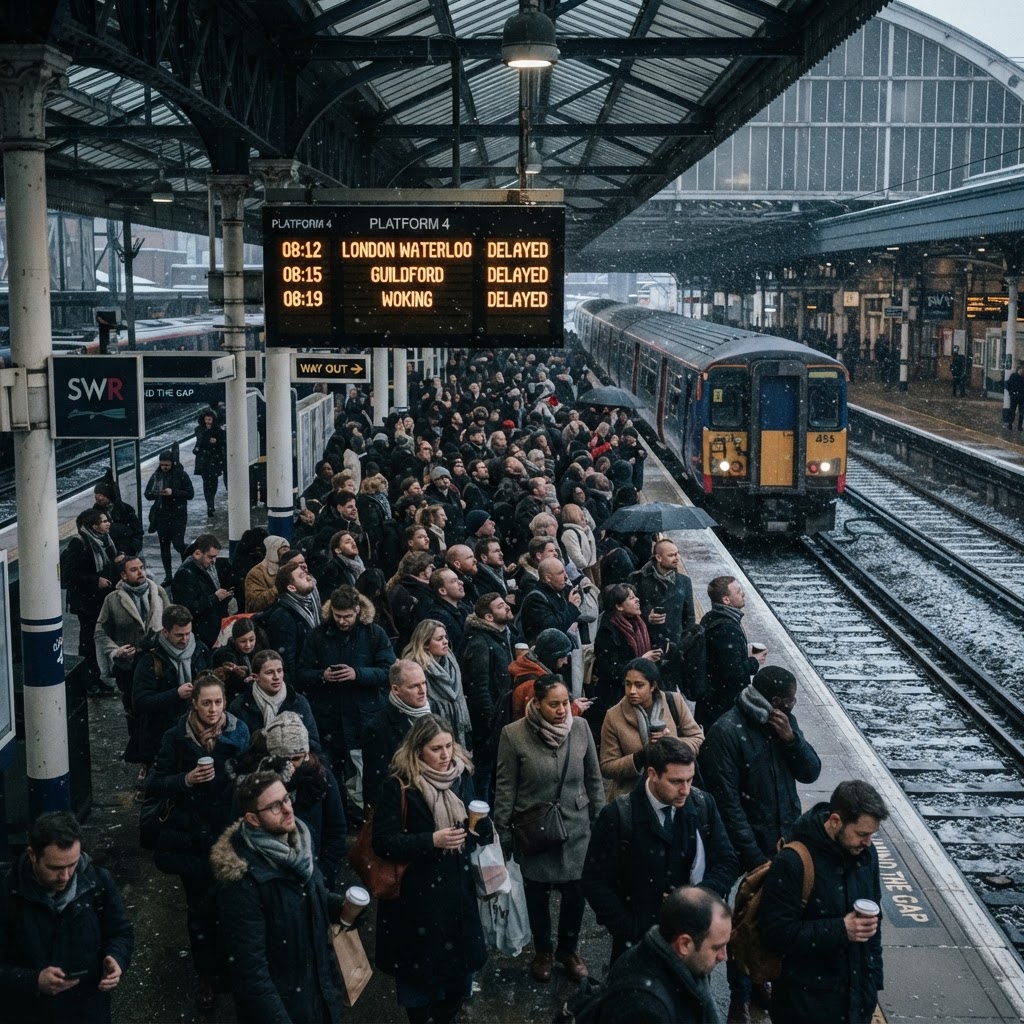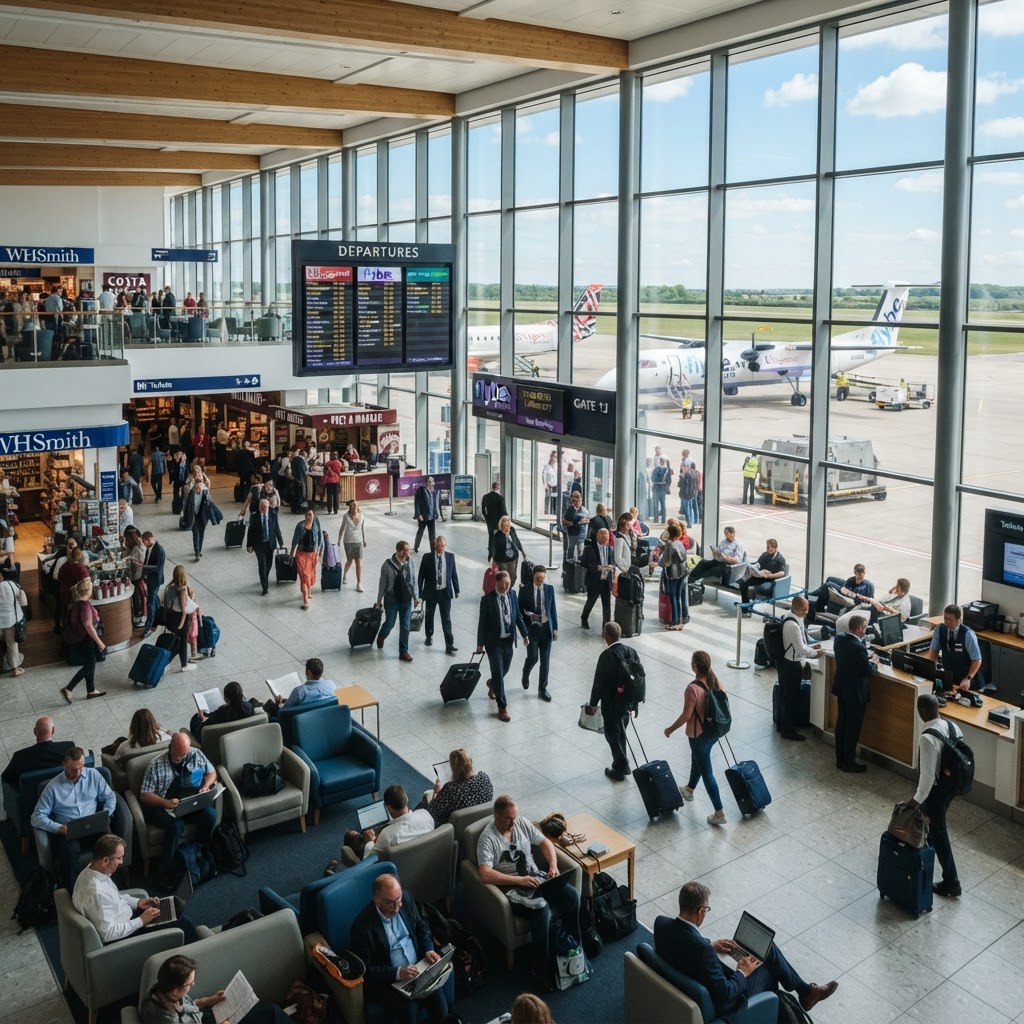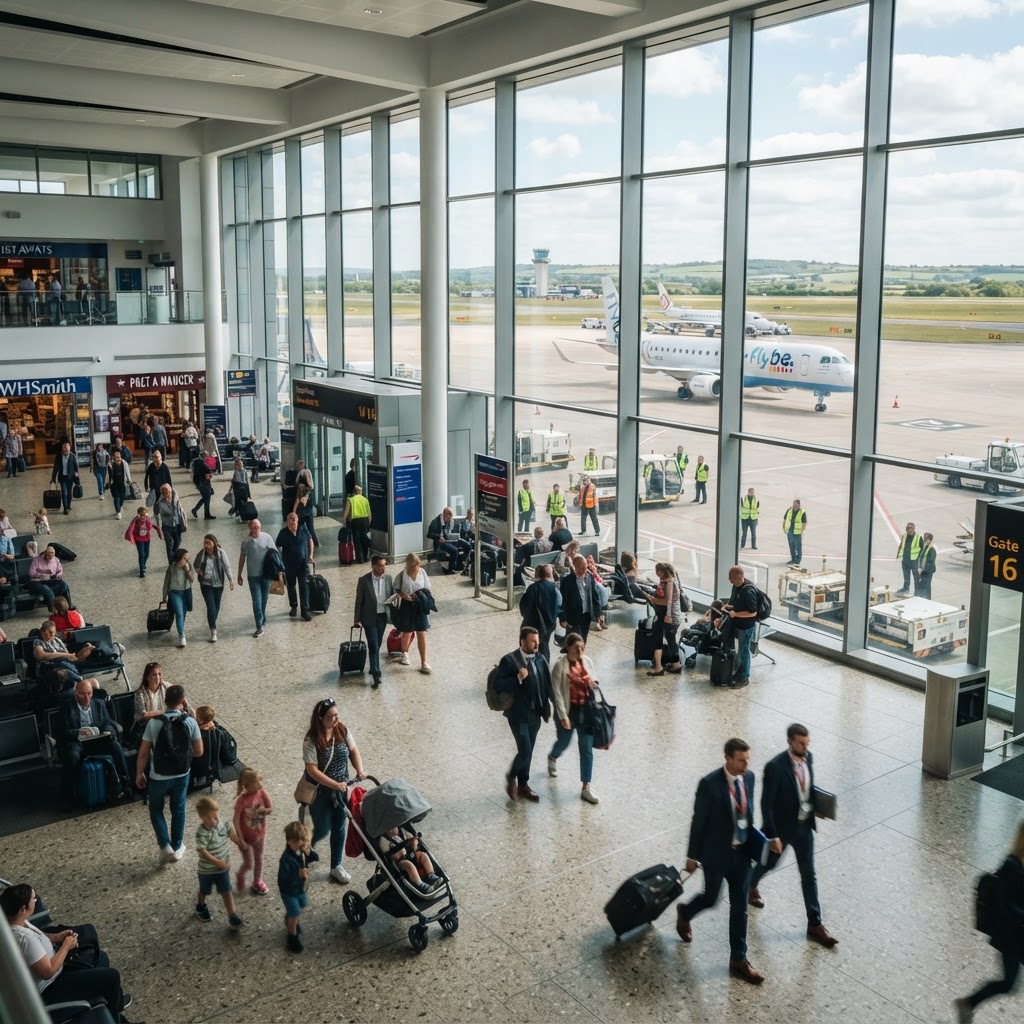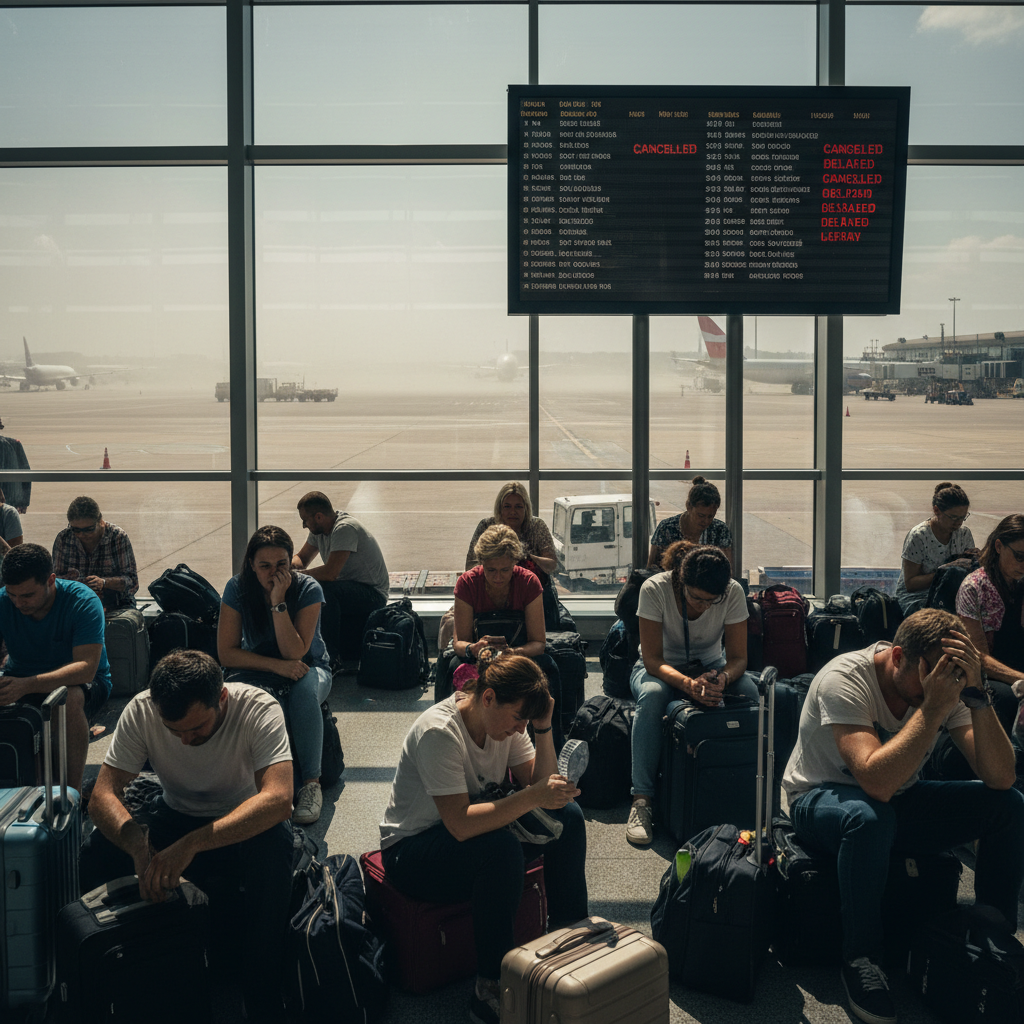
The start of what was expected to be a bustling summer travel season has drastically faltered as soaring temperatures and storm-induced disruptions wreak havoc on UK airports and rail services. Heathrow and Gatwick airports have struggled to recover from a wave of over 900 flight delays and dozens of cancellations, all triggered by severe thunderstorms and resulting air traffic restrictions from the National Air Traffic Services (NATS).
As of June 30, 2026, the travel landscape has become a challenging maze for holidaymakers hoping to jet off for summer getaways. With thunderstorms rolling through southern England, NATS implemented flow restrictions on air traffic, citing severe lightning and diminished visibility, leading to a backlog of stranded passengers and aircraft completely out of place for Tuesday's planned departures.
Many were left awaiting refunds or rebookings, their holiday plans hinging on a fragile situation. "British Airways and EasyJet have both cautioned travellers regarding significant knock-on effects," noted a spokesperson from a leading travel agency. "People are advised to check the status of their flights before heading to the terminals."
“"This chaos underscores the urgent need for investment in upgrades and contingencies for our transport infrastructure."”
Eurostar Faces Infrastructure Crisis
Fuelled by adversity, Eurostar has announced a complete halt of its services to Rotterdam and Amsterdam until at least July 3. A major power failure alongside heat-related damage to railway infrastructure has rendered these services inoperable. The situation compounds the travel agony; as Britons look to Europe for sun and leisure, many are instead met with frustration as ticket counters fill with anxious customers seeking alternatives.
In a year already riddled with challenges for railway systems across the country, Eurostar’s situation reflects wider issues present in the UK's travel network. The heatwave in June, which saw temperatures peak at a record-breaking 37.3 degrees Celsius in Suffolk—a historic high for the month—has led to emergency speed restrictions and numerous warnings regarding track safety. Such conditions elevate risks of rail infrastructure failures, which are compounded by a lack of redundancy, said railway expert Dr. Claire Johnson.
"The combination of unprecedented heat and storms is nothing short of a stress test for our transport infrastructure," Dr. Johnson asserts. "With many tracks already at capacity during peak travel periods, this chaos underscores the urgent need for investment in upgrades and contingencies."
Significant Economic Implications
This multifaceted disruption poses not only a headache for holidaymakers but carries potential economic ramifications for the broader travel industry. The repercussions tend to ebb far beyond individual inconveniences. The combined effects of flight disruptions and Eurostar cancellations could lead to a significant loss in tourism revenue over what is typically one of the busiest periods of the year for travel operators.
Several businesses reliant on the influx of tourists have already expressed concerns regarding lost revenue during the peak summer weeks. Alex Thompson, owner of a local holiday rental in Brighton, remarked, "We’ve seen a noticeable decline in bookings this week as we watch our potential guests get delayed or rerouted. If this persists, it will be catastrophic for small businesses like mine that rely on the summer rush."
A Look Ahead
As conditions evolve, authorities are assessing the immediate challenges alongside longer-term infrastructure needs. The UK has been warned to brace for further weather disruptions, with forecasts indicating continued storms in scattered regions over the coming days. Meanwhile, the heatwave persists in some areas, leading to a precarious balancing act for those tasked with managing transport networks.
Passengers are urged to plan accordingly before embarking on their travels and to remain patient amidst this tumultuous environment. Communications from both airports and railway services have reiterated that many staff are working diligently to rectify issues, but the road to recovery remains fraught with hurdles. The hope is that weather patterns stabilise ahead of the holiday season’s peak.
Ultimately, the past week serves as a stark reminder of how rapidly shifting climatic conditions can disrupt even the most meticulously planned travel itineraries. Given the intertwined nature of British transport systems, it’s clear that operators must not only address immediate concerns but also prepare for a future where such disruptions may become more frequent.
As the travel chaos perseveres amid record temperatures and storms, holidaymakers are left to navigate a quagmire that seems set to continue well into July. With challenges that demand urgent attention and strategic foresight, the summer travel crisis encapsulates a broader dialogue around the resilience and adaptability of the UK's transport infrastructure in the face of climate change.