London’s primary international hub has been forced into emergency contingency mode following a malicious digital breach. Thousands of passengers remain stranded as the National Cyber Security Centre works to restore critical infrastructure.
The Digital Siege
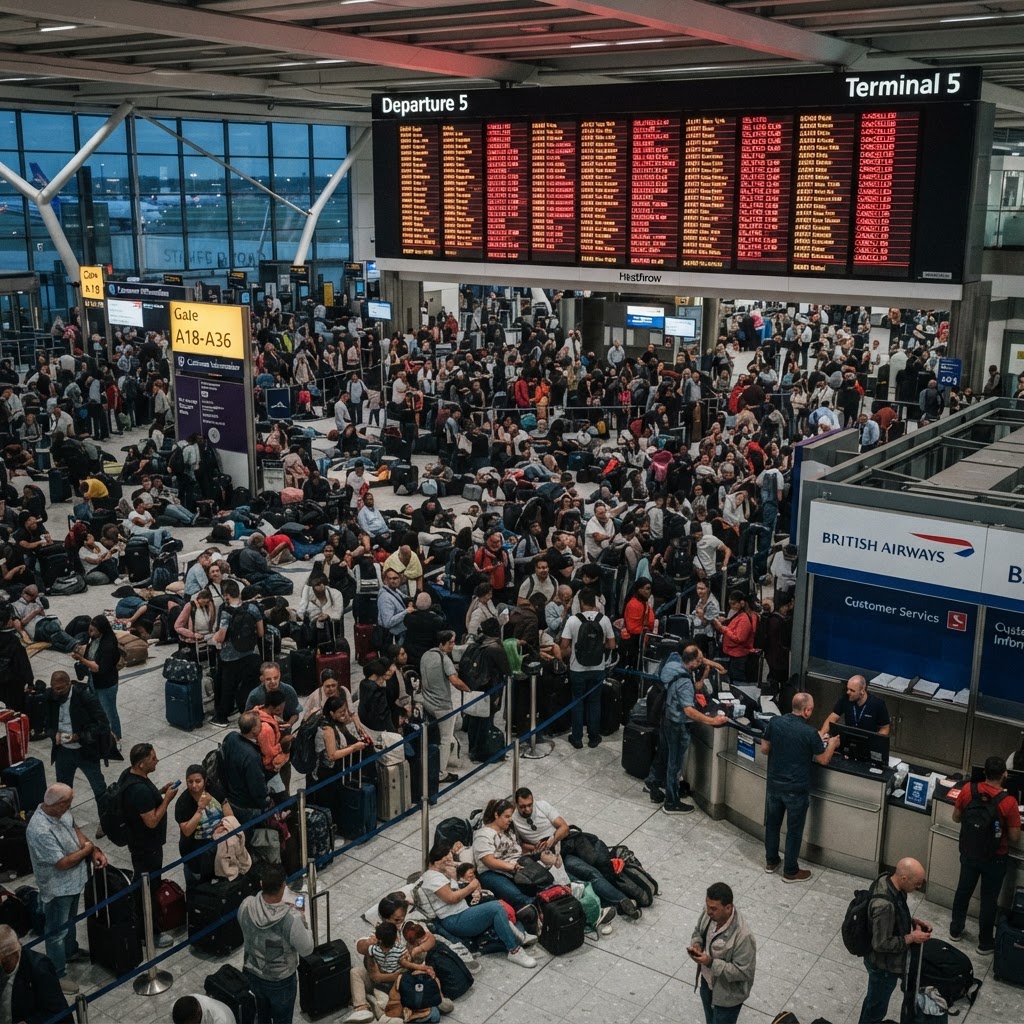
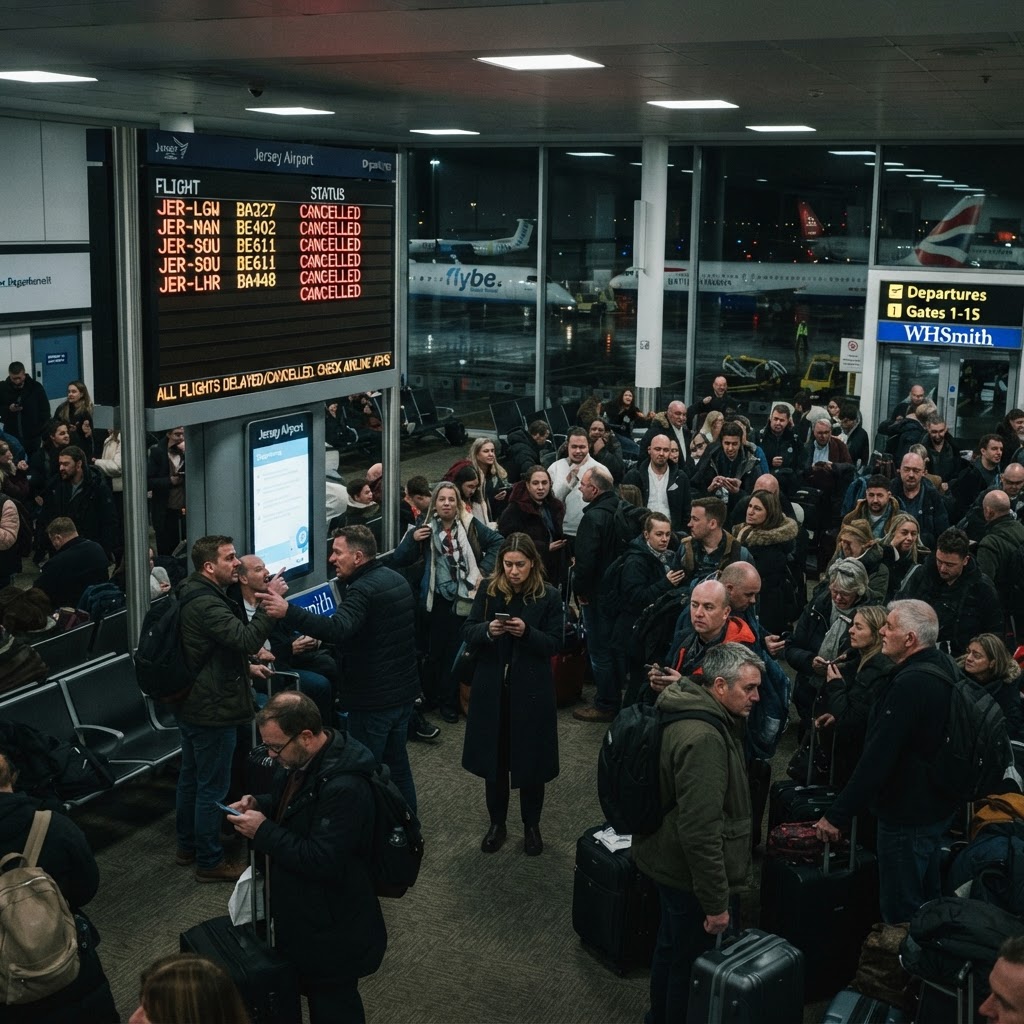
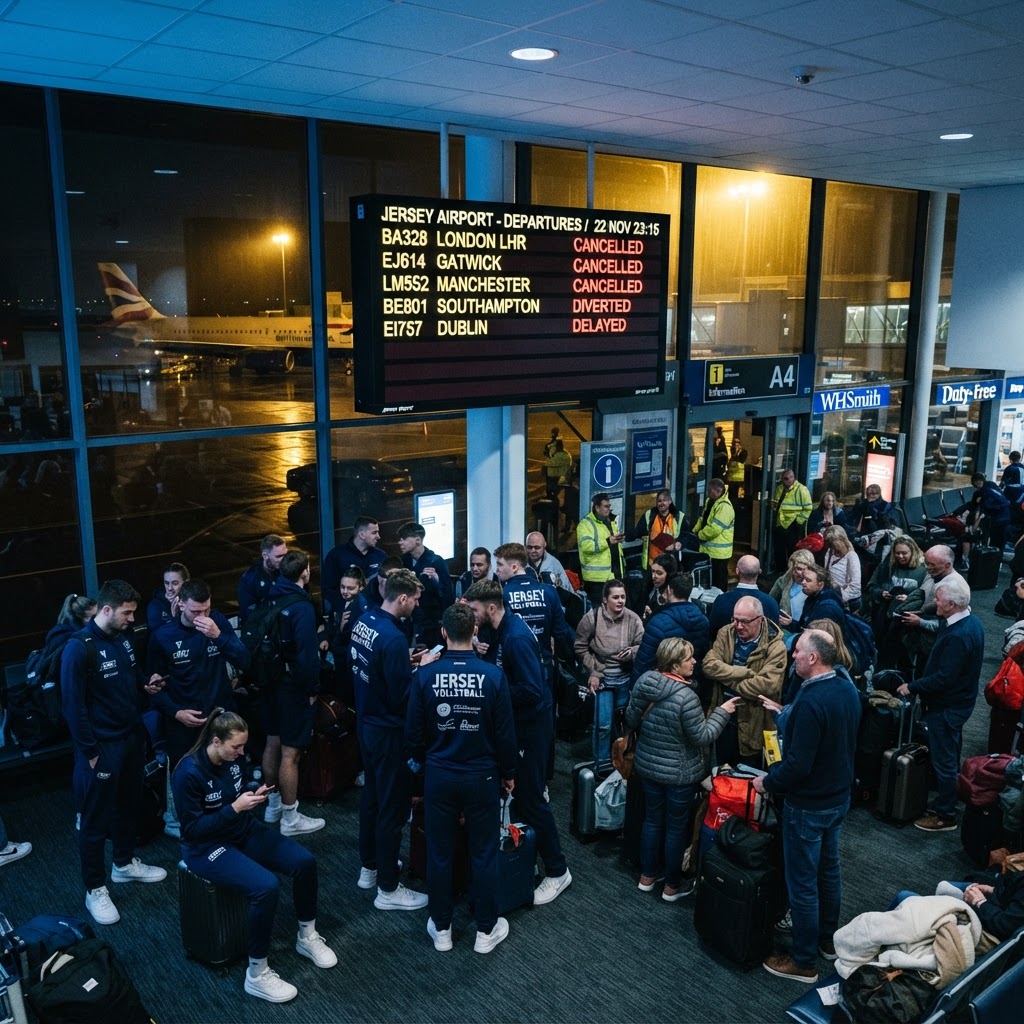
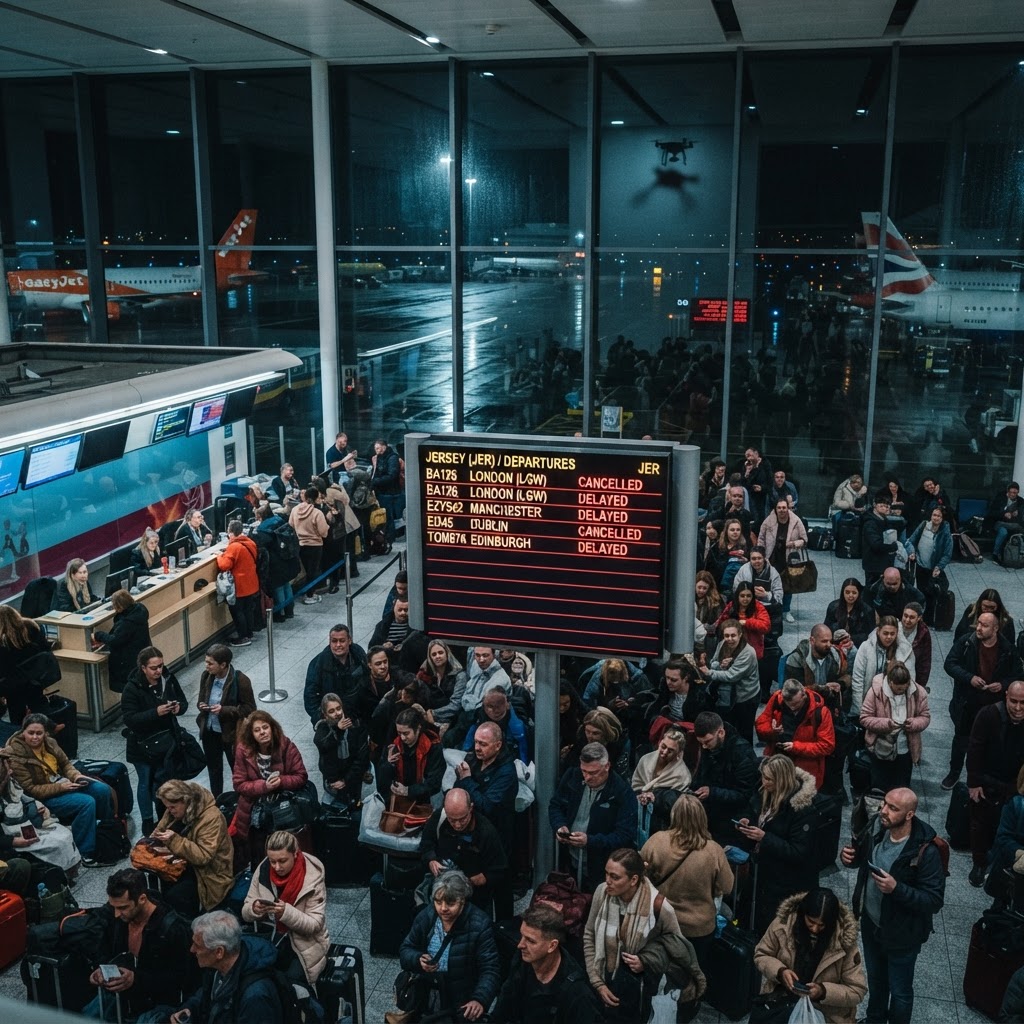
London Heathrow, the gateway to the United Kingdom, has been plunged into a state of operational paralysis today following a sophisticated cyber-attack that targeted the airport’s core administrative and flight management systems. The incident, which began in the early hours of 5 November 2026, has resulted in a cascading series of delays, cancellations, and terminal congestion that shows little sign of immediate resolution. Travellers arriving at the airport this morning were greeted by darkened information displays and long, snaking queues, as ground staff reverted to manual processing for the first time in over a decade.
A Fragmented Recovery
While the disruption has been widespread, the impact has not been uniform. British Airways, owing to its proprietary and largely isolated back-up infrastructure, has managed to maintain a skeleton service, though the carrier has still faced significant headwinds regarding baggage handling and passenger information flow. For the majority of other international carriers, however, the situation is far more acute. Many airlines have been left blind to real-time flight data, forcing them to ground fleets as a precautionary measure to ensure safety protocols are not bypassed in the absence of automated verification systems.
The Official Response
The National Cyber Security Centre (NCSC) confirmed this afternoon that it has launched an urgent investigation into the breach, working in close concert with the Department for Transport and law enforcement agencies. There is as yet no official attribution regarding the perpetrators, though the complexity of the intrusion has prompted an elevated alert status across the UK’s broader critical national infrastructure. Transport Secretary Heidi Alexander addressed the situation from Whitehall, stating that she is receiving constant updates and that the priority remains the safety and security of the flying public. “We are deploying all necessary resources to assist airport operators in isolating the threat and restoring operational stability,” Alexander noted.
Wider Implications for UK Infrastructure
Security experts have long warned that the digitisation of hub airports creates a formidable, yet fragile, attack surface. Modern aviation relies on a complex web of interconnected systems ranging from air traffic control interfaces to fuel distribution sensors and terminal security gates. A breach of this magnitude serves as a stark reminder of the vulnerability inherent in our reliance on smart infrastructure. The integration of third-party vendors, such as Collins Aerospace, into the airport ecosystem further complicates the forensic process, as authorities must now audit disparate supply chains to ensure the virus or ransomware has been fully purged from the network. Passengers are strongly advised to refrain from travelling to the airport without first confirming their flight status directly with their airline, as the physical concourses have reached capacity, leaving little room for those whose travel plans have already been decimated.