A National Crisis in Transport As the UK braces for soaring temperatures reaching a record-breaking 38°C, the effects of the extreme heat are being felt across the country's transport infrastructure. The Met Office has issued a rare red weather warning for southern England, the Midlands, and Wales for Wednesday, June 24, and Thursday, June 25, 2026. This unprecedented warning has prompted major rail operators, including LNER and East Midlands Railway, to issue strong advisories against travel, citing serious risks to rail safety arising from the heat.
Rail Operations Under Threat The operational stability of the nation's railways is under acute threat as tracks may buckle and overhead power lines could sag under the extreme conditions. National Rail has instituted speed restrictions throughout the network, which has resulted in substantial delays, reduced schedules, and the complete cancellation of numerous long-distance services. "The challenges posed by the current weather conditions cannot be overstated. Safety is always our top priority, and we urge passengers to heed the advisories in place," a spokesperson for National Rail stated.
News of the cancellations has created panic among travellers, particularly those reliant on trains for holiday getaways. With summer holidays just around the corner, the government's travel advice could significantly dampen plans. Many are now left scrambling for alternative arrangements, with tickets for June 24th and 25th being rendered nearly worthless. In response, National Rail has introduced ticket easements, enabling passengers to travel on June 26th instead or to claim a full refund without incurring administrative charges.
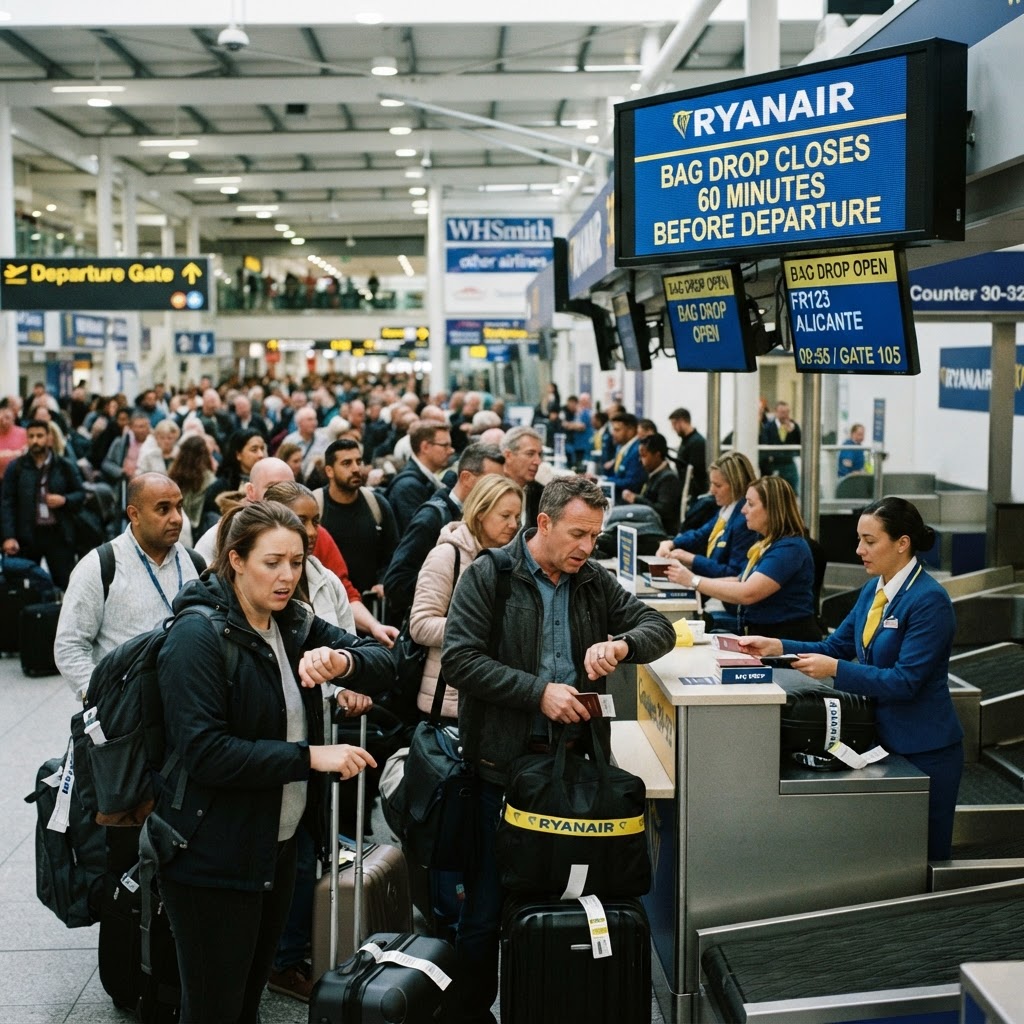
Air Travel Disruptions Across the Country Meanwhile, major airports, including Heathrow and Gatwick, are also struggling to cope with widespread flight cancellations and delays affecting journeys to Ireland and mainland Europe. Extreme weather has disrupted not only the operations on the ground but also regional air traffic control systems. The Civil Aviation Authority has warned of cascading effects on air travel, as airports across Europe face similar challenges, further compounding the chaos in the skies.
Companies operating within the aviation sector are now proactively reaching out to travellers, urging those with upcoming flights to check their schedules and remain updated on operational statuses. "We are closely monitoring the situation and are working tirelessly to improve efficiency wherever possible, but we strongly advise passengers to plan accordingly," a representative from Gatwick stressed.
Health Risks and Public Safety Concerns With temperatures projected to reach near-record levels, public health agencies have also raised alarms over health risks stemming from extreme heat. The NHS has issued guidelines urging vulnerable populations to stay hydrated, avoid outdoor activities during the hottest parts of the day, and seek refuge in cool areas where possible. Experts caution that the health risks from such extreme conditions can be severe, particularly for the elderly and those with pre-existing health conditions.
As concerns about public health mount, officials emphasize the importance of precautions. Dr Louise Marsh, a public health consultant, noted that, "While the summer sun is typically an occasion for leisure, extreme temperatures can pose serious health threats. We urge everyone, especially those in vulnerable groups, to take the situation very seriously."
“"While the summer sun is typically an occasion for leisure, extreme temperatures can pose serious health threats. We urge everyone, especially those in vulnerable groups, to take the situation very seriously."”
Coping Strategies for Those Who Must Travel Authorities are urging those who must travel to complete their journeys before 12:00 PM midday, the time at which temperatures will peak. For those still reliant on planned journeys, various strategies are being recommended to mitigate risks. Staying hydrated, wearing appropriate clothing, and seeking air-conditioned venues along the route have been advised to ensure personal safety while navigating the heat.
A Changing Climate Landscape This extreme heat event serves as yet another reminder of the growing challenges posed by climate change. As our weather patterns become increasingly unpredictable, the resilience of Britain's transport networks is being tested. The climate crisis is no longer a distant concern; it is having tangible impacts on people's lives today.
Transport Secretary Mark Harper commented on the situation, stating, "We are facing a significant challenge, but we are well prepared and working closely with all operators to ensure the safety and well-being of all travellers. This is an evolving situation that we will manage diligently." His sentiment echoes the urgent need for adaptive strategies to secure the future efficiency and resilience of the UK's transport systems amidst climate variations.
As the UK navigates this turbulent period, the call for comprehensive planning, public awareness, and systemic improvements in the face of climate change remains ever-pressing. The current challenges may serve as an instructive lesson as Britain reevaluates the preparedness of its infrastructure in facing future environmental adversities.