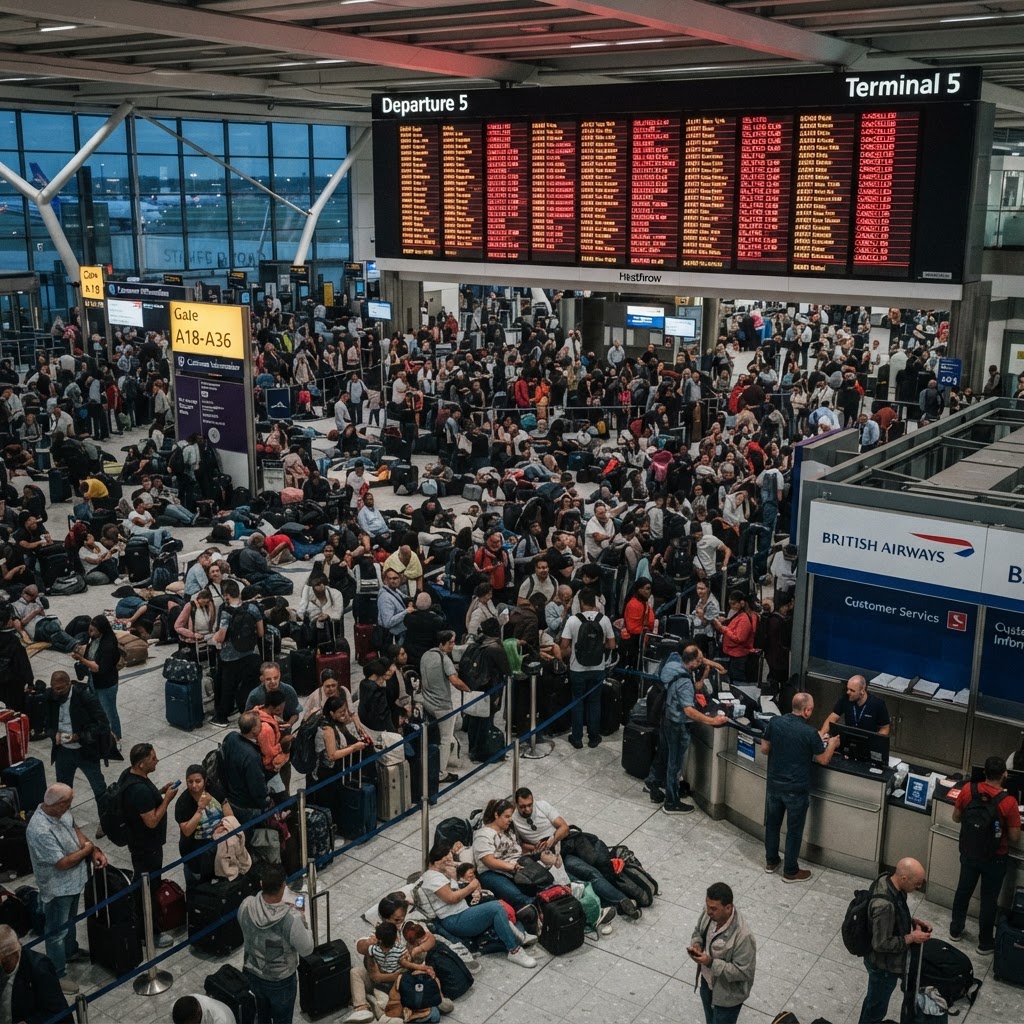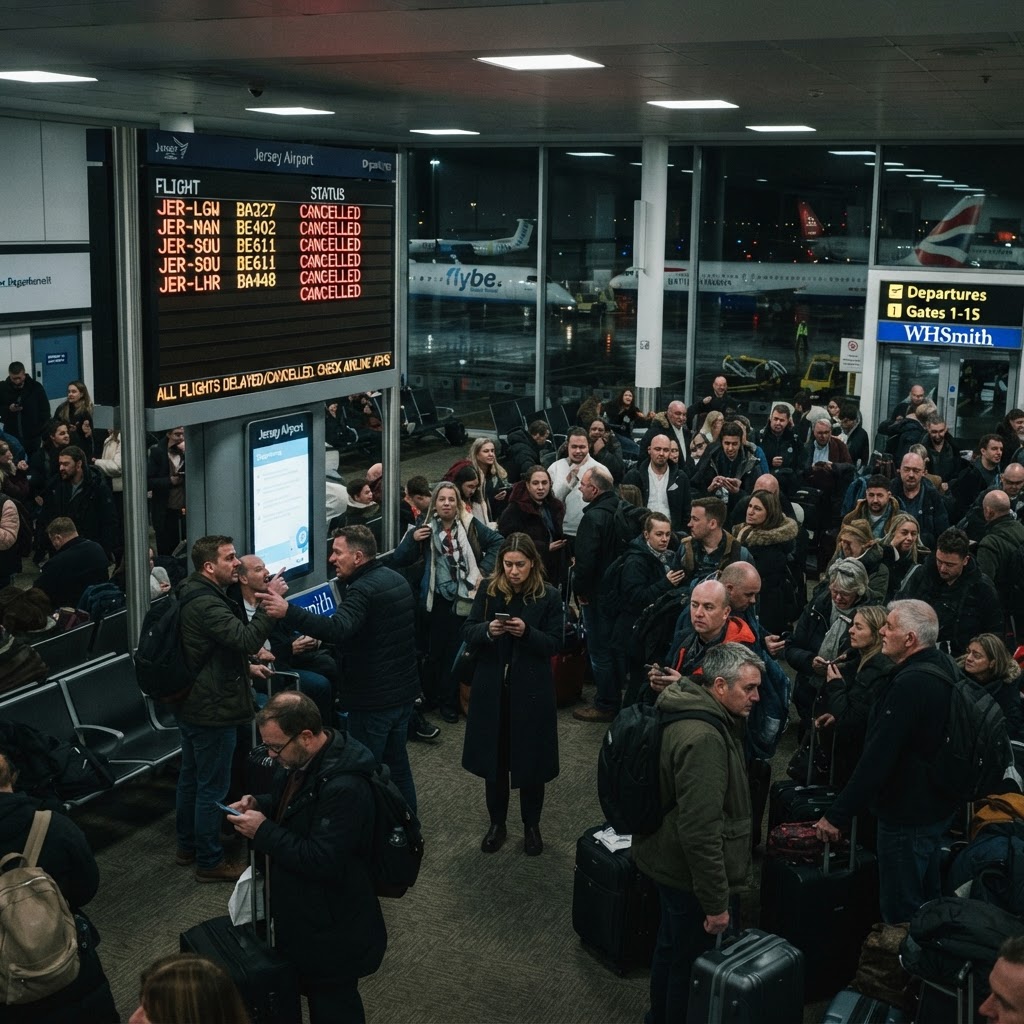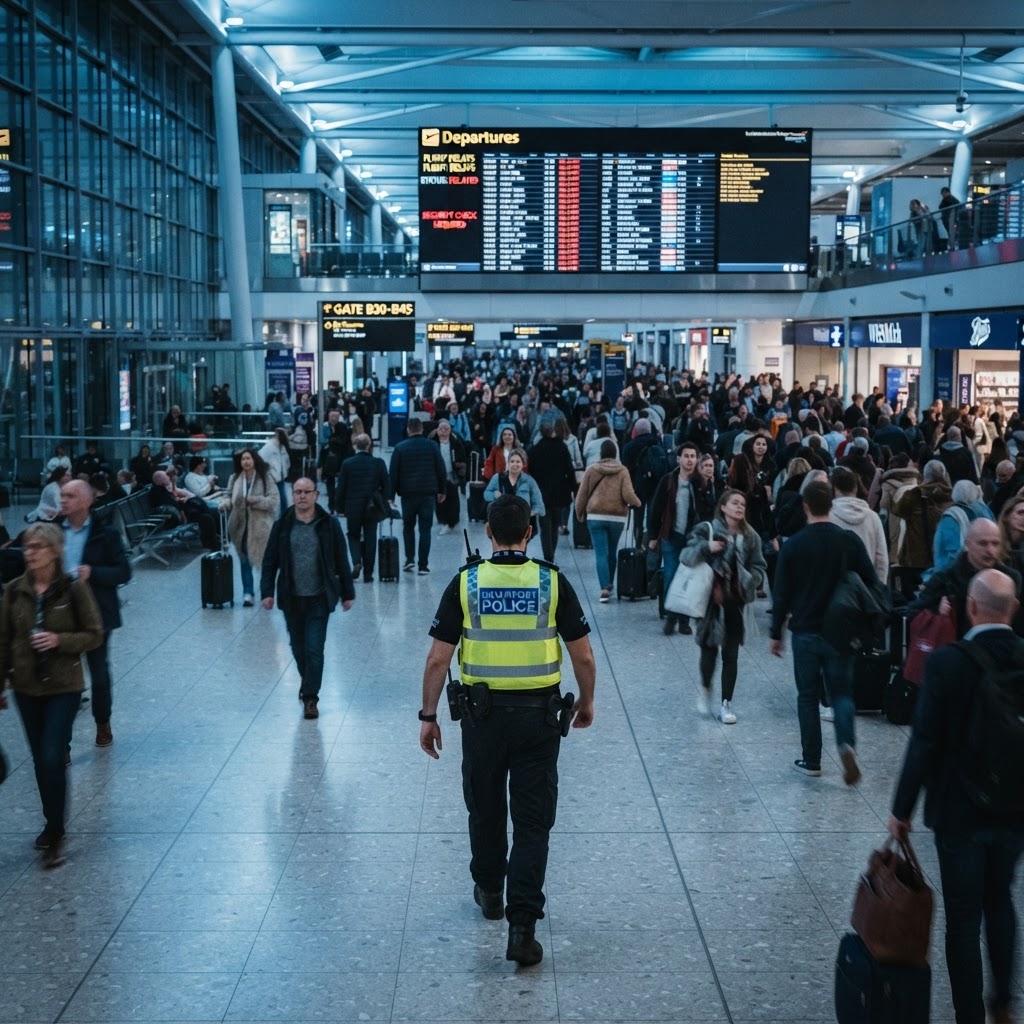
A Coordinated Campaign of Disruption The resilience of the British aviation sector is currently being tested by a sophisticated and persistent campaign of malicious activity. On 5 November 2026, both Heathrow and Birmingham airports were forced to implement emergency security protocols following the receipt of targeted bomb threats. These incidents represent the latest in a wider series of security scares that have swept across European transport hubs throughout the week, causing significant disruption to international flight schedules.
While UK authorities have officially classified these threats as a malicious hoax, the operational fallout has been substantial. The necessity to verify each claim requires the deployment of specialist police units, tactical explosive ordnance disposal teams, and the implementation of rigorous passenger screening procedures. Each intervention effectively stalls the flow of commerce and travel, placing immense strain on airport logistics.
Operational Pressure on UK Infrastructure Earlier this week, a separate string of alerts necessitated the emergency search of at least seven commercial flights upon landing. In every instance, the subsequent investigations proved negative, with no explosive devices uncovered. Despite the lack of a tangible threat, the sheer frequency of these communications is beginning to exact a toll on the industry. Aviation analysts suggest that the strategy behind these hoaxes is not necessarily to cause immediate physical harm, but to exhaust the patience of the traveling public and deplete the resources of counter-terrorism units.
A spokesperson for the Department for Transport noted that while the threat level remains under constant review, the safety of passengers and crew continues to be the primary concern. The government is coordinating closely with international intelligence partners to trace the source of these communications, which are believed to be emanating from networks outside of the United Kingdom.
The Psychological Aspect of Security Experts argue that these incidents expose a vulnerability in the modern security apparatus, where the mere suspicion of an threat can cause disproportionate economic damage. Dr. Alistair Finch, a senior fellow in transport security, explains that such campaigns are designed to create a ‘boy who cried wolf’ scenario, which risks desensitising ground staff and airport security personnel to genuine dangers. The challenge for authorities is to maintain a posture of extreme vigilance without allowing these hoaxes to cripple the connectivity of the nation.
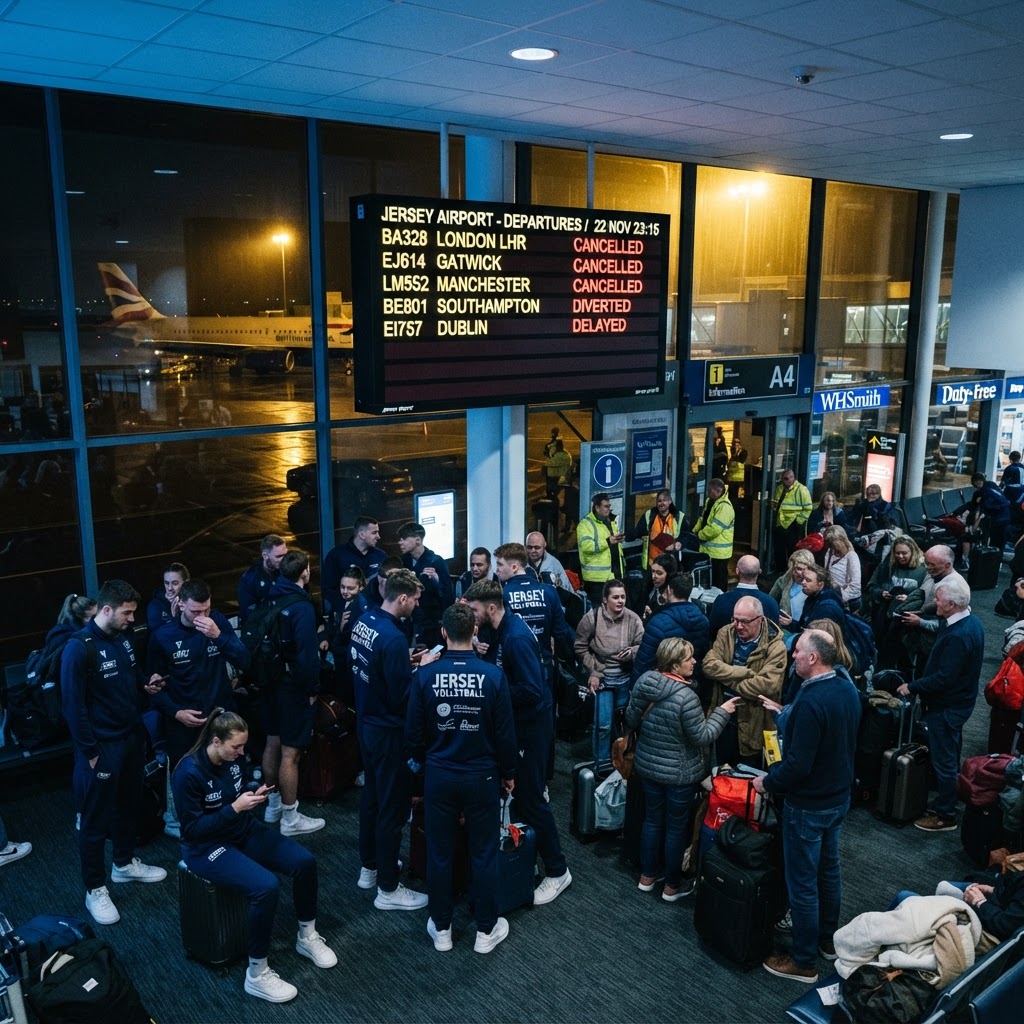
For travellers, the result is a landscape of uncertainty. Flights have faced cascading delays, and in some instances, cancellations, as airports struggle to return to normal operations following the mandatory safety sweeps. Airlines have expressed concern over the financial impact of these delays, which are often compounded by the necessity to accommodate stranded passengers in a pre-holiday surge period.
“The challenge for authorities is to maintain a posture of extreme vigilance without allowing these hoaxes to cripple the connectivity of the nation.”
A Path Forward As the investigation deepens, the focus is shifting toward improving the speed with which these digital or telephonic threats can be verified or debunked. Enhancing cross-border intelligence sharing will be paramount in mitigating the impact of these nuisance campaigns. In the interim, passengers travelling through major hubs are encouraged to monitor their airlines' official communications and allow for additional time at check-in, as authorities continue to process the ongoing security landscape with a high degree of caution.
The events of the past forty-eight hours serve as a reminder of the fragility of global travel networks when confronted by bad actors intent on exploiting modern security dependencies. While no physical danger was posed to passengers, the erosion of stability remains the primary goal of those responsible for these disruptions. The British government maintains that it will continue to apply the full weight of the law to identify and prosecute those behind this wave of malicious activity.