
National Post UK
Aviation Sector Grapples with Aftermath of National Air Traffic System Collapse

As NATS engineers scramble to restore full capacity, travellers face a gruelling period of uncertainty. The systemic fai

The National Post

HomeTravel
Travel

Aviation Sector Grapples with Aftermath of National Air Traffic System Collapse

As NATS engineers scramble to restore full capacity, travellers face a gruelling period of uncertainty. The systemic failure has reignited concerns regarding the resilience of Britain’s critical aviation infrastructure.

NF

Natalie Forsythe

Travel Editor

Published 10 October 2026·about 10 hours ago 3 min read
Text
Share

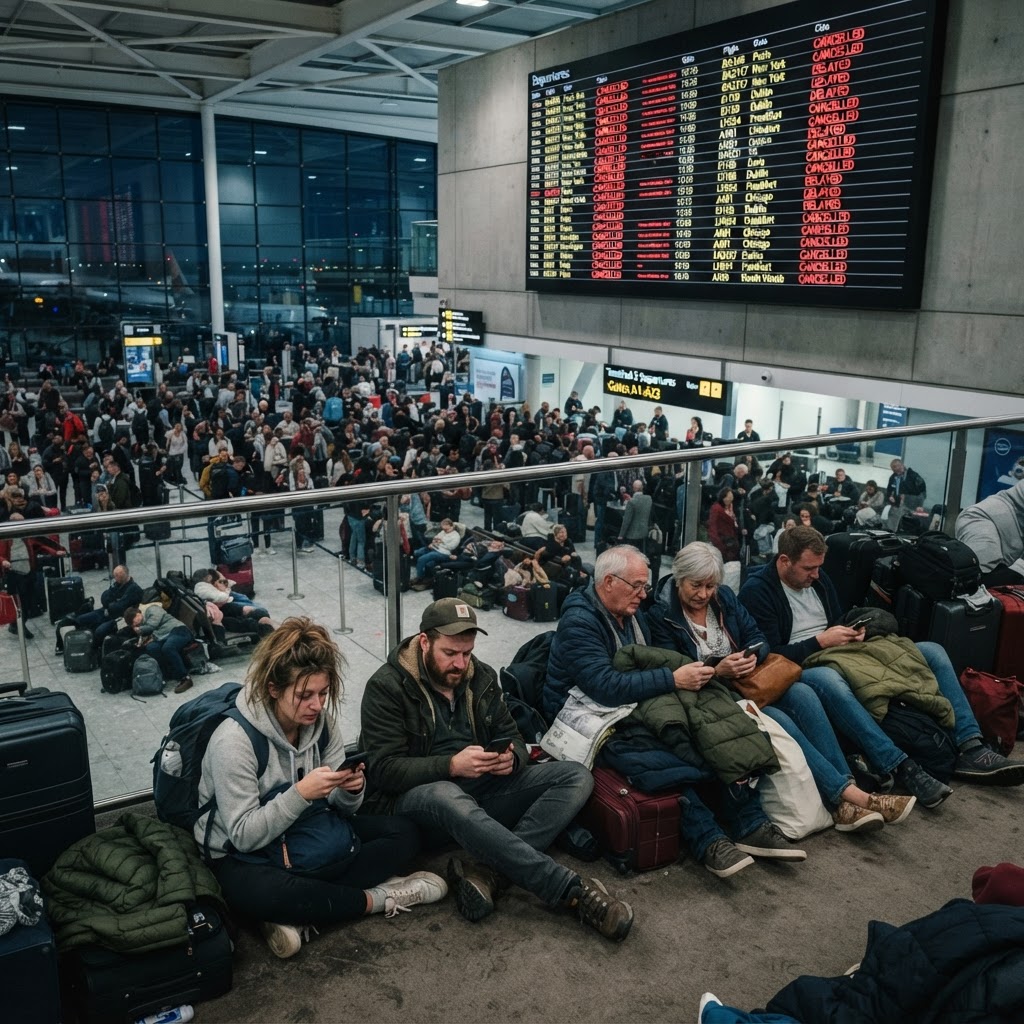
The Anatomy of a Systematic Failure For thousands of travellers across the United Kingdom, the morning of September 8, 2026, began not with the promise of a holiday or a business engagement, but with the stark, flickering imagery of airport departure boards awash with red. A critical technical malfunction within the flight processing system managed by the National Air Traffic Service (NATS) initiated a cascade of failures that brought the nation’s skies to a standstill. While engineers have since confirmed the resolution of the fault, the ripple effects of the disruption are set to persist for several days.

The Scale of the Disruption The statistics provide a grim snapshot of the chaos. Tuesday saw approximately 1,300 flights grounded, a figure that continued to climb on Wednesday as the logistical gridlock proved difficult to untangle. Major hubs, including Heathrow and Gatwick, functioned as epicentres of the crisis, while regional terminals from Manchester to Bristol faced near-total paralysis. The issue did not merely affect departures; it effectively trapped aircraft across Europe, leaving flight crews out of position and thousands of passengers stranded in terminal buildings across the continent.

Infrastructure Under Pressure Aviation analysts suggest that this event is symptomatic of an aging infrastructure struggling to keep pace with modern demand. The NATS system, which is intended to serve as the backbone of UK aviation safety and navigation, has once again been cast under a harsh spotlight. Industry experts are already calling for an exhaustive independent inquiry into how a single technical failure could compromise the integrity of the entire network. There is a prevailing sense that the system requires significant capital investment to ensure it can withstand the pressures of peak-season travel.

A Long Road to Normalisation While the technical fault has been rectified, the aviation sector is currently navigating the 'knock-on' impact. An aircraft is rarely utilised for a single journey; it is part of a tightly synchronised dance of arrivals and departures. When a flight is cancelled, the aircraft does not arrive at its next destination, which in turn cancels the subsequent departure. This domino effect necessitates a complex, time-consuming operation to reposition crews and machinery. Consequently, passengers should anticipate lingering volatility in flight schedules for the remainder of the week. Airlines have been working around the clock to rebook passengers, yet the limited capacity of the network means that patience is currently a premium commodity.

Navigating the Fallout For those currently attempting to traverse the UK's aviation network, the advice remains consistent: check the status of your flight through official airline channels before making the journey to the terminal. Airports have requested that passengers avoid arriving excessively early, as the congestion within terminals has already reached unmanageable levels in several locations. As the dust begins to settle on this technical debacle, the focus will undoubtedly shift toward accountability and the long-term robustness of the UK's flight processing infrastructure.

TopicsAviationNATSUK TravelHeathrowGatwickInfrastructure
Share

About the Author

NF

Natalie Forsythe

Travel Editor

Natalie Forsythe reports for National Post UK with a focus on rigorous analysis and authoritative journalism — a trusted voice across British public life.

Reader Discussion · 4

Subscribers can join the conversation.

SUBSCRIBE TO COMMENT →
E
Eleanor Rigby10 Oct

This incident highlights our over-reliance on automated systems that clearly lack sufficient human oversight. Perhaps it is time we reconsidered how much we digitise critical infrastructure if we cannot guarantee it will remain functional during a glitch.

D
David Thorne10 Oct

I was caught up in the chaos at Gatwick and the lack of communication from the airline staff was the most frustrating part of the whole ordeal. We were left standing for six hours without so much as a cup of water or a clear update on when flights might resume.

S
Sarah Jenkins10 Oct

My heart goes out to all the families stuck in terminals yesterday, but we have to remember how hard those air traffic controllers work under immense pressure. It is easy to point fingers, but these systems are incredibly complex and mistakes can happen anywhere.

A
Arthur Penhaligon10 Oct

It is absolutely farcical that a single software update can bring the entire national aviation network to its knees. There needs to be a serious inquiry into why there were no robust fail-safe protocols in place for a system of this national importance.
More from Travel

Most Read in Travel

Morning Briefing

The day's top stories, before 7am

Join 40,000 readers who start their morning with National Post UK.