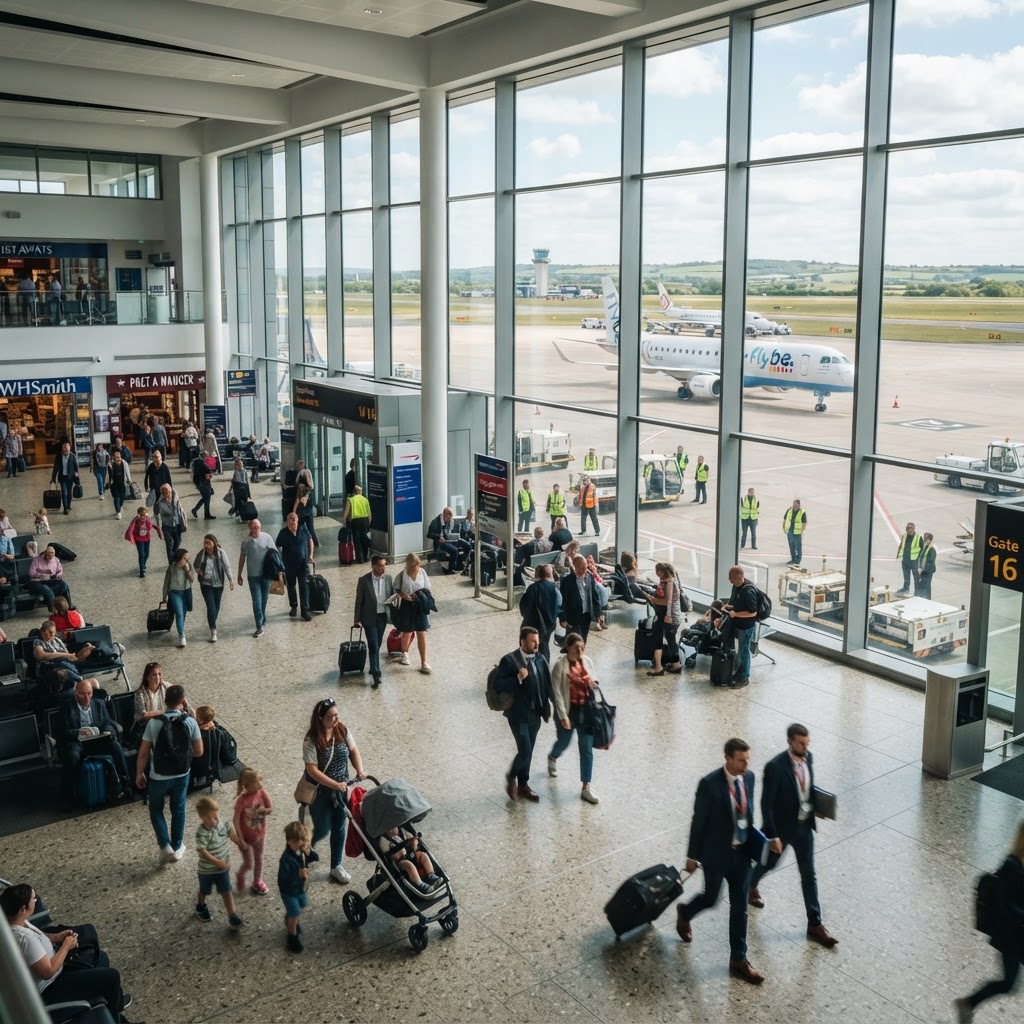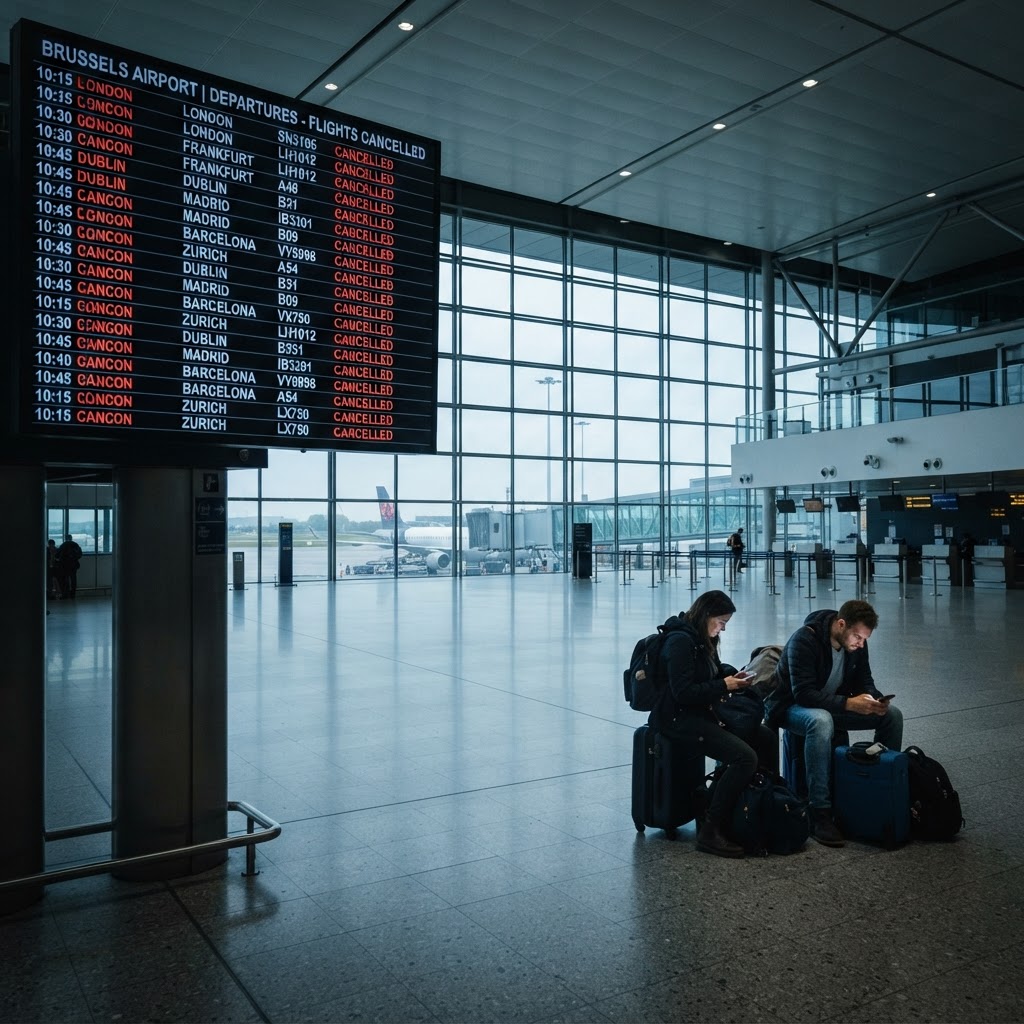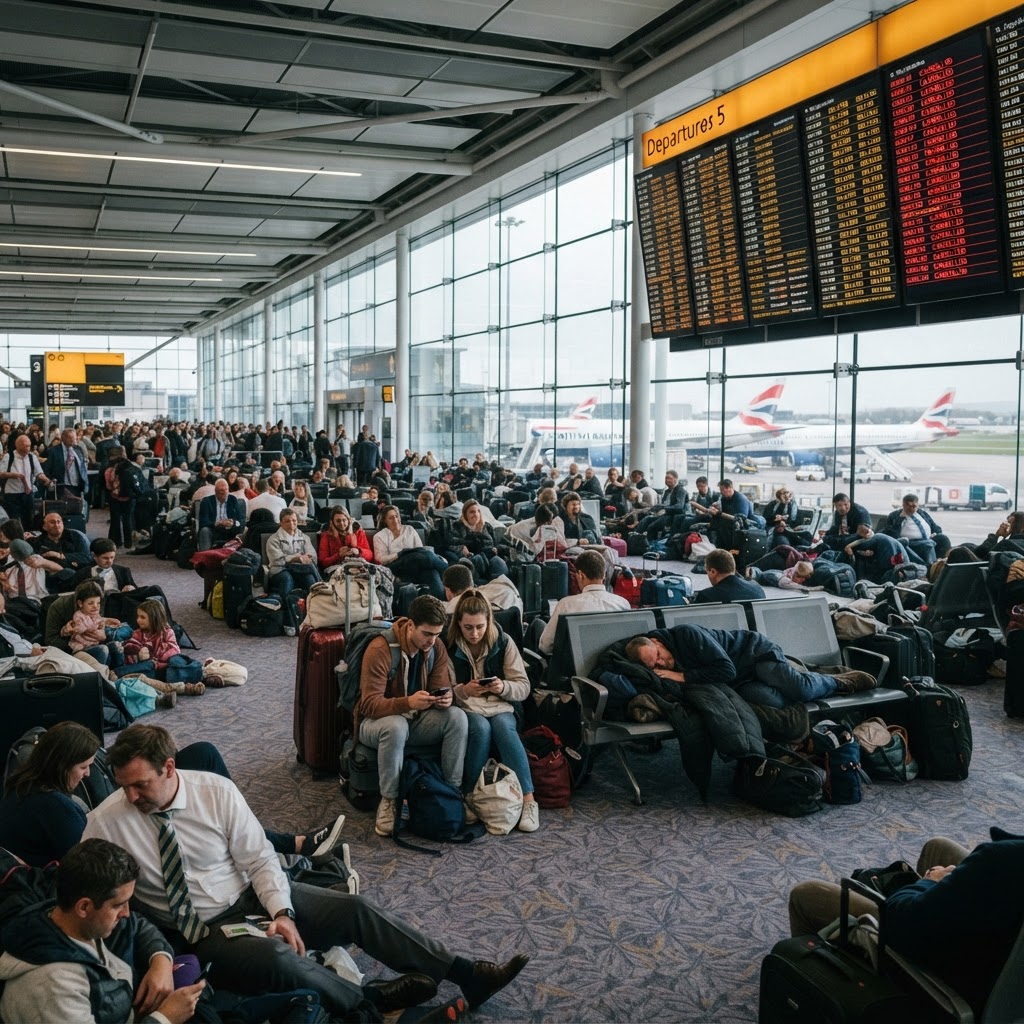
The Anatomy of a System Collapse British aviation faces a grim day of reckoning as the aftershocks of a catastrophic failure at the National Air Traffic Services (NATS) continue to ripple across the nation's major hubs. The disruption, which persisted for a gruelling six hours on Saturday, effectively turned the skies above the United Kingdom into a no-fly zone, grounding thousands and leaving an estimated 2,000 flights in a state of terminal uncertainty. While the NATS technical teams have since signalled that the flight processing system has been brought back online, the human cost is only just beginning to manifest in the departure lounges of Heathrow, Gatwick, Manchester, and Bristol.
The scale of the disruption is unprecedented in recent years. By Saturday evening, the backlog had reached a critical threshold, with airlines such as British Airways and Ryanair grappling with the logistical nightmare of displaced crews and aeroplanes stranded at the wrong airports. Ryanair, which operates one of the most tightly wound schedules in Europe, reported delays exceeding eight hours for an estimated 65,000 passengers, a figure that underscores the sheer reach of the glitch.
The Logistics of Disruption Airport operators have spent the last twelve hours attempting to manage a chaotic reality. A plane is not merely a static asset; it is a moving part of a highly calibrated machine. When air traffic control systems seize up, the subsequent displacement of crews—many of whom are hitting their legally mandated flight-time limits—means that flights cannot simply resume the moment the green light is given. Airport authorities at Gatwick and Heathrow have issued urgent warnings that the knock-on effects will likely persist well into the week, as airlines struggle to reposition assets and accommodate a growing mountain of stranded travellers.
For those sitting on the terminal floors in Manchester or Bristol, the lack of immediate information has been the primary point of friction. While the failure was an infrastructure issue within the state-sanctioned air traffic provider, the frontline burden of managing the public fallout has fallen squarely upon the shoulders of the airlines.
The Compensation Conundrum As travellers look toward the small print of their bookings, industry experts are offering a sobering assessment of potential payouts. Under standard aviation regulations, flight delays or cancellations triggered by external infrastructure failures are typically classified as 'extraordinary circumstances.' This legal designation acts as an impenetrable shield for airlines, effectively absolving them of the duty to provide the statutory compensation that passengers would normally expect for long delays.
'The difficulty here is that the disruption did not originate from a failure within the airline’s own maintenance or operational control,' says one aviation analyst. 'While travellers are entitled to assistance such as refreshments and overnight accommodation, the likelihood of securing significant financial restitution for the delay itself is extremely slim. The system failure was a force majeure event from the perspective of the carrier.'
“The sheer scale of this disruption serves as a stark reminder of how fragile our connectivity truly is in an era where digital reliance is absolute.”