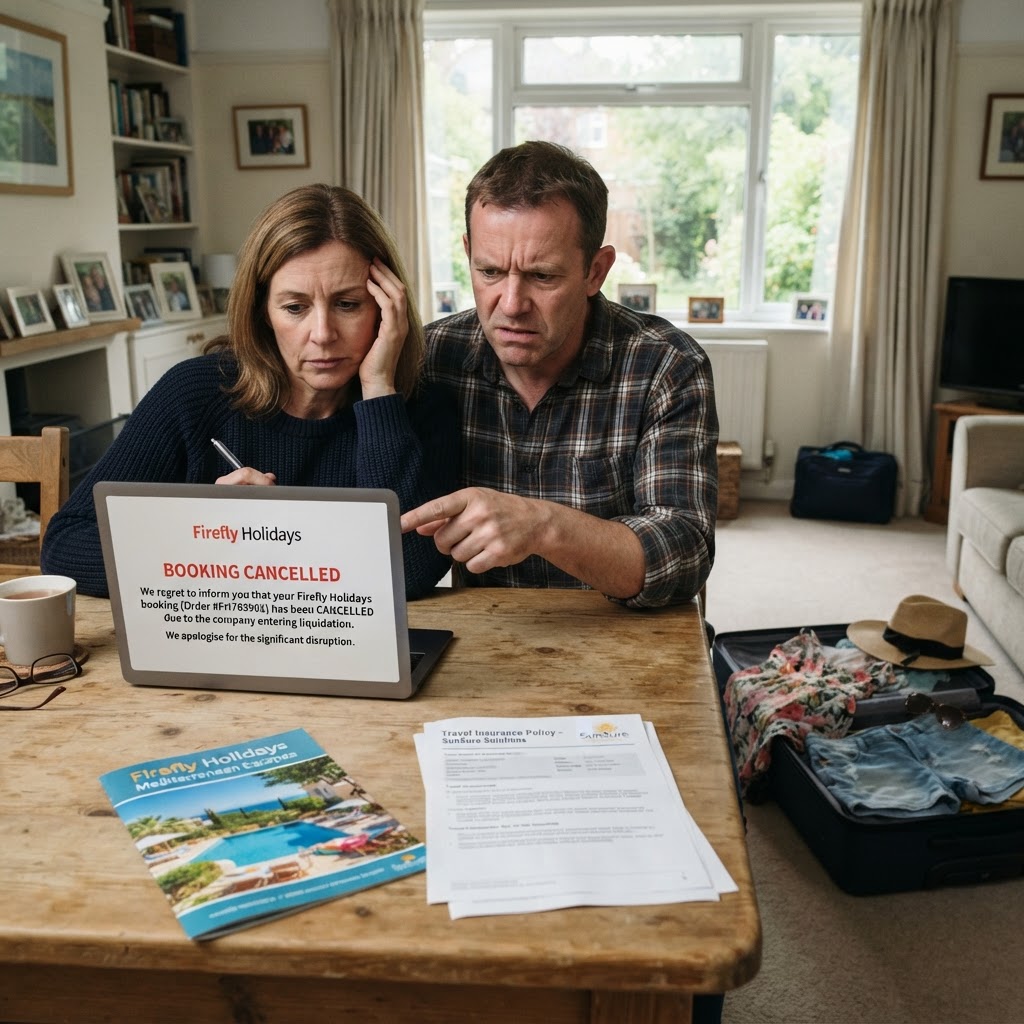
The End of an Era for a Decade-Old Operator The travel industry was dealt a significant blow this week as Firefly Holidays, a long-standing fixture in the Abingdon business community, officially confirmed it has ceased operations. Following a decade of service as a mid-market tour operator, the company entered voluntary liquidation on 4 August 2026. The announcement, which only reached the wider public domain on 16 August, has sent shockwaves through the UK tourism sector and left countless customers scrambling to secure refunds.
For over ten years, Firefly Holidays built a reputation for offering bespoke, mid-range travel packages, often acting as a bridge between budget airline bookings and premium travel conglomerates. However, the economic headwinds of the current fiscal year have proved insurmountable. The sudden insolvency of such an established firm highlights the precarious nature of independent travel agencies that operate on slim profit margins while navigating the complexities of international currency fluctuations and rising operational costs.
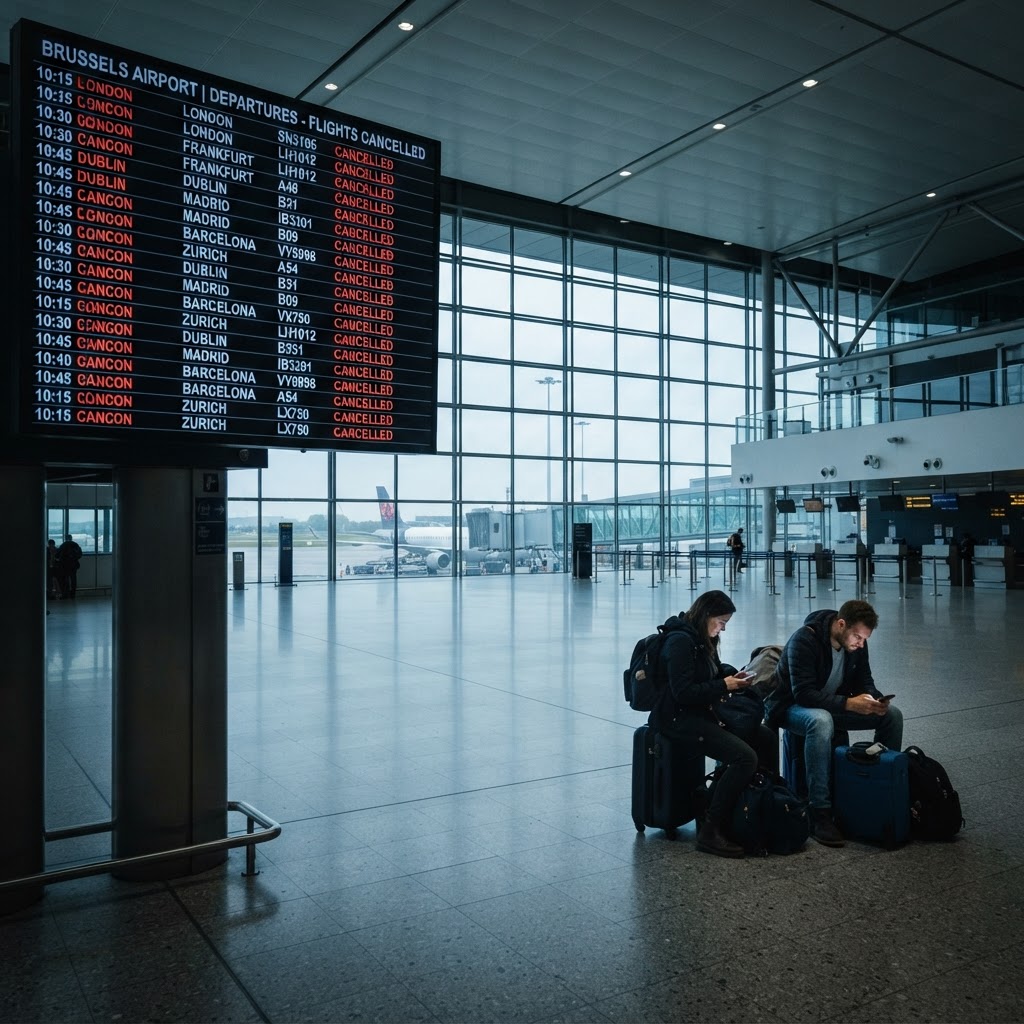
The Immediate Aftermath for Travellers The practical implications for those holding bookings with the firm are profound. With all scheduled trips officially cancelled, customers are now navigating the complex bureaucratic process of seeking financial redress. While many packages were protected by the Air Travel Organiser's Licence (ATOL) scheme, the sheer volume of claims is expected to place a significant administrative burden on the Civil Aviation Authority (CAA) and relevant travel insurance providers.
Travel industry experts suggest that the timing of this collapse—midway through the peak August travel period—compounds the disruption. Families who have spent months anticipating their summer excursions now face the daunting prospect of rebooking at higher last-minute prices, assuming space on flights and in accommodation remains available.
Broader Market Pressures The collapse of Firefly Holidays does not occur in a vacuum. The UK travel market has been struggling with a dual challenge: sustained inflationary pressures and a shift in consumer behaviour that has seen travellers increasingly bypass traditional intermediaries in favour of direct booking platforms. While the travel sector saw a robust recovery in the post-pandemic years, the current climate has been far less forgiving.
Market analysts note that the mid-market segment is particularly vulnerable. Large-scale operators possess the capital reserves to weather seasonal downturns, but smaller, independent firms like Firefly often lack the liquidity to survive sustained periods of dampened demand or sudden cost increases. The insolvency of a decade-old operator suggests that the current market consolidation might be entering a new, more aggressive phase.
“The sudden insolvency of such an established firm highlights the precarious nature of independent travel agencies that operate on slim profit margins while navigating the complexities of international currency fluctuations.”
The Road Ahead for Regulatory Oversight As the liquidation process moves into its insolvency phase, questions will inevitably turn to the level of transparency afforded to customers in the weeks leading up to the final decision. The gap between the 4 August filing and the public confirmation on 16 August has already sparked criticism from consumer advocacy groups. There are concerns that some customers may have continued to make payments during this period of uncertainty, raising significant ethical questions for the firm's leadership.
For the residents of Abingdon, the loss of Firefly Holidays represents more than just a logistical failure; it is the loss of a prominent local employer and a known entity in the town’s commercial landscape. As the dust settles, the wider industry will be watching to see if this collapse is an isolated incident or the first sign of a wider correction within the British travel sector.