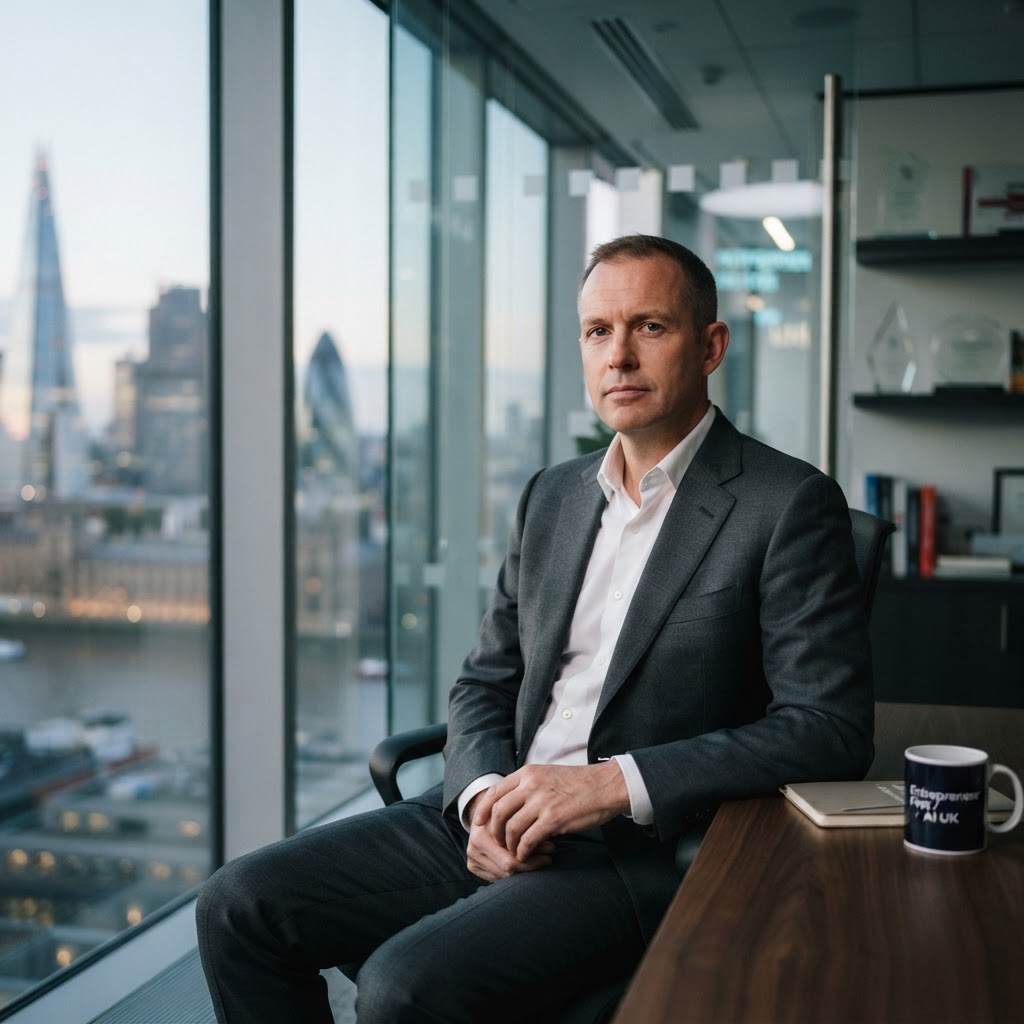
The Architect Moves In a development that underscores the accelerating intersection of public policy and private sector innovation, Matt Clifford, the strategist behind the United Kingdom’s flagship artificial intelligence framework, has been appointed as Managing Director of International Affairs at Anthropic. The appointment, announced on Wednesday, positions Mr Clifford at the forefront of the global legislative debate surrounding the safety, deployment, and regulation of large-scale generative models.
As part of his new mandate, Mr Clifford will oversee the firm’s strategic engagement with governments across the United Kingdom, Europe, the Asia-Pacific region, and India. The appointment is viewed by many industry analysts as a coup for the San Francisco-based company, which has consistently positioned itself as the safety-conscious alternative in a sector often criticised for its 'move fast and break things' ethos.
The ARIA Conundrum Despite the international nature of his new professional responsibilities, Mr Clifford has confirmed his intention to remain the chair of the Advanced Research and Invention Agency (ARIA). Established under the previous administration, ARIA serves as the state-backed, ‘moonshot’ funding body designed to support high-risk, high-reward scientific breakthroughs that might otherwise struggle to find capital in traditional markets. Furthermore, he is to retain his leadership role as chair of the venture capital firm Entrepreneurs First.
This triple-hatted arrangement has drawn immediate scrutiny from Whitehall observers and civil society organisations. Critics argue that the concurrent management of state-funded scientific research and corporate interests in the same field creates a complexity that demands rigorous scrutiny. The prospect of an individual simultaneously influencing national policy, directing taxpayer-funded investment, and representing the commercial interests of a major foreign technology firm raises significant questions about the long-term integrity of the UK's regulatory environment.
Ethical Questions Amidst the Revolving Door The appointment has reignited the perennial debate concerning the ‘revolving door’ between Westminster and the global technology sector. Beeban Kidron, a prominent campaigner for digital safety and a member of the House of Lords, has led calls for greater transparency, arguing that the movement of key government advisers directly into roles at the firms they helped regulate constitutes a potential erosion of public confidence. Lord Kidron noted that the impartiality of state strategy relies heavily on the perceived independence of those tasked with its drafting and execution.
Supporters of Mr Clifford contend that his dual—or triple—roles reflect the modern reality of a globalised economy where expertise is fluid. They argue that having an individual with deep experience in government steering the safety protocols of an AI leader serves the public interest, particularly as the UK seeks to cement its position as a global hub for responsible innovation. Proponents suggest that Mr Clifford’s continued presence at the helm of ARIA will ensure that British research interests are well-represented in the global AI conversation.
“The appointment of an individual to simultaneously oversee state-funded research and represent a primary industrial player risks obscuring the vital boundary between public duty and corporate mandate.”
Strategic Implications for UK Tech Policy As the international community prepares for the next phase of the global AI safety summits, the role of Anthropic will remain central to the dialogue. By securing a strategist of Mr Clifford’s calibre, the firm is signalling its intent to be an active participant in shaping the regulatory architecture that will govern the next decade of digital advancement. For the UK government, the challenge remains to balance the need for commercial investment with the imperative to maintain an independent and objective regulatory posture.
Ultimately, the controversy surrounding Mr Clifford’s new position is a symptom of a broader issue facing modern governance. As the gap between the speed of technological innovation and the pace of bureaucratic policy widens, states are increasingly reliant on a small cohort of polymaths to bridge the divide. Whether such an arrangement provides a necessary synergy or a dangerous concentration of influence is a question that the current administration will be forced to answer as it seeks to define its own digital identity on the world stage.