National Post UK
The digital bedside manner: NHS trials voice-activated AI to oversee patient care

As the health service faces unprecedented staffing pressures, a new project named Dora Care aims to provide empathetic m

The National Post

HomeTechnology
Technology

The digital bedside manner: NHS trials voice-activated AI to oversee patient care

As the health service faces unprecedented staffing pressures, a new project named Dora Care aims to provide empathetic monitoring for those with long-term conditions. By bridging the gap between clinical oversight and automated support, researchers hope to redefine the role of technology in patient management.

DK

Daniel Kim

Technology Editor

Published 16 November 2026·about 19 hours ago 3 min read
Text
Share

A New Frontier in Clinical Care In the quiet corridors of the National Health Service, a silent revolution is beginning to take root. As waiting lists for specialist appointments remain a focal point of political and public discourse, the introduction of advanced digital tools is being viewed not merely as a convenience, but as a critical infrastructure requirement. The latest development in this shift is the deployment of 'Dora Care', an artificial intelligence-driven telephone assistant designed to monitor the health and wellbeing of patients living with chronic conditions.

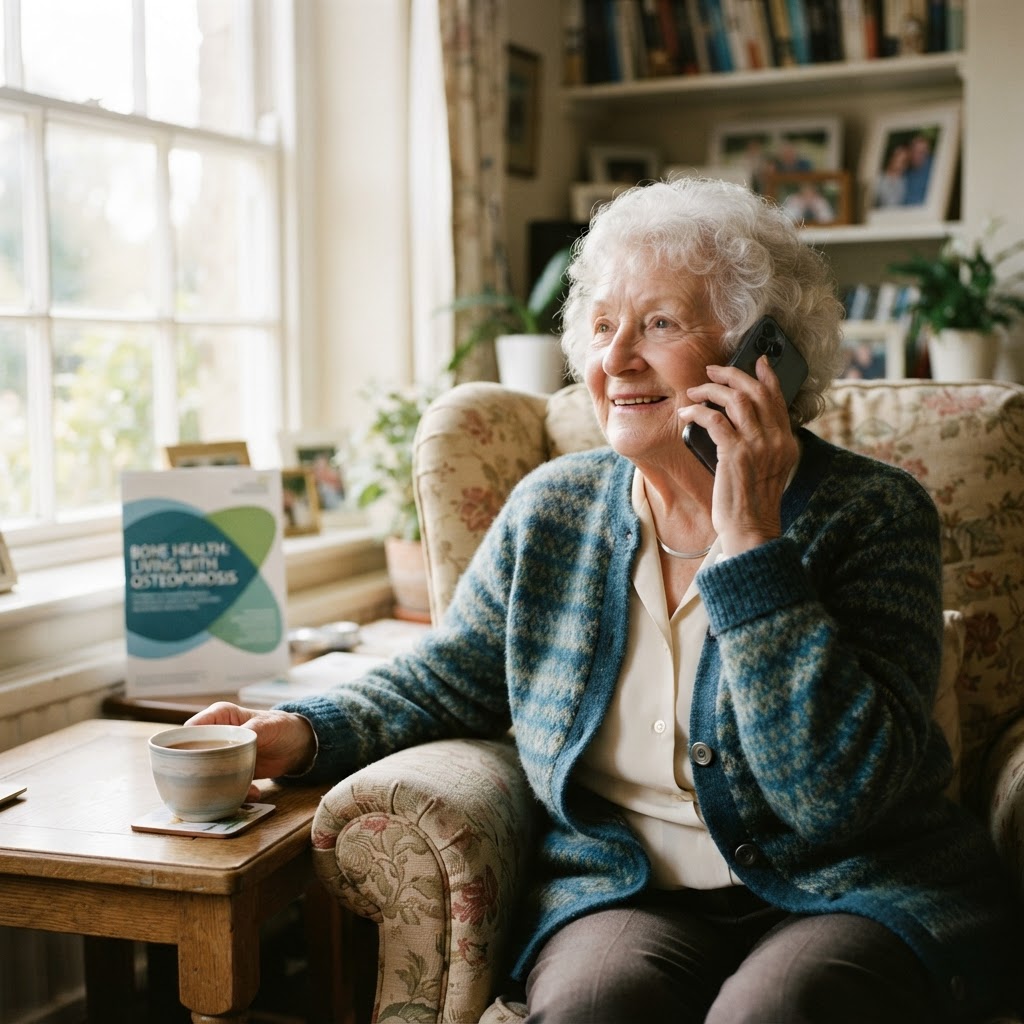
The Osteoporosis Pilot The pilot programme, currently focusing on patients diagnosed with osteoporosis, represents a nuanced approach to telemedicine. Unlike previous iterations of automated health messaging, which often relied on rigid, robotic scripts, Dora Care has been engineered with a primary directive: empathy. Researchers involved in the project have spent thousands of hours analysing human clinical interactions. This extensive observational data was used to train the AI to recognise emotional cues, adjust its tone of voice, and respond with the kind of nuance typically reserved for a clinical nurse or specialist.

Academic Rigour and Governance This initiative, backed by funding from Innovate UK, is a collaborative endeavour between Newcastle University and the University of York. The involvement of these institutions signals an intent to move beyond the rapid-fire tech development seen in the private sector, favouring instead a rigorous, evidence-based approach. The University of York has been tasked with the essential, if complex, challenge of constructing a bespoke safety framework. This governance structure is intended to act as a fail-safe, ensuring that the AI operates within strict clinical parameters while providing actionable data to the patient’s primary care team.

The Challenge of Empathy Dr Helena Vance, a lead researcher in the programme, notes that the integration of artificial intelligence into healthcare has historically suffered from a lack of human connection. The perception that automated systems are cold or dismissive remains a significant barrier to patient adoption. By shifting the focus towards natural language processing that mirrors human conversational patterns, the project team seeks to mitigate this alienation. The goal is to ensure that when a patient speaks with Dora Care, the interaction feels like a continuation of a professional medical relationship, rather than an encounter with a machine.

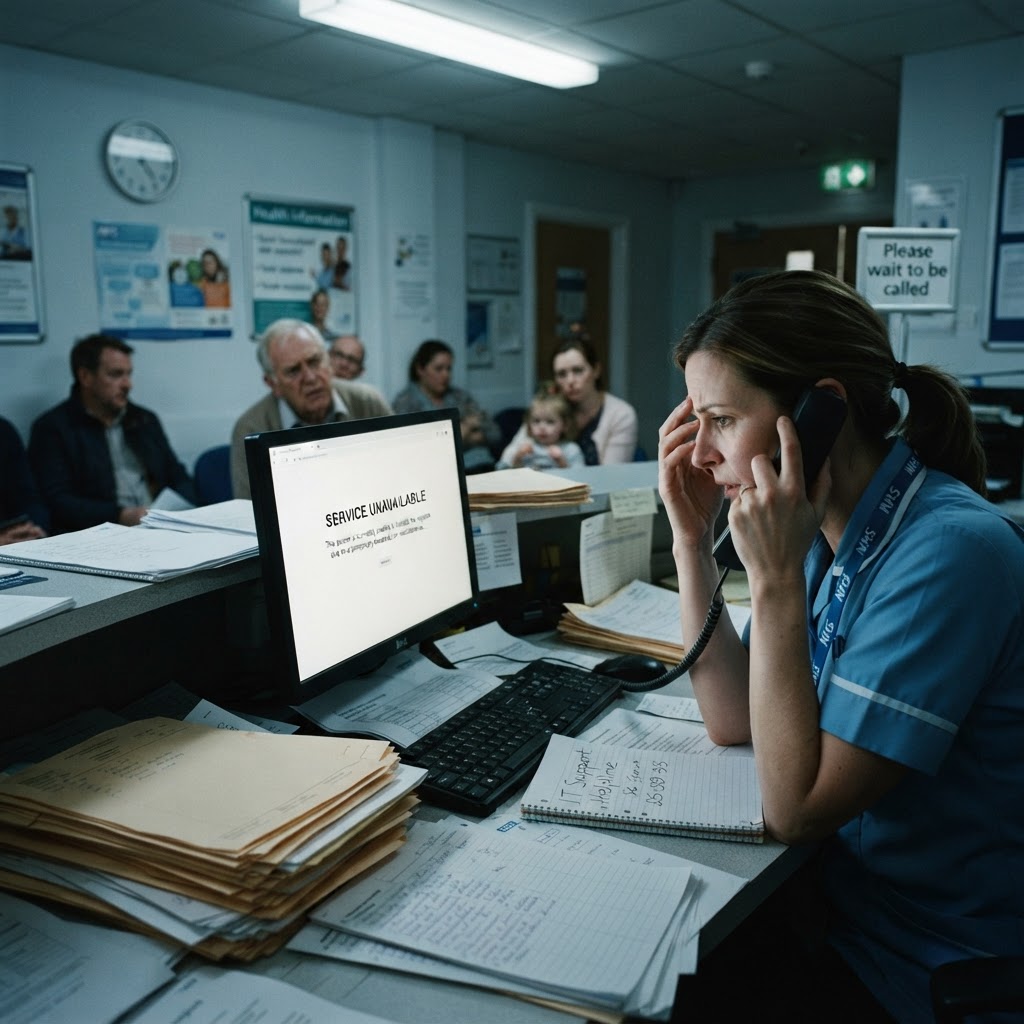
Integration into the NHS Ecosystem For an overburdened NHS, the potential efficiencies are clear. By automating routine check-ins, clinicians can redirect their time toward complex diagnostic tasks and patients with acute, high-risk needs. However, the success of this trial depends on more than just technological functionality. Integration with existing electronic health records remains a hurdle, as does the overarching question of public trust in automated diagnostic assistance. The UK's current regulatory climate, which emphasises safety and transparency in algorithmic decision-making, serves as a necessary backdrop for this experiment.

Looking Ahead As the trial progresses through the winter months of 2026, the data gathered from patients will be scrutinised for both clinical outcomes and psychological feedback. If Dora Care proves capable of maintaining, or even enhancing, the quality of patient communication, it may pave the way for a broader rollout. In a system stretched to its absolute capacity, the ability for a machine to provide a moment of clarity and care could prove to be the most significant medical innovation of the decade.

TopicsNHSArtificial IntelligenceHealth TechnologyOsteoporosisInnovationNewcastle UniversityUniversity of YorkTelemedicine
Share

About the Author

DK

Daniel Kim

Technology Editor

Daniel Kim reports for National Post UK with a focus on rigorous analysis and authoritative journalism — a trusted voice across British public life.

Reader Discussion · 11

Subscribers can join the conversation.

SUBSCRIBE TO COMMENT →
F
Fiona Campbell16 Nov

This sounds like a sensible use of AI. Freeing up staff from administrative tasks could be the key to tackling those dreadful waiting times that everyone is so worried about.

M
Mark Sterling16 Nov

We have seen similar IT projects in the NHS fail before due to poor implementation and legacy systems. Let us hope this trial is properly integrated rather than just another expensive gadget gathering dust.

E
Eleanor Rigby16 Nov

My worry is that the human touch will be further diluted. Healthcare is about empathy, not just data capture, and I fear we are losing that essential bedside manner to cold algorithms.

D
David Thorne16 Nov

Having spent time in hospital recently, I can tell you that the paperwork is an absolute mountain. If an AI system can accurately capture observations, it might actually make a difference to the care on the wards.

S
Sarah Jenkins16 Nov

I am concerned about patient privacy here. While the efficiency is tempting, how can we be sure that sensitive clinical discussions are not being stored or misused by third-party tech firms?

A
Arthur Penhaligon16 Nov

Anything that helps our hardworking nurses and doctors spend more time with patients rather than typing up notes is a step in the right direction. It is about time the NHS embraced technology to improve efficiency.

M
Marcus Sterling16 Nov

My concern is the reliability of voice recognition in a busy, noisy ward environment. Patients are often distressed or struggling to speak clearly, and I worry about the potential for critical errors in transcription.

E
Eleanor Rigby16 Nov

Technology like this is exactly how we modernise a system that is currently creaking under the pressure of an ageing population. As long as it is an aid and not a replacement for human judgment, it seems like a sensible evolution.

D
David Thorne16 Nov

Having worked in the NHS for twenty years, I have seen plenty of these shiny new toys introduced with much fanfare only to be scrapped a year later. We need more staff on the floor, not more software.

S
Sarah Jenkins16 Nov

I have reservations about the privacy implications of having a listening device in a hospital ward. Our medical records are sensitive enough without adding AI monitoring into the mix.

A
Arthur Penhaligon16 Nov

Anything that eases the administrative burden on our nurses has to be a step in the right direction. If this technology can free up time for actual patient interaction, I am all for it.

More from Technology

Most Read in Technology

Morning Briefing

The day's top stories, before 7am

Join 40,000 readers who start their morning with National Post UK.