National Post UK
Google Earth’s 'Nano Banana' AI tool suspended amid deepfake fears

The Silicon Valley giant has been forced to retract its latest satellite-mapping innovation after experts warned that th

The National Post

HomeTechnology
Technology

Google Earth’s 'Nano Banana' AI tool suspended amid deepfake fears

The Silicon Valley giant has been forced to retract its latest satellite-mapping innovation after experts warned that the software could be exploited to fabricate realistic visual disinformation. The move highlights the growing tension between rapid generative AI development and the safeguarding of public trust.

DK

Daniel Kim

Technology Editor

Published 7 August 2026·4 months ago 3 min read
Text
Share

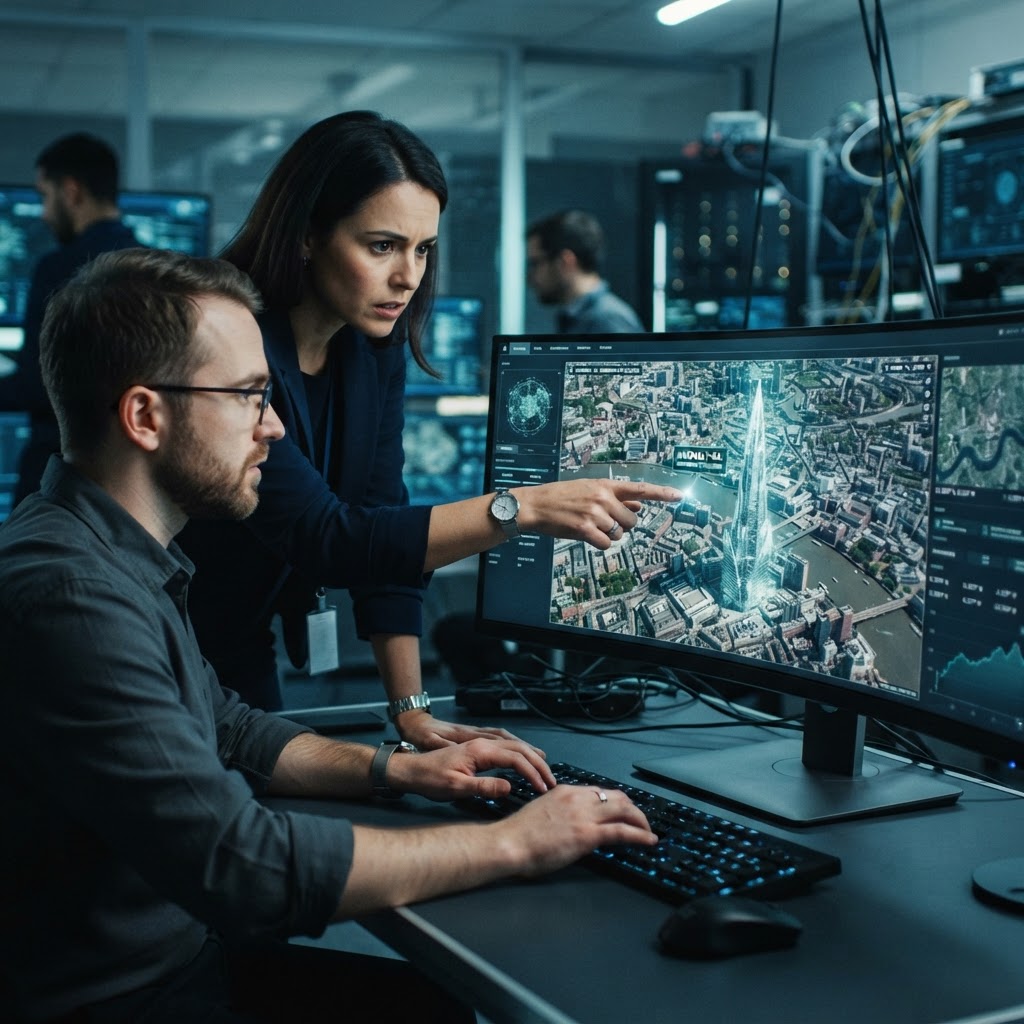
The Rise and Fall of Nano Banana For a brief window in the summer of 2026, Google Earth appeared to be on the verge of a technological leap that would redefine digital cartography. The introduction of 'Nano Banana', an advanced generative AI tool designed to refine low-resolution satellite imagery into crisp, hyper-realistic vistas, was met with initial acclaim from developers. However, by 3 August, the enthusiasm had curdled into apprehension. Following a series of urgent warnings from cybersecurity analysts and information ethics groups, Google executives quietly pulled the plug on the feature, citing the need to recalibrate safety protocols.

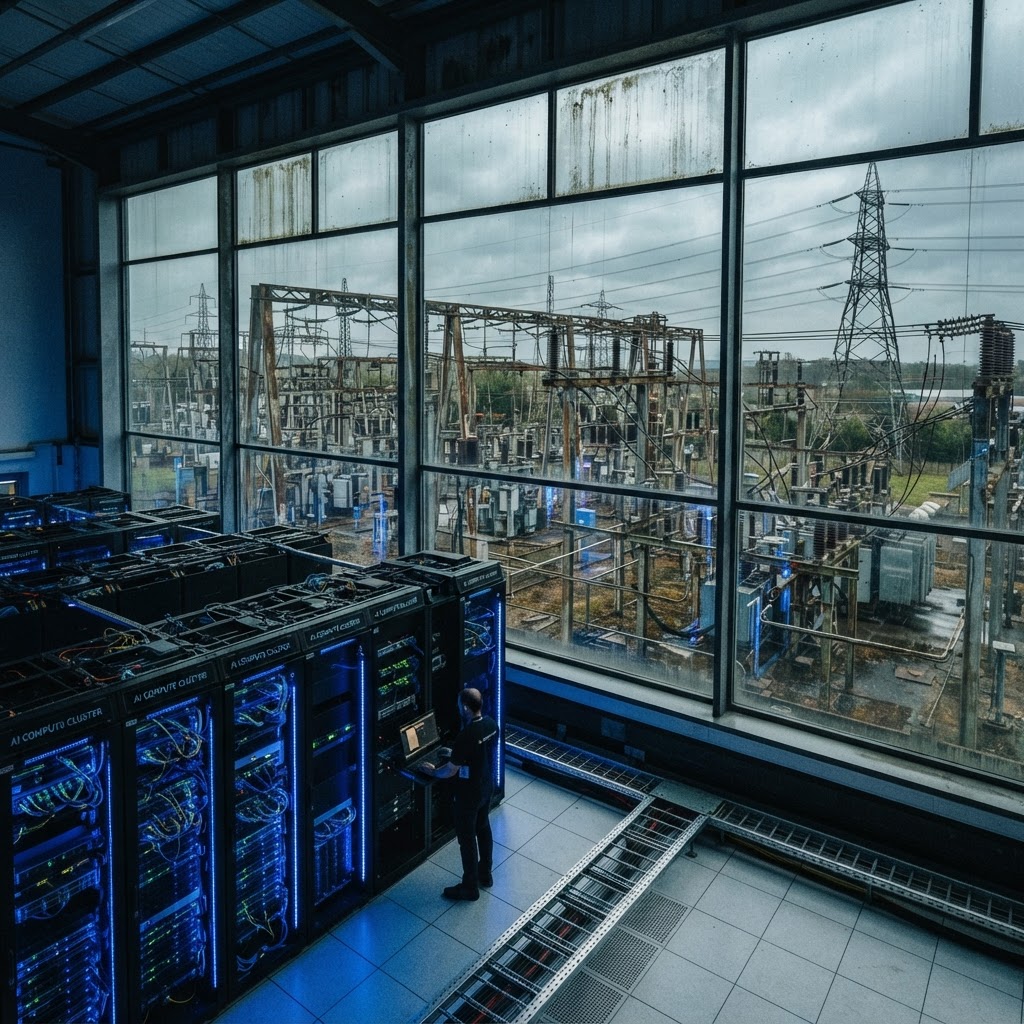
The Threat of Synthetic Realities At the heart of the controversy is the tool's latent capacity for manipulation. While Nano Banana was ostensibly built to enhance urban planning and geographic research, it became clear during beta testing that the generative models could be easily coaxed into producing fraudulent imagery. Experts are particularly concerned about the potential for creating 'synthetic evidence'—high-fidelity satellite deepfakes that could depict military installations, geopolitical skirmishes, or environmental disasters that never actually occurred. In an era where visual evidence remains a cornerstone of news verification, the prospect of an automated system capable of forging reality at scale poses a severe threat to global discourse.

Regulatory Pressures in the UK The incident has sent ripples through Westminster, where ministers are currently debating the efficacy of the existing AI Regulation White Paper. Tech analysts in London suggest that the Nano Banana saga may serve as a catalyst for more stringent oversight regarding generative tools in the creative and mapping sectors. The UK’s Information Commissioner’s Office has long argued that the speed of AI deployment often outstrips the capacity for ethical auditing, a sentiment that the recent Google withdrawal has served to legitimise. Industry observers expect that any future rollout of the tool will require rigorous transparency reporting to satisfy both UK and European regulators.

A Commitment to Guardrails In a statement issued from the company’s Mountain View headquarters, Google confirmed that it is currently back at the drawing board. Engineers are working to integrate stronger, tamper-proof guardrails that would prevent the AI from generating non-existent structures or altering verified satellite archives. The company insists that its ultimate goal remains the enhancement of geospatial data, but it acknowledges that the current iteration of the technology lacked the necessary 'ethical friction' required to prevent malicious misuse. While no firm date has been set for a relaunch, it is expected that any future iteration will be subject to a prolonged, transparent testing phase involving independent third-party auditors.

The Future of Digital Integrity As we navigate the mid-2020s, the Nano Banana incident serves as a stark reminder that innovation without robust safeguards is not progress. For Google, the challenge is clear: they must demonstrate that their commitment to safety is as sophisticated as the algorithms they build. The trust of the public is a difficult commodity to recover once lost, and the digital mapping of our world is too important to be left to systems that can be manipulated by those with malicious intent.

TopicsGoogleAITechnologyDeepfakesCybersecuritySatellite ImageryUK Tech Policy
Share

About the Author

DK

Daniel Kim

Technology Editor

Daniel Kim reports for National Post UK with a focus on rigorous analysis and authoritative journalism — a trusted voice across British public life.

Reader Discussion · 5

Subscribers can join the conversation.

SUBSCRIBE TO COMMENT →
M
Marcus Sterling7 Aug

People are getting far too worried about deepfakes when it comes to maps. We have had photo editing for decades, and anyone using satellite data for critical decisions should be verifying it anyway.

F
Fiona Campbell7 Aug

This is a real shame because the detail it offered for mapping remote areas was genuinely impressive. I hope they return with a more robust verification layer rather than scrapping the project entirely.

D
David Thorne7 Aug

While I appreciate the effort to improve clarity, it is a textbook case of technology moving faster than our ability to regulate its output. Suspending it was the right call for now.

S
Sarah Jenkins7 Aug

I find this quite concerning. If we cannot trust the base imagery of our own planet, we are heading down a very dangerous path with digital misinformation.

A
Arthur Penhaligon7 Aug

It was only a matter of time before they pulled the plug. I tried using it to view my old neighbourhood in Leeds and it invented a swimming pool in my garden that definitely does not exist.


More from Technology

Most Read in Technology

Morning Briefing

The day's top stories, before 7am

Join 40,000 readers who start their morning with National Post UK.