National Post UK
The Great English Monopoly: How Premier League Spending Reached Uncharted Territory

A staggering £3.49bn outlay this summer has confirmed the English top flight as a financial ecosystem unto itself. As Ip

The National Post

HomeSport
Sport

The Great English Monopoly: How Premier League Spending Reached Uncharted Territory

A staggering £3.49bn outlay this summer has confirmed the English top flight as a financial ecosystem unto itself. As Ipswich Town competes with the giants of the continent, questions regarding sustainability and the widening inequality of the global game grow louder.

FS

Fiona Shaw

Sports Correspondent

Published 20 September 2026·24 days ago 3 min read
Text
Share

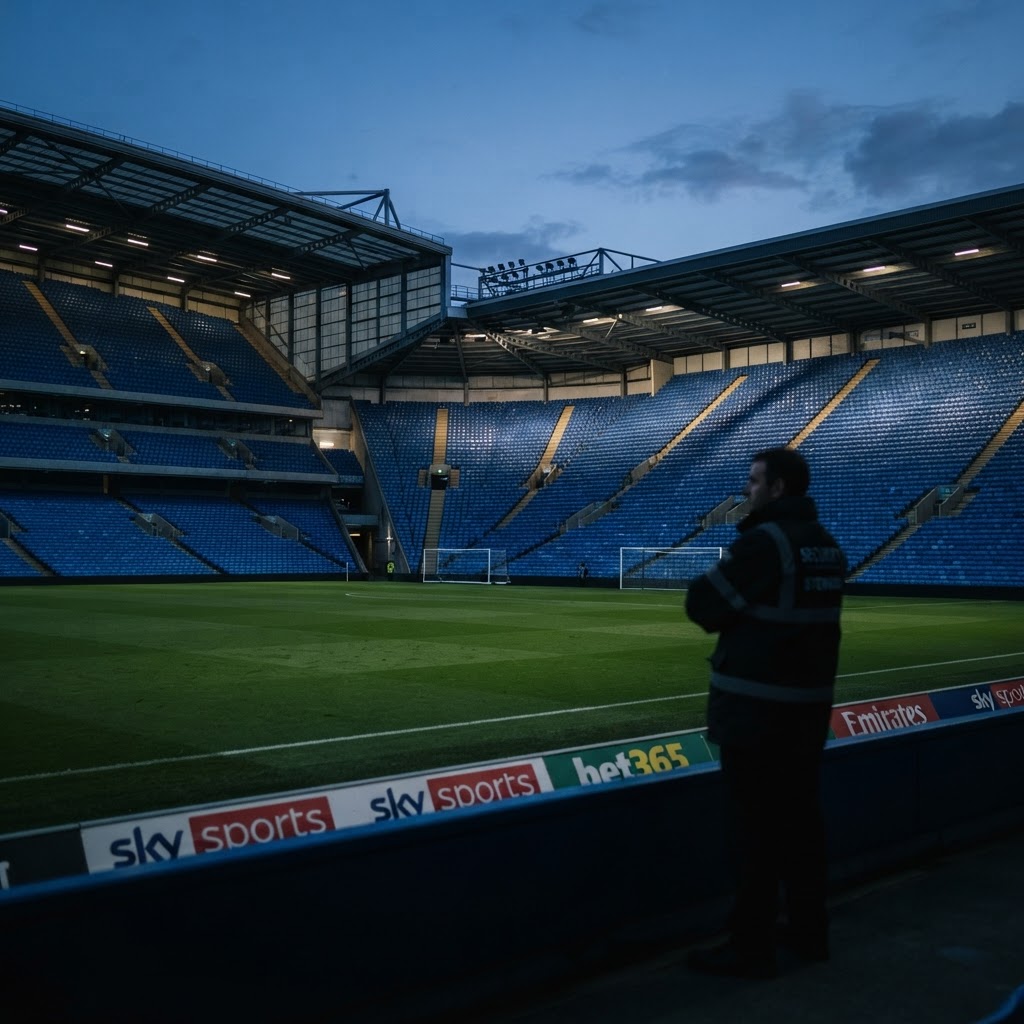
The Architecture of Excess In the quiet aftermath of the summer transfer window, the numbers remain as dizzying as the frenzy that preceded them. Premier League clubs have collectively parted with £3.49bn in pursuit of on-pitch superiority, a figure that places the English game in a fiscal galaxy far removed from its continental neighbours. This is not merely an incremental increase; it is an epochal shift in football economics. When compared to the £1.13bn spent just five years ago, the scale of expansion borders on the incomprehensible.

Deadline Day Drama The final day of trading served as the ultimate testament to the Premier League’s voracious appetite. With £506.5m exchanged in a frantic twenty-four-hour period, clubs demonstrated an uncompromising resolve to bolster their squads before the registration deadline. This late-window volatility underscored the premium placed on urgency, where desperation meets deep pockets. It is a theatre of high-stakes gambling, where the risk of failure is balanced against the immense financial rewards of European qualification or the simple survival of top-tier status.

A New Financial Hierarchy Perhaps most illustrative of this shifting landscape is the expenditure profile of the league’s newcomers. Ipswich Town, having only recently ascended to the Premier League, managed an outlay that eclipsed the transfer budgets of European titans such as Barcelona, AC Milan, and Juventus. Such statistics do not merely signal a change in the pecking order; they suggest a fundamental realignment of the European football hierarchy. The ability of a promoted English club to outmanoeuvre historic continental powerhouses is a symptom of the lucrative domestic and international broadcast deals that underpin the Premier League’s dominance.

Global Market Disruption The impact of this capital influx is not contained within the United Kingdom. With three of the ten most expensive signings in the history of the sport occurring within this single window, the Premier League has effectively dictated the market price for elite talent globally. This concentration of wealth centralises the world’s most coveted players in English stadiums, leaving the historic institutions of Serie A, La Liga, and the Bundesliga to scramble for the remaining scraps. While fans cheer the arrival of global stars, analysts remain wary of the inflationary pressure this imposes on the wider footballing economy.

The Sustainability Conundrum Beneath the veneer of glamour lies an increasingly complex conversation regarding financial sustainability. With spending showing no signs of plateauing, regulators are under renewed pressure to ensure that the pursuit of excellence does not imperil the long-term stability of the clubs involved. The divergence between the Premier League and the rest of the world is now so pronounced that English football is often discussed as a separate product entirely. Whether this disparity serves to elevate the quality of the spectacle or serves as a precursor to a more fractured European landscape remains the defining question for the coming decade.

TopicsPremier LeagueFootball FinanceTransfer WindowIpswich TownEuropean Football
Share

About the Author

FS

Fiona Shaw

Sports Correspondent

Fiona Shaw reports for National Post UK with a focus on rigorous analysis and authoritative journalism — a trusted voice across British public life.

Reader Discussion · 5

Subscribers can join the conversation.

SUBSCRIBE TO COMMENT →
E
Elizabeth Croft20 Sept

It is essentially an arms race at this point. Unless there is a proper independent regulator with teeth, we are just going to see this bubble continue to inflate until something eventually breaks.

M
Marcus Vane20 Sept

I stopped going to matches regularly years ago because the ticket prices kept rising to fund these wages. The game has lost its connection with the local community, and it is a real shame to see.

D
David Thorne20 Sept

People often forget that this money flows down through the pyramid. Without the massive TV deals and high spending at the top, the lower leagues would be in a far more precarious state than they are already.

S
Sarah Jenkins20 Sept

The Premier League is the most watched entertainment product on the planet, so naturally the money follows. If the clubs have the revenue to sustain it, why shouldn't they spend it on the best talent?

A
Arthur Penhaligon20 Sept

It is getting absolutely ridiculous now. How can these clubs justify spending billions when so many grassroots facilities are crumbling across the country?

More from Sport

Most Read in Sport

Morning Briefing

The day's top stories, before 7am

Join 40,000 readers who start their morning with National Post UK.