The Billion-Pound Hegemony: Premier League Financial Might Redefines Global Football
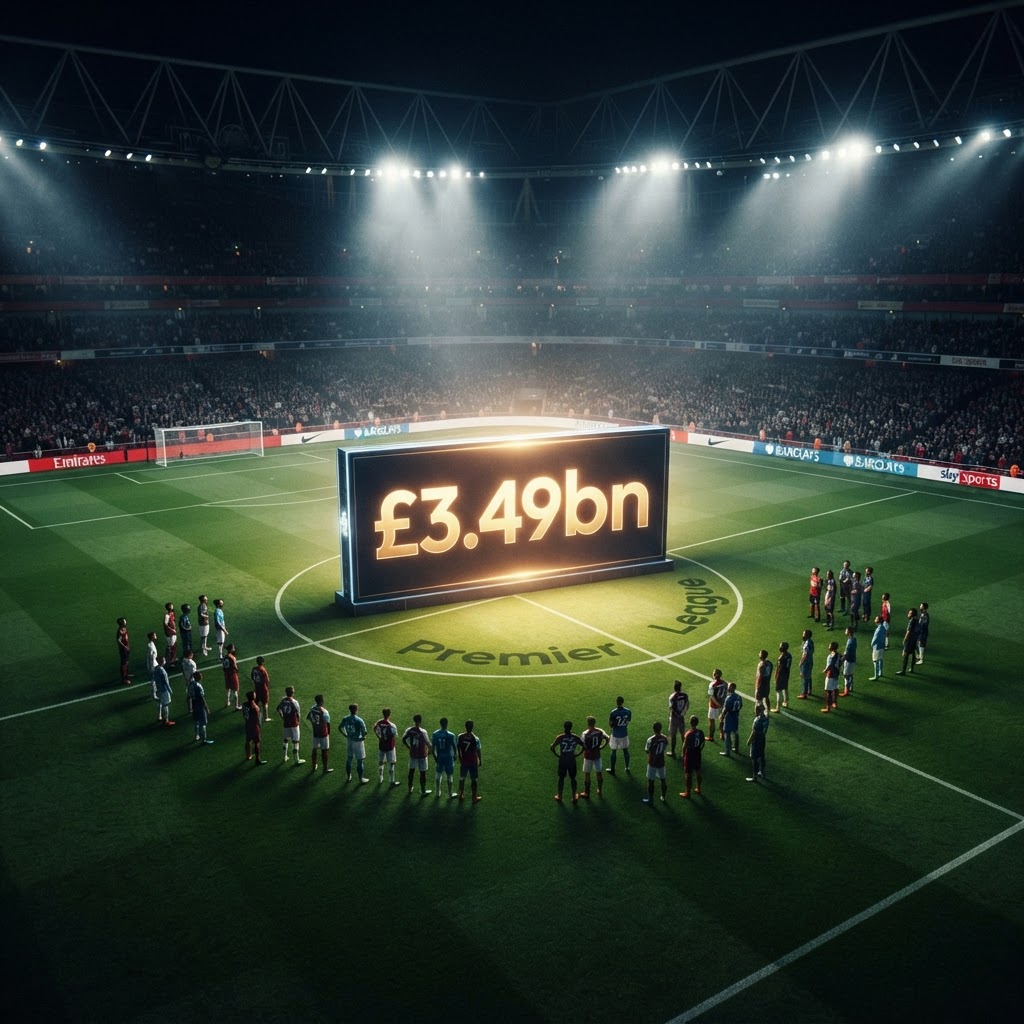
English top-flight clubs have shattered all historical precedents with a staggering £3.49bn summer outlay. This unprecedented investment signals a widening chasm between the Premier League and the continent's traditional elite.
FS
Fiona Shaw
Sports Correspondent
Published 24 September 2026·about 1 month ago 3 min read
Text
TopicsPremier LeagueFootball FinanceTransfer MarketSport BusinessEnglish Football
About the Author
FS
Fiona Shaw
Sports Correspondent
Fiona Shaw reports for National Post UK with a focus on rigorous analysis and authoritative journalism — a trusted voice across British public life.
Reader Discussion · 5
Subscribers can join the conversation.
SUBSCRIBE TO COMMENT →R
Rebecca Sterling24 Sept
It feels like the soul is being sucked out of the game. My club used to be a community hub, but now it feels more like a vehicle for global investment firms and sovereign wealth funds.
J
James O'Connell24 Sept
People complain about the money, but it has turned the Premier League into a global juggernaut that brings billions into the UK economy. It is basic economics at this point.
D
David Thorne24 Sept
I worry about the long-term impact on our local youth academies. When a club can just pay fifty million for a foreign teenager, there is very little incentive to invest time in the lad playing for the local borough team.
S
Sarah Jenkins24 Sept
While the spending is clearly unsustainable for some, you cannot deny the quality on display every weekend. It is the best entertainment product in the world, and that is exactly why the money flows in.
A
Arthur Penhaligon24 Sept
It is getting ridiculous now. You look at the wage bills of mid-table sides and it just makes the rest of the European leagues look like Sunday pub teams by comparison.