
Search
Search The National Post UK
6 results for "Cost of Living Utility Bill Cap"

Threadneedle Street Holds Steady as Geopolitical Shadows Lengthen
The Monetary Policy Committee has maintained interest rates at 3.75 per cent, yet a clear shift in rhetoric suggests a tightening cycle could be imminent. Analysts warn that the deepening crisis in the Middle East poses a significant threat to the Bank’s inflation mandate.
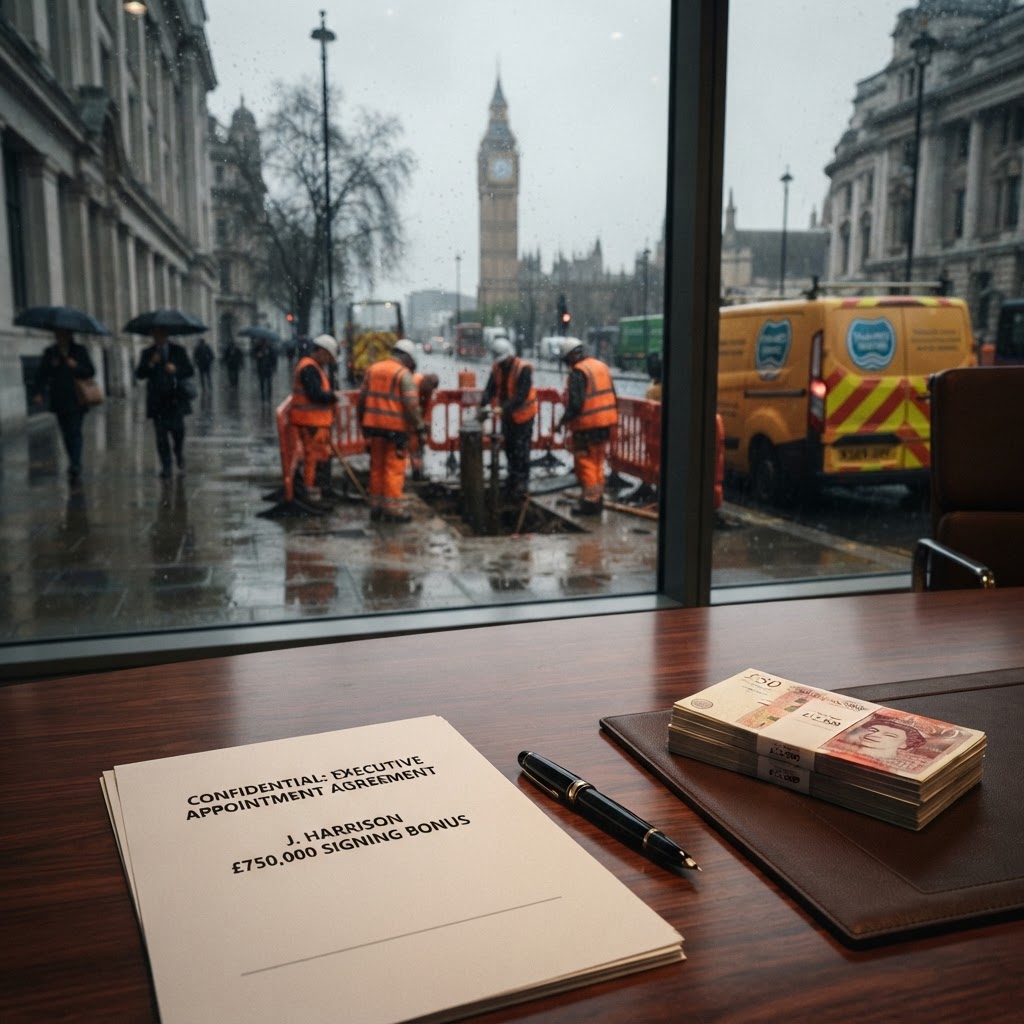
Thames Water’s £1m Golden Hello Triggers Fresh Outcry Amid Utility Crisis
As the beleaguered water giant grapples with precarious finances and mounting debt, the decision to offer a seven-figure signing-on bonus to its new finance director has sparked a firestorm of criticism from regulators and consumer groups alike.

Threadneedle Street Braces for Inflationary Headwinds as Rates Hold Steady
As CPI figures retreat to a thirteen-month low, the Bank of England is expected to maintain its hawkish stance this Thursday. Policymakers remain cautious, however, as energy price caps threaten to reignite cost-of-living pressures later this year.

Cost-of-Living Squeeze Eases as Inflation Slips to 15-Month Low
Consumer prices grew at a slower rate of 2.6 per cent in June, defying City forecasts. While the retreat in fuel costs provides a welcome respite for households, analysts warn that the reprieve may prove fleeting as energy tariffs prepare to climb once more.

Inflation Retreats to 2.6% as Whitehall Faces Monetary Crossroads
The latest Consumer Prices Index figures offer a momentary reprieve for the Burnham administration. However, with energy costs poised to climb, the Bank of England faces a precarious path toward the July rate decision.

Bank of England Holds Steady Amid Rising Energy Concerns and Inflation Pressures
In a decisive move reflecting heightened geopolitical tensions, the Bank of England's Monetary Policy Committee opted to maintain interest rates at 3.75%. As Middle East conflicts push energy prices, markets react with caution, recalibrating forecasts for economic stability.
Premium Access
Unlimited access to all our journalism
Subscribe to read every article, including subscriber-only investigations.
Subscribe from £9.99/mo