
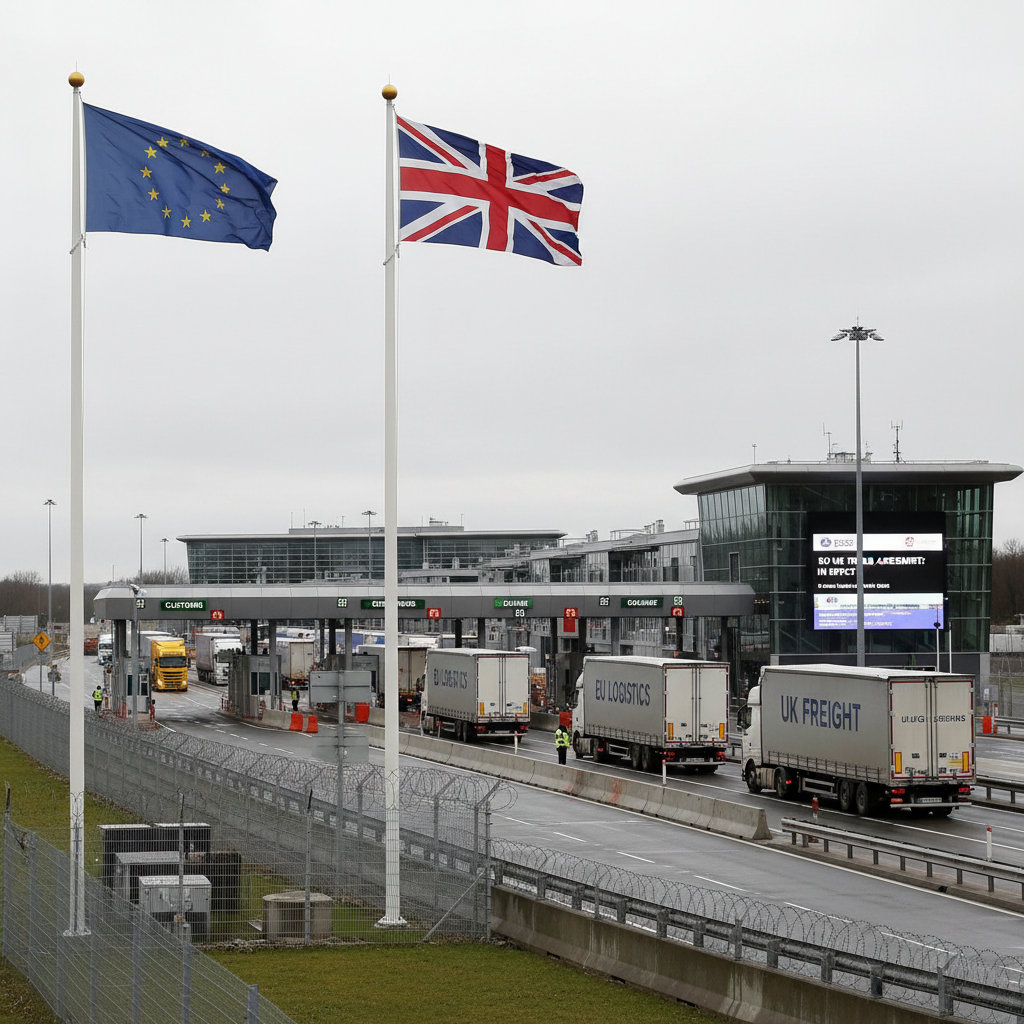
The United Kingdom and the European Union have struck a significant new food trade agreement that will effectively bring to an end the long-running post-Brexit dispute over the movement of agricultural products across the Channel — a row that became memorably known as the 'sausage wars'.
Under the deal, whose first details were published on Wednesday, physical checks and the associated mountains of paperwork on UK exports of dairy products, eggs, fish and fresh red meat to the European Union will be scrapped from the summer of 2027. The agreement represents the most substantial easing of trade friction between Britain and its largest trading partner since the UK formally left the EU's single market.
The deal has been framed by Downing Street as a centrepiece of the government's broader EU reset strategy — an attempt to rebuild pragmatic economic relationships with European partners while maintaining the fundamental architecture of Brexit. Trade Secretary Jonathan Reynolds described it as a win for British farmers, food manufacturers and consumers, who have all borne the costs of post-Brexit border friction.
“The deal goes considerably further than any previous arrangement, extending simplified trade procedures across a wide range of agricultural products.”
The original sausage war erupted in the immediate aftermath of Brexit when the EU threatened to impose strict veterinary checks on chilled meat products from Great Britain entering Northern Ireland under the terms of the Northern Ireland Protocol. The row became a symbol of the broader dysfunction surrounding the post-Brexit settlement and contributed to years of tense diplomatic exchanges.
The new agreement, negotiated as part of the UK's ongoing diplomatic reset with Brussels, goes considerably further than any previous arrangement, extending simplified trade procedures across a wide range of agricultural products. Crucially, it applies to Great Britain-EU trade as well as the Northern Ireland dimension, meaning British food exporters across the country stand to benefit.
Critics from the Eurosceptic wing of British politics have objected that the deal requires the UK to align with EU food safety standards — a degree of regulatory convergence they argue undermines the country's post-Brexit freedom to set its own rules. Ministers have dismissed these concerns, arguing that alignment with EU standards in food safety is in British consumers' interests regardless of geopolitics.