
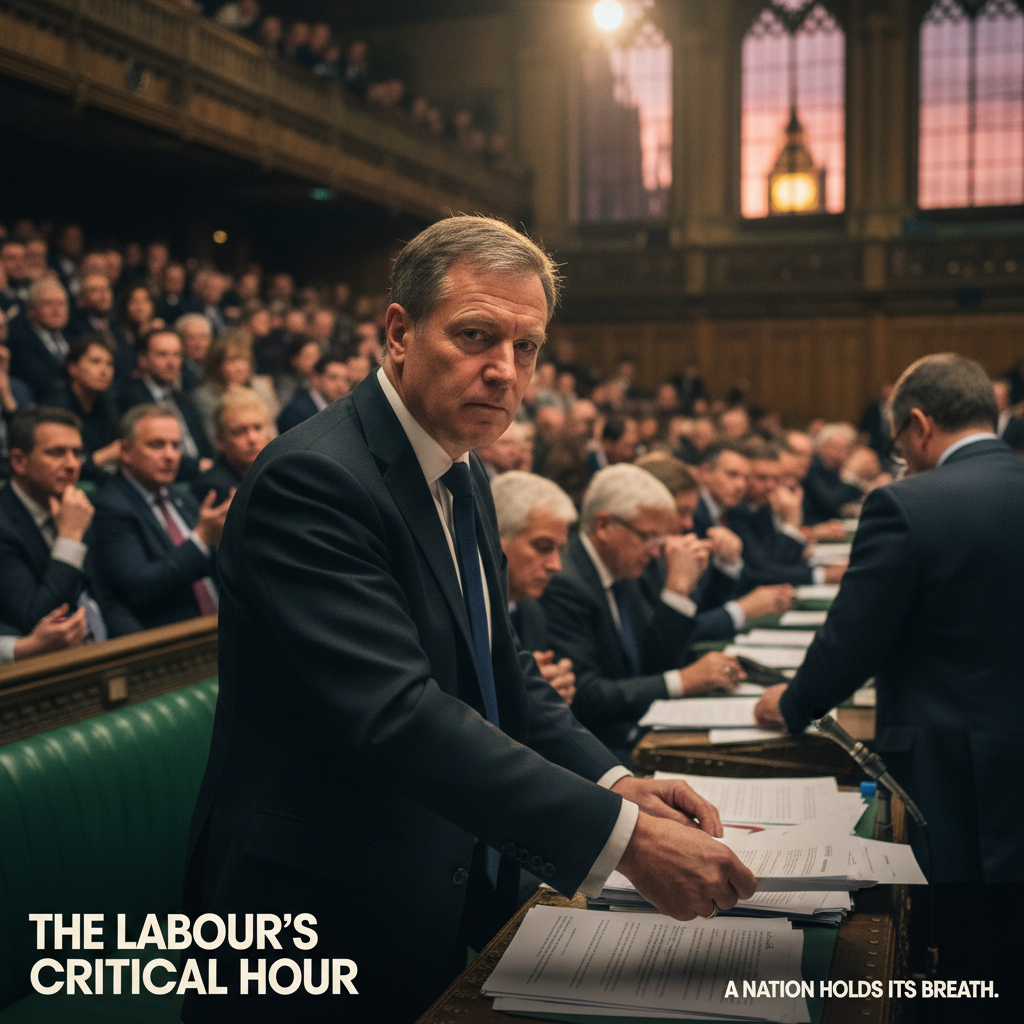
Today marks a critical juncture for Keir Starmer as the House of Commons embarks on an in-depth review of the government’s proposed Health Bill. The scrutiny unfolds against a backdrop of severe internal strife within the Labour Party, with over 95 MPs calling for Starmer’s head amid plummeting approval ratings and a recent electoral debacle. This pivotal day for the government reveals not just a policy under examination, but also the stark reality of leadership challenges faced by Starmer as he navigates turbulent political waters.
The introduction of the Health Bill has sparked fresh tension within Labour, coming at a time when the party is already troubled by significant fractures. A recent poll indicates Starmer’s approval rating has plummeted to a record low of -57, distressingly reminiscent of the political disintegration seen within the Conservative Party prior to their 2022 downfall. As the government grapples with this alarming statistic, the ramifications of such public sentiment are magnified by the recent resignation of Health Secretary Wes Streeting, a move that has left the party reeling.
The Context of Crisis
The local elections held last month marked a catastrophic turning point for Labour, where many anticipated significant gains but instead witnessed disheartening losses. This failure has intensified calls for Starmer's resignation, fuelled further by reports of dissatisfaction among his MPs. With more than 95 members of the Parliamentary Labour Party openly demanding either his resignation or a clear timeline for his departure, it’s apparent that discontent is festering at the highest levels.
“Politics often rewards the brave, but right now, it seems Starmer’s bravado is not matching the urgency of the challenges he faces.”
"The party is losing faith in Starmer’s ability to lead effectively," says Dr Samantha Reed, political analyst at the Institute for Contemporary British Politics. "The combination of election losses, coupled with low approval ratings and internal dissent, puts immense pressure on his leadership. The ongoing discussions around the Health Bill only serve to highlight these issues."
Political Dynamics in Focus
Amid these challenges, all eyes turn towards Andy Burnham, the popular Mayor of Greater Manchester, who seems poised to leverage the upcoming Makerfield by-election on June 18 as a potential launching pad for a formal leadership challenge. Observers note that Burnham has considerable grassroots support and a compelling narrative, navigating through his role in local governance, which may resonate deeply with Labour’s base that craves genuine leadership.
Burnham’s candidacy could unify various factions within the party, providing an alternative to Starmer’s beleaguered leadership. "If Burnham enters the race, it will not only escalate the stakes for Starmer, but could effectively reshape the political landscape of the Labour Party," affirms political strategist Charles Hargreaves. Should Burnham secure the Makerfield seat, his endorsement may facilitate a wider coalition of support against Starmer’s leadership.
Challenges Ahead
The scrutiny of the Health Bill itself presents another layer of obstacles for Starmer. As parliamentarians assess proposals that aim to restructure the NHS amidst ongoing financial pressures, dissenting voices both within and outside the party argue that the plan is muddled and insufficient to meet the pressing health needs of the nation. Labour, having championed the NHS as a key tenet of its identity, now finds its credibility at stake.
Skepticism surrounding the bill is palpable. MP Sarah Mitchell, a vocal critic within her own party, stated, "This Health Bill does not adequately address the systemic issues plaguing our healthcare system. We need a leader who can advocate for true reform rather than merely tinker around the edges." Her sentiments echo the far-reaching doubts among her colleagues that the bill will fail to resonate with the electorate.
A Precarious Moment
Starmer’s impending battle over the Health Bill is not merely about policy; it is emblematic of his broader struggles to maintain authority amidst intensifying calls for change within Labour. The Prime Minister must not only defend the legislation but also, effectively, his premiership. Surrounded by a restive party, critical media scrutiny, and wavering public confidence, he must demonstrate capability at an occasion when many within his own ranks openly question that very capability.
As the Commons engages in spirited debate, the resolution of these internal conflicts remains uncertain, but one thing is clear: 2026 presents a defining moment for Starmer, where the outcomes of today could determine not only the fate of the Health Bill but also the very future of his leadership.
Indeed, as Dr Reid cogently observes, "Politics often rewards the brave, but right now, it seems Starmer’s bravado is not matching the urgency of the challenges he faces." Ultimately, in navigating these stormy political seas, Starmer’s capacity to unite his party, re-establish public trust, and push forward the Health Bill may well dictate his survival as leader of the Labour Party.