Today, MPs gathered for the inaugural session of the Public Bill Committee, tasked with scrutinising the Health Bill 2026—a legislative proposal that heralds one of the most significant upheavals in the National Health Service (NHS) in over a decade. Introduced to Parliament last month, the bill aims to abolish NHS England (NHSE) as an arm's-length body, transferring its functions and planning responsibilities directly to the Secretary of State for Health and Social Care.
The implications of this move cannot be understated. Proponents argue that centralising power will streamline decision-making processes and enhance the responsiveness of healthcare provision, enabling a more coordinated approach among local Integrated Care Boards (ICBs). However, critics are raising alarms about the potential erosion of public accountability and oversight.
The Vision for a 'Single Patient Record'
At the heart of the proposed legislation is the creation of a 'Single Patient Record' system. This initiative seeks to mandate that all healthcare providers—including general practitioners, hospitals, and other services—share patient data within a unified digital framework accessible to both clinicians and patients. The government asserts that this would improve care continuity and enable better, data-driven clinical decisions.
“"While the intention behind a Single Patient Record is laudable, the legal mandate raises concerns about data privacy and the accessibility of information."”
Dr Helen Ransom, a health policy analyst at the Health Foundation, expressed mixed feelings about the proposal, stating, "While the intention behind a Single Patient Record is laudable, the legal mandate raises concerns about data privacy and the accessibility of information. We must ensure that the centralisation of data does not compromise patient autonomy or trust."
Abolition of Healthwatch Sparks Controversy
Another contested element of the bill is the proposed abolition of Healthwatch, the independent watchdog that represents patient and public interests within the NHS. Healthwatch's removal has drawn considerable ire from various health organisations, with the Local Government Association warning of a potential loss of independent oversight at a crucial time for the NHS.
"Healthwatch plays a vital role in ensuring that patient voices are heard in the planning and quality of care delivery. Its dissolution risks sidelining the public's needs in favour of political agendas," commented Judith Rinsler, a spokesperson for the Local Government Association. This sentiment has resonated with many MPs, who are keenly aware of the sensitive balance between efficiency and accountability in public health.
Context of Industrial Action
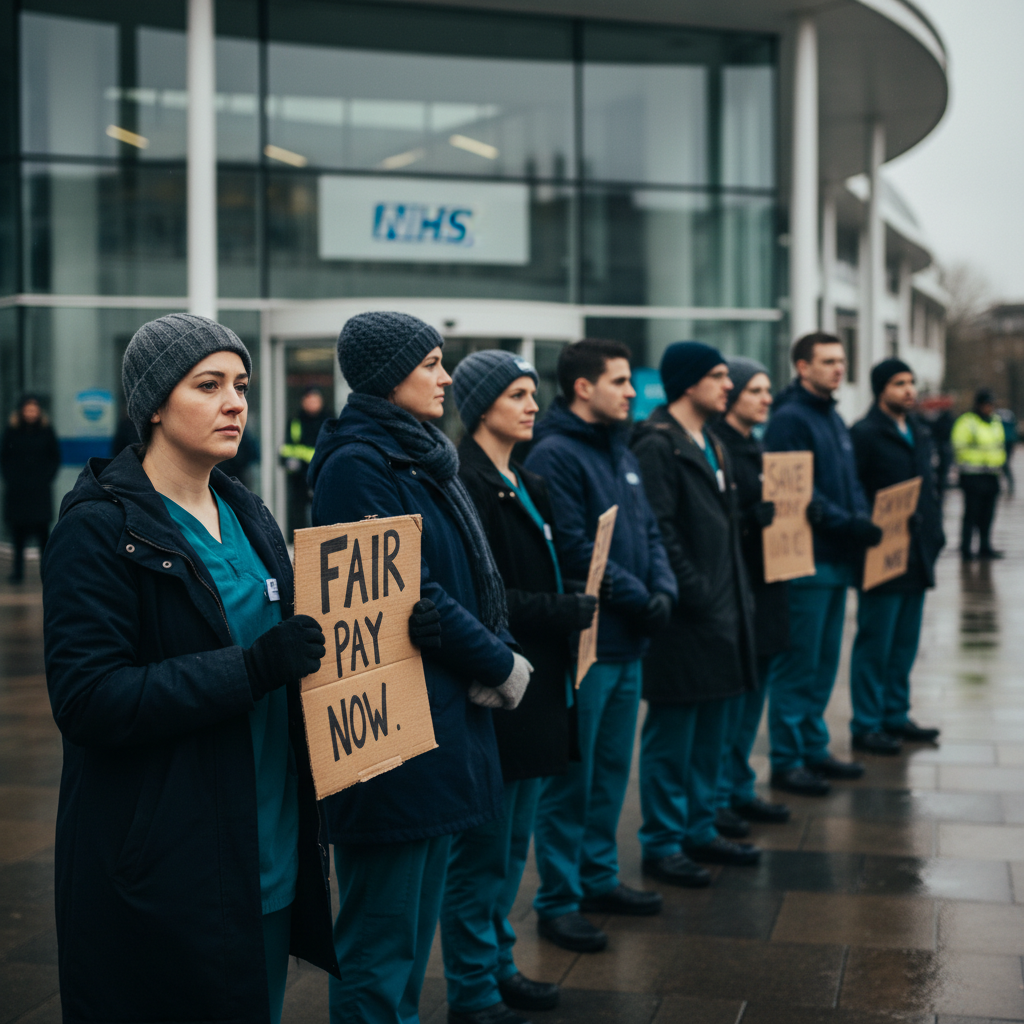
The scrutiny of the Health Bill comes amidst escalating tensions within the NHS, underscored by concurrent industrial action by resident doctors. The strike, which began yesterday and is anticipated to last until Friday morning, underscores the unrest within the sector, highlighting deeper concerns over working conditions and staffing shortages.
Dr Samir Patel, a junior doctor participating in the strike, expressed his concerns regarding the reforms, stating, "While we fight for better conditions, the radical restructuring proposed by this bill threatens to further undermine the NHS's core values of accessibility and patient-centred care. It feels like the government is prioritising bureaucratic control over genuine improvements in services." This perspective resonates with fears that accountability to the public and frontline healthcare workers may diminish with the new centralised structure.
Political Reactions and Implications
The response from political parties has been predictably divided. The ruling government contends that the reforms are necessary to modernise healthcare delivery amidst rising demand and financial constraints exacerbated by the COVID-19 pandemic. In contrast, opposition parties have decried the bill as an affront to the founding principles of the NHS, labelling it a move toward privatisation disguised as reform.
Shadow Health Secretary Emily Thornberry stated, "This bill is a thinly veiled attempt to strip away the protections that have served the NHS and its patients for generations. It is paramount that we maintain the integrity of our healthcare system, ensuring it remains publicly accountable and responsive to those it serves." Her comments reflect a widespread anxiety among constituents who fear that a weakened NHS will impact their access to essential services.
Looking Ahead
As the Public Bill Committee embarks on its detailed examination of the Health Bill 2026, the coming weeks will prove critical in shaping the future of the NHS. With a backdrop of industrial action, increasing public scrutiny, and bifurcated political sentiment, the committee's decisions will either reinforce or radically alter the structure of healthcare in England.
Despite minimising the role of independent oversight and fuelling existing controversies, the government remains resolute in its vision for a more integrated and efficient NHS structure. However, as calls for broader public input on these reforms intensify, it is clear that the path ahead remains fraught with challenges and demands for accountability.