British shop price inflation remained unchanged at 1.2% in June 2026, providing a welcome respite for households who have faced escalating costs in recent months. The latest figures from the British Retail Consortium (BRC) and NielsenIQ (NIQ) indicate that while the inflation rates for general shop prices held steady, food inflation retreated to 2.4%, the lowest level recorded since March 2025. This cooling of food prices is particularly noteworthy, as it aligns with a broader trend of declining inflation across the economy.
The findings come at a critical juncture for UK consumers, who are grappling with the financial repercussions of recent economic shifts. In May, new mortgage borrowing fell to £2.9 billion, the lowest level in over a year, suggesting that consumer confidence may be waning amid rising interest rates and persistent economic uncertainty. A few members of the Bank of England's Monetary Policy Committee have voiced support for a rate hike to 4% in response to ongoing inflationary pressures, despite the current base rate holding at 3.75%.
Food Inflation Slows Amid Broader Economic Challenges
Food prices have been a significant contributor to the overall inflation landscape, but the recent drop to 2.4% offers a modicum of relief for consumers burdened by high grocery bills. This reduction comes as inflation rates have steadily climbed over the past year, with food prices peaking earlier in 2025.
“"The retail environment is incredibly fragile, and any shifts could ripple quickly through the supply chain and to the consumer."”
Industry experts attribute the easing of food inflation to several factors, including improved supply chain efficiencies, a stabilisation in commodity prices, and favourable weather conditions for certain crops. Nevertheless, uncertainty looms, particularly as retailers prepare for potential tax changes and the ongoing geopolitical tensions that could disrupt supply chains.
"While this drop in food inflation is encouraging, we must remain cautious," said Julia Morrow, an economist at the Institute for Fiscal Studies. "Changing tax policies or new tariffs could easily reverse these positive trends, especially as we see fluctuating demand and supply pressures from abroad."
The Broader Economic Picture
The backdrop to these consumer price adjustments includes a marked slowdown in mortgage borrowing, with figures from the British Bankers' Association indicating that the housing market is showing signs of strain. The average rate for a two-year fixed mortgage has crested to levels not seen in over a decade, resulting in diminished affordability for many aspiring homeowners. With interest rates continuing to exert upward pressure on borrowing costs, even slight shifts in inflation can have meaningful implications for household spending power.
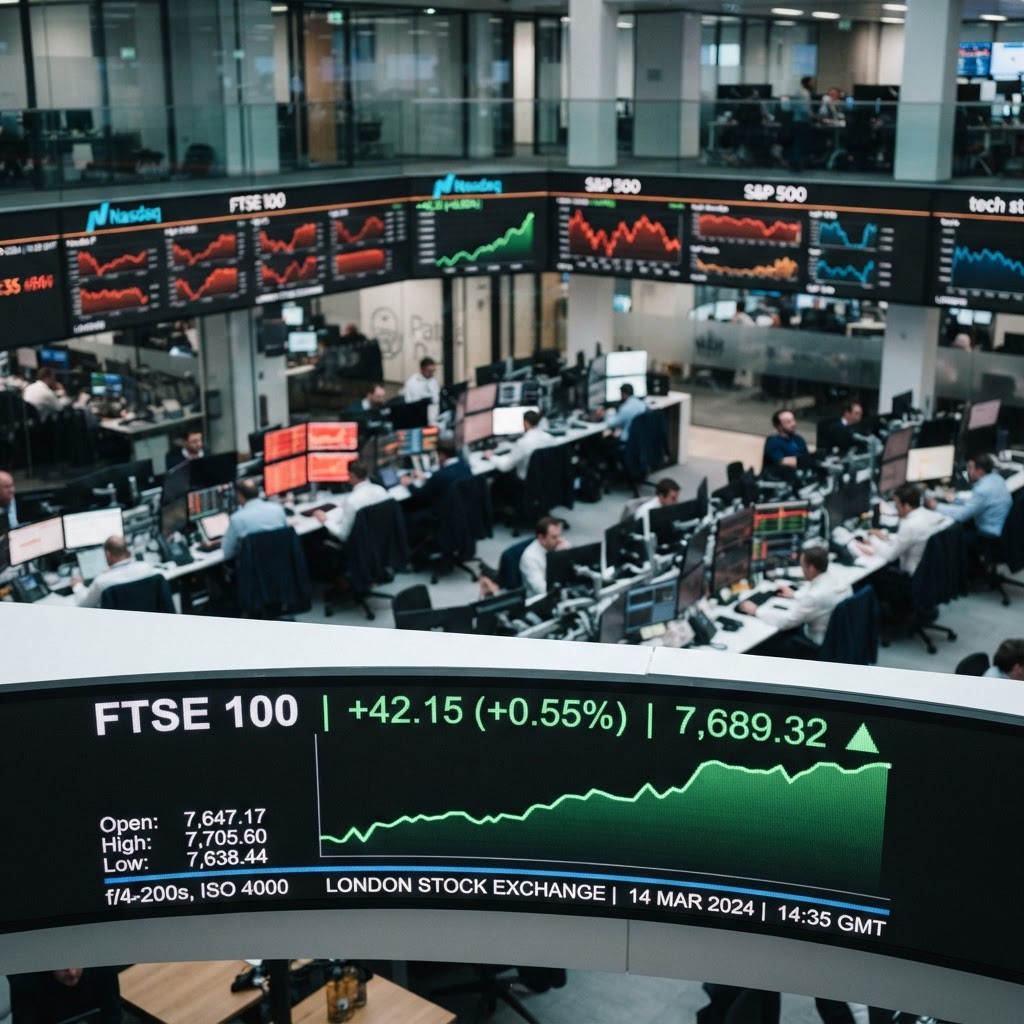
The FTSE 100 remains resilient, hovering near the 10,484 mark as investors digest this latest mix of cooling retail prices alongside persistent inflation within the services sector. Financial analysts suggest that while the current trend in retail inflation may appease market concerns for the time being, the primary focus remains on the Bank of England’s next moves.
"Investors are weighing the implications of both steady prices in consumer goods and the still hot service inflation, which may necessitate a more hawkish stance from the Bank in the months ahead," noted Victor Templeton, a market strategist. "The interactions between these inflationary pressures and interest rates could shape market dynamics significantly in the near term."
Consumer Sentiment and Future Outlook
Consumer sentiment surveys have suggested a cautious optimism, but this sentiment is underpinned by the reality of rising living costs. Recent BRC reports indicate that retail demand continues to be challenged, as shoppers remain mindful of their spending. Retailers are finding it increasingly crucial to manage their pricing strategies carefully to maintain customer loyalty while navigating these turbulent economic waters.
Moreover, the looming threat of global disruptions—whether from economic sanctions, trade disputes, or climate-related events—leaves many questioning the sustainability of lower inflation rates. Retailers, who are often at the front lines of these changes, have begun to express concern that any transient gains in inflation could be short-lived.
"The retail environment is incredibly fragile, and any shifts could ripple quickly through the supply chain and to the consumer," remarked Nigel Pearce, CEO of a leading supermarket chain. "Ultimately, we remain hopeful that the rates can stabilise, but geopolitical situations and domestic policy decisions will play crucial roles in shaping our pricing outlook."
Conclusion
As the summer of 2026 unfolds, consumers and economists alike will be watching the interplay between shop price inflation and food costs closely. While current trends suggest a temporary break in cost rises, the spectre of external pressures and policy changes lurks just beyond the horizon. Consumers will be left to navigate these complexities in hopes of maintaining their purchasing power amid an evolving economic landscape.