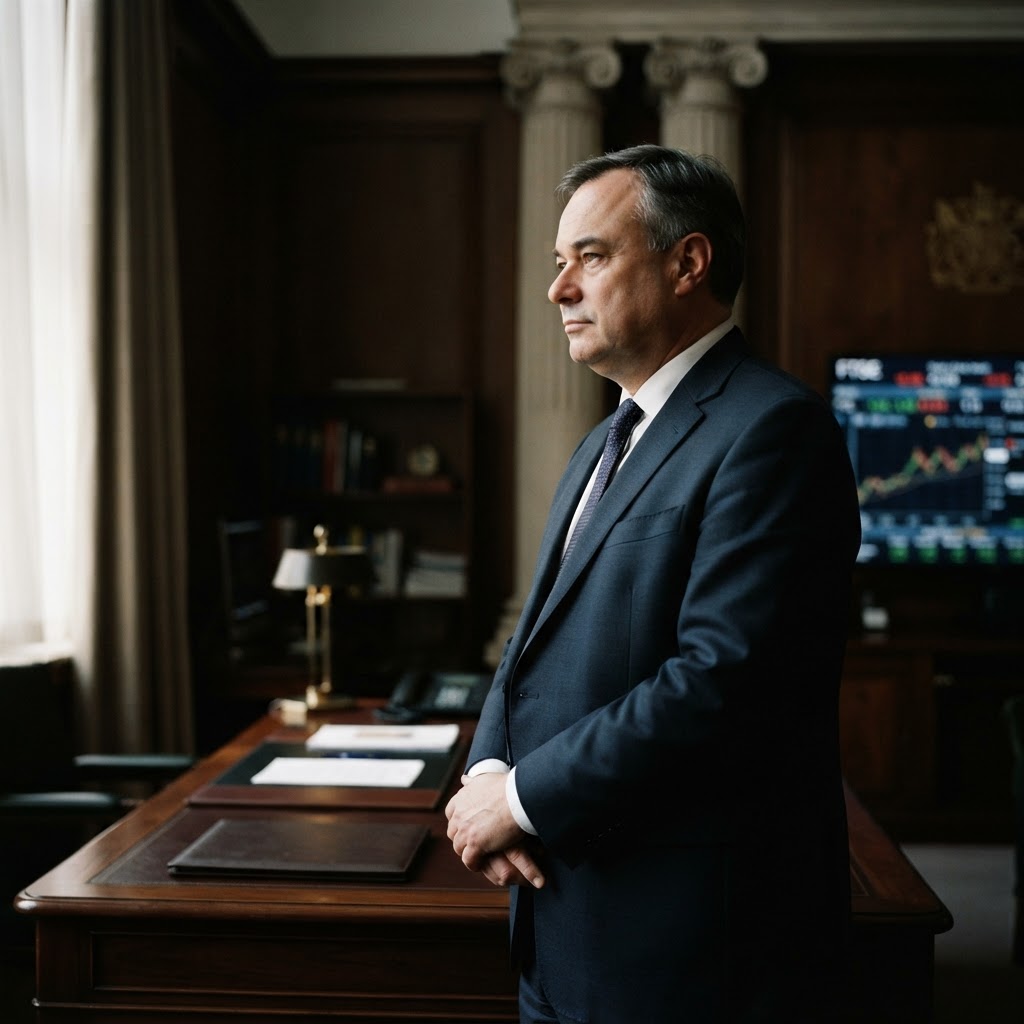
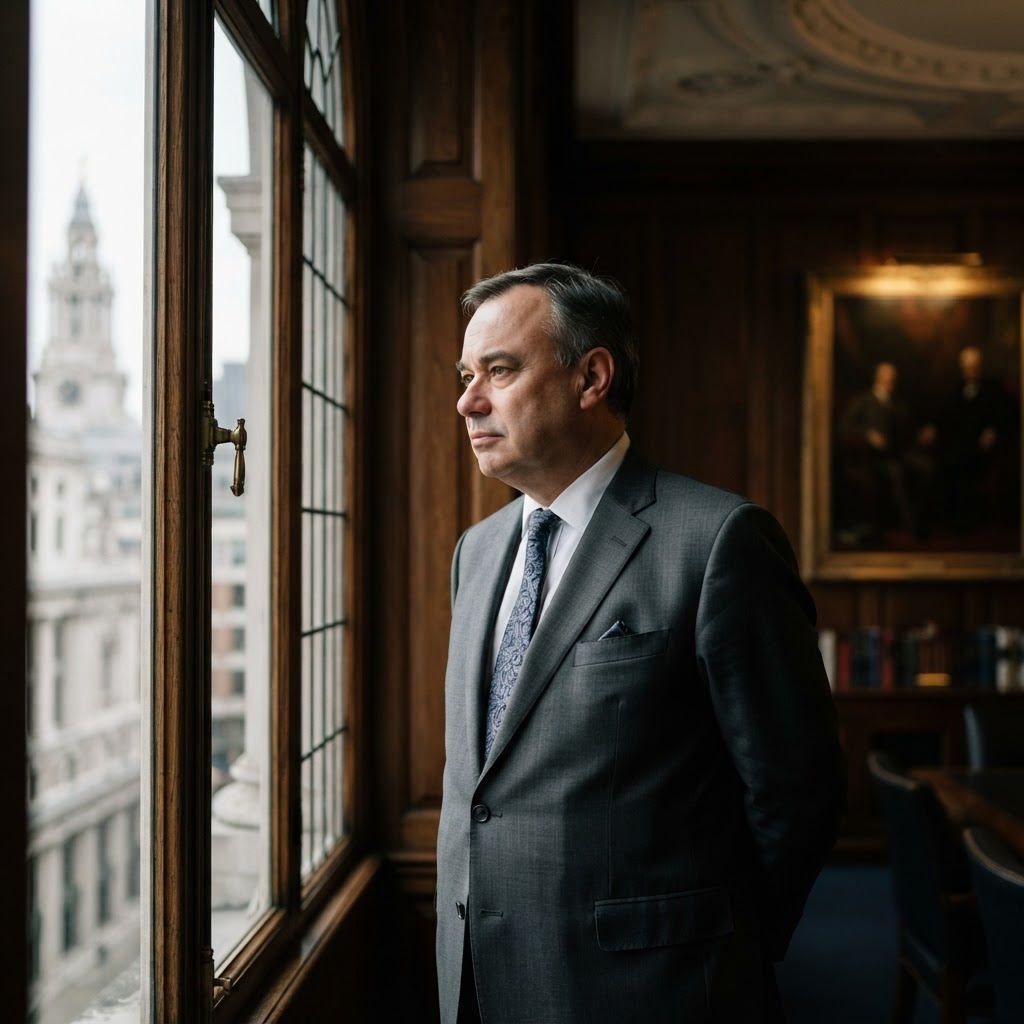
Cooling Inflation Triggers Market Rally as August Rate Cut Looms
The Consumer Prices Index has unexpectedly slipped to 1.8 per cent, pulling beneath the Bank of England's threshold for the first time in eighteen months. As markets adjust to the shift in monetary policy expectations, the FTSE 100 has surged to a multi-month high.
AP
Alice Pemberton
Finance Correspondent
Published 15 July 2026·4 months ago 3 min read
Text
TopicsUK EconomyInflationBank of EnglandFTSE 100Interest RatesFinance
About the Author
AP
Alice Pemberton
Finance Correspondent
Alice Pemberton reports for National Post UK with a focus on rigorous analysis and authoritative journalism — a trusted voice across British public life.
Reader Discussion · 5
Subscribers can join the conversation.
SUBSCRIBE TO COMMENT →M
Marcus Sterling15 Jul
The markets are clearly pricing in a soft landing, but it feels a bit premature to celebrate. We have seen inflation figures dip before only to bounce back just as quickly.
E
Eleanor Rigby15 Jul
A welcome relief, though I worry that cutting rates too aggressively now could just reignite price pressures by the end of the year. Let us hope the Monetary Policy Committee has a steady hand.
D
David Thorne15 Jul
This looks like a classic case of the Bank of England reacting too late to the data. We have already seen manufacturing output slow down, so the damage might already be baked in.
S
Sarah Jenkins15 Jul
I will believe it when I see it at the supermarket checkout. Prices for essentials remain sky-high regardless of what the headline inflation figures suggest.
A
Arthur Penhaligon15 Jul
Finally some good news for those of us on fixed-rate mortgages. It has been a long slog, but an August rate cut might actually give the high street a bit of breathing room.