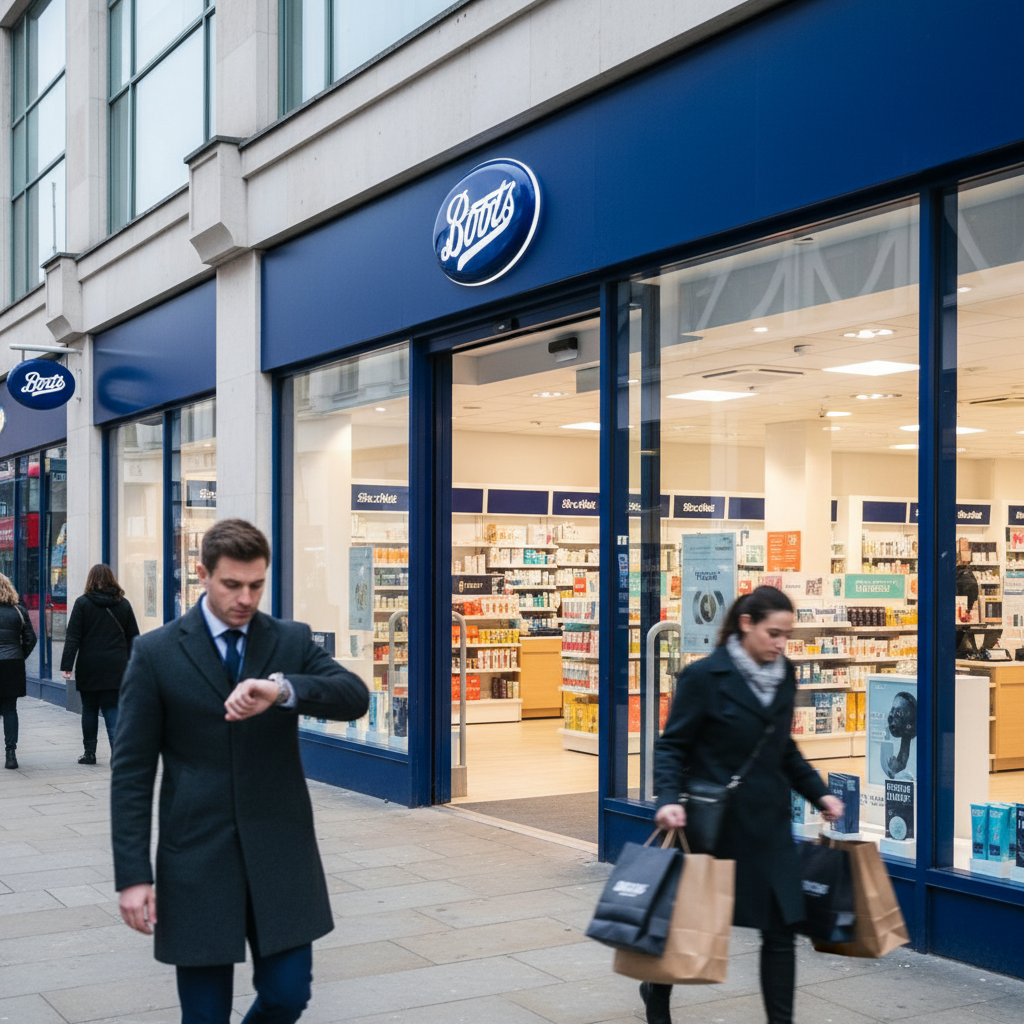
The anticipated £8 billion sale of the iconic Boots pharmacy chain has abruptly collapsed, with its Australian suitor pulling out of negotiations, marking another setback for the British retail sector. The Australian pharmacy group, which remains unnamed, cited shifting financing costs and the complex macroeconomic climate in the UK as key factors in their decision to abandon what would have been one of the largest retail acquisitions in the UK in recent years.
The collapse of this sale represents the second failed attempt by US-based Walgreens Boots Alliance to divest itself of the 177-year-old chain since 2022, raising serious questions about the future of the business and investor confidence in an already shaky market. Just last year, another prospective deal had fallen through, revealing the stark challenges faced by legacy retail brands in a rapidly evolving landscape.
Boots remains an essential fixture of the UK high street, employing over 52,000 staff across approximately 2,100 stores nationwide. It has a storied history, known not only for its pharmacy services but also for its position as a trusted health partner in communities across the country. This failure could have far-reaching consequences for the workforce, as uncertainty looms over the company's future in the wake of the deal's collapse.
“Investor confidence is fragile, and setbacks like these can ripple throughout the market, causing potential investors to reconsider their strategies when it comes to the high street.”
Market Context and Economic Pressures
As the news broke, the FTSE 100 index remained resilient, trading near an all-time high of 10,471, buoyed by a significant drop in oil prices following a tentative peace agreement between the US and Iran. The performance of the stock market indicates that investors are maintaining a level of optimism, but the sudden withdrawal from the Boots sale could dampen this sentiment.
Currently, the pound has also shown resilience, trading at approximately $1.34. However, experts warn that sustained confidence in the retail sector will depend heavily on forthcoming economic indicators and the decisions made by the Bank of England. The central bank’s upcoming meeting on June 18 is highly anticipated, with many expecting interest rates to be held at 3.75%, despite the wobbles within key retail chains.
Expert Perspectives
Analysts viewing the situation have expressed concern over the implications of this deal's collapse. Dr. Rebecca Norton, an economist with Market Insights Consultancy, reflected on the ongoing struggles within the retail environment. "The failure of this sale is indicative of the headwinds that traditional retailers are facing today, particularly with regards to rising costs and changing consumer behaviours. The macroeconomic landscape is not conducive to bold investments, particularly in sectors that are traditionally seen as stable but are now fraught with uncertainty," she noted.
The challenges extend beyond Boots; the UK retail sector has been undergoing significant transformation amid competition from online giants. Traditional players are increasingly being forced to narrow their focus and adapt to new consumer preferences, making large-scale acquisitions more complex and risky. As Dr. Norton further articulated, "Investor confidence is fragile, and setbacks like these can ripple throughout the market, causing potential investors to reconsider their strategies when it comes to the high street."
Furthermore, the interplay between political and economic factors cannot be overlooked. Political uncertainty, exacerbated by Brexit, has compounded the challenges for retailers, as they navigate changing consumer sentiment and purchasing behaviours. As one investor put it: "The landscape for retail is as challenging as it has ever been, and the failure of the Boots sale is a reminder of how quickly investor confidence can erode.'
The Future of Boots
As Walgreens Boots Alliance reassesses its strategy, questions remain over what the immediate future holds for Boots itself. With time running short for obtaining a suitable buyer, some analysts speculate that the company may need to adopt a more aggressive restructuring strategy to navigate the turbulent waters ahead.
For Boots, the collapse of the sale may force the management to reconsider its business model, finding innovative ways to attract consumers and fend off competition from agile online retailers. The introduction of new services or enhancements to existing offerings may become critical in maintaining market share.
In conclusion, the failure of the sale of Boots serves as a stark reminder of the fragility within the UK retail landscape, especially for established brands struggling to adapt to modern retail challenges. As investors shift their focus to the upcoming meeting of the Bank of England, the emphasis will surely be on how monetary policy could influence consumer confidence moving forward. With traditional retail facing an evolving set of challenges, the actions taken by companies like Boots will be closely watched in the coming months. This situation underscores the vital importance of adaptation and resilience in the face of economic uncertainty.
As we approach a critical juncture for UK retail, industry stakeholders await to see if Boots can restore confidence and efficacy in an age where traditional business models are increasingly under siege.