National Post UK
Beyond Tradition: The Evolution of Strictly Come Dancing

As the BBC flagship continues to dominate Saturday nights, one star has opened up about the cultural shift towards inclu

The National Post

HomeCulture
Culture

Beyond Tradition: The Evolution of Strictly Come Dancing

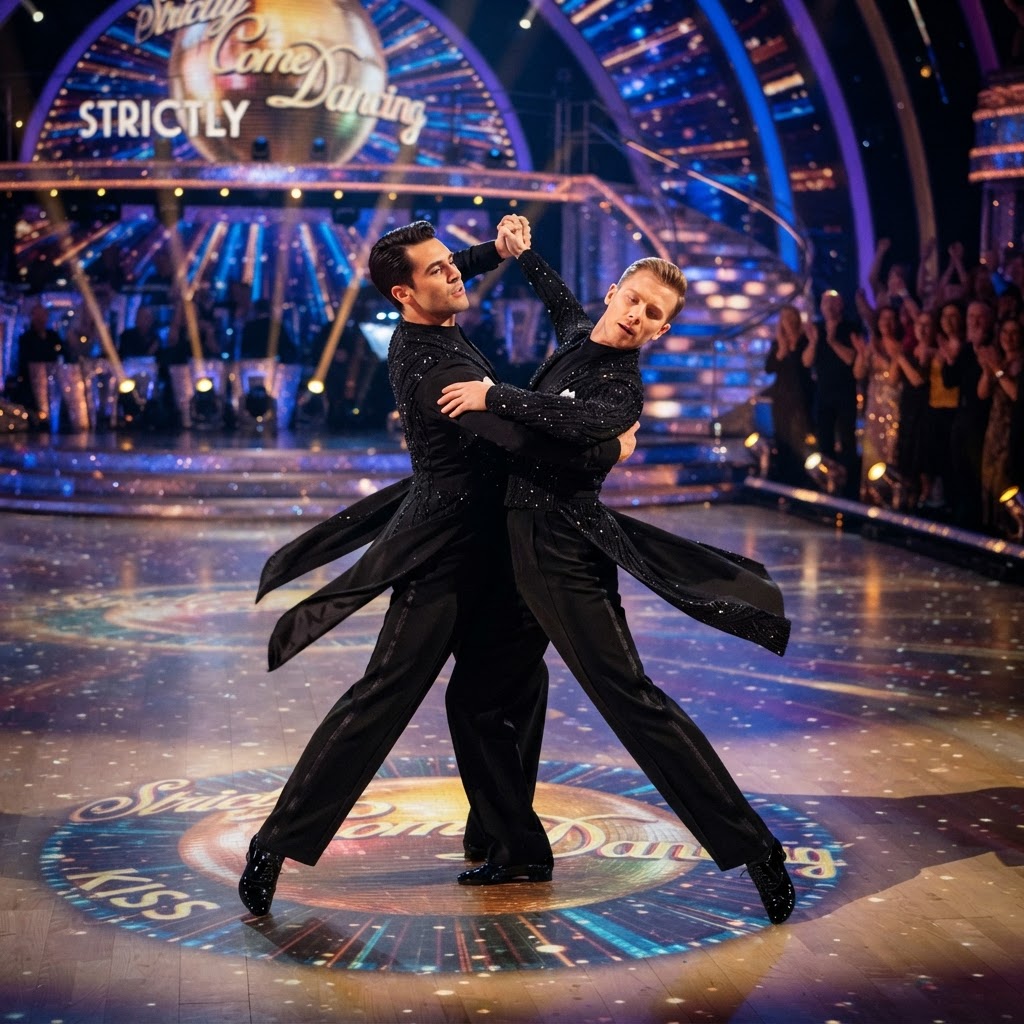
As the BBC flagship continues to dominate Saturday nights, one star has opened up about the cultural shift towards inclusive choreography. The inclusion of same-sex pairings is no longer a radical experiment but a vital evolution in British television.

IH

Isabella Hart

Culture Editor

Published 20 October 2026·about 17 hours ago 3 min read
Text
Share

A Watershed Moment for Prime-Time Television For two decades, the ballroom at Elstree Studios has served as the stage for a uniquely British cultural institution. As Strictly Come Dancing continues its relentless march through another autumn schedule, the conversation around the programme has shifted from mere entertainment to a wider discourse on modern representation. In comments made within the last hour, a prominent contestant on the current series reflected on the profound impact of same-sex pairings, characterising the experience as a surreal milestone in the journey of mainstream dance.

The Normalisation of Inclusion The transition toward inclusive casting has been incremental, yet its effect on the public consciousness has been significant. When the show first introduced same-sex couples, there was palpable anxiety among conservative commentators who feared the disruption of the traditional ballroom aesthetic. However, as the contestant noted earlier this morning, the integration of these partnerships has served to modernise the form rather than diminish it. This shift reflects a broader societal movement within the United Kingdom, where the rigid gender roles of the mid-twentieth century are increasingly viewed as relics of a bygone era.

The Expert Perspective Sociologists of popular culture argue that the influence of a programme like Strictly cannot be overstated. By bringing same-sex partnerships into the living rooms of millions, the BBC has done more for the visibility of the LGBTQ+ community in rural and traditionalist demographics than decades of activism. Dr. Helena Thorne, a lecturer in television studies, suggests that this is the natural evolution of a format that must remain relevant to survive. She posits that dance, at its core, is a dialogue between partners, and the gender of those partners has become secondary to the chemistry and technical precision required to succeed in the competition.

Reframing the Ballroom The contestant described their participation in a same-sex pairing as a uniquely grounding experience. Despite the intense pressures of the professional judging panel and the scrutiny of a live audience, the shift in dynamics has allowed for a broader range of artistic expression. Traditional ballroom relies heavily on the 'lead and follow' paradigm, which has historically been tethered to masculinity and femininity respectively. Challenging these norms has opened the floor to a more fluid, egalitarian approach that resonates with younger viewers who feel increasingly alienated by static, binary interpretations of performance art.

Looking Ahead As the series progresses, the debate is likely to intensify, yet the success of these partnerships has already silenced many of the initial detractors. The BBC’s commitment to reflecting the modern British public remains the show’s greatest strength. By moving beyond tradition, the production is ensuring that the sparkle of the ballroom remains untarnished by the passage of time. The contestant’s testimony serves as a poignant reminder that even within the most established entertainment vehicles, there is always space for change and the quiet, persistent progress that defines a changing nation.

TopicsStrictly Come DancingBBCTelevisionCultureLGBTQ+RepresentationBritish Media
Share

About the Author

IH

Isabella Hart

Culture Editor

Isabella Hart reports for National Post UK with a focus on rigorous analysis and authoritative journalism — a trusted voice across British public life.

Reader Discussion · 6

Subscribers can join the conversation.

SUBSCRIBE TO COMMENT →
G
Graham Foster20 Oct

It is just light entertainment at the end of the day. People need to stop over-analysing it and just enjoy the glitter and the music for a few hours each weekend.

E
Elaine Patterson20 Oct

The inclusion of diverse partnerships has really opened up the conversation around dance in this country. It is refreshing to see the show reflect the real world we live in today.

R
Robert Miller20 Oct

The judging panel seems a bit inconsistent this season. It is becoming harder to tell if they are scoring on dance steps or just how much they enjoyed the performance spectacle.

S
Sarah Jenkins20 Oct

As someone who has been watching since series one, I think the evolution has been necessary to keep younger audiences engaged. It remains the only programme that brings the whole family together on the sofa.

D
David Thorne20 Oct

I do worry that they are losing the essence of ballroom dancing with all these dramatic themes. I would prefer to see more focus on the technique rather than the flashy production value.

M
Margaret Higgins20 Oct

It is lovely to see the show adapting to modern times while keeping that sense of Saturday night warmth. The talent this year has been absolutely incredible to watch.
More from Culture

Most Read in Culture

Morning Briefing

The day's top stories, before 7am

Join 40,000 readers who start their morning with National Post UK.