National Post UK
Arts Coalition Issues Ultimatum to Downing Street Over European Touring Crisis

More than 300 cultural organisations have united to demand a resolution to the post-exit barriers stifling British creat

The National Post

HomeCulture
Culture

Arts Coalition Issues Ultimatum to Downing Street Over European Touring Crisis

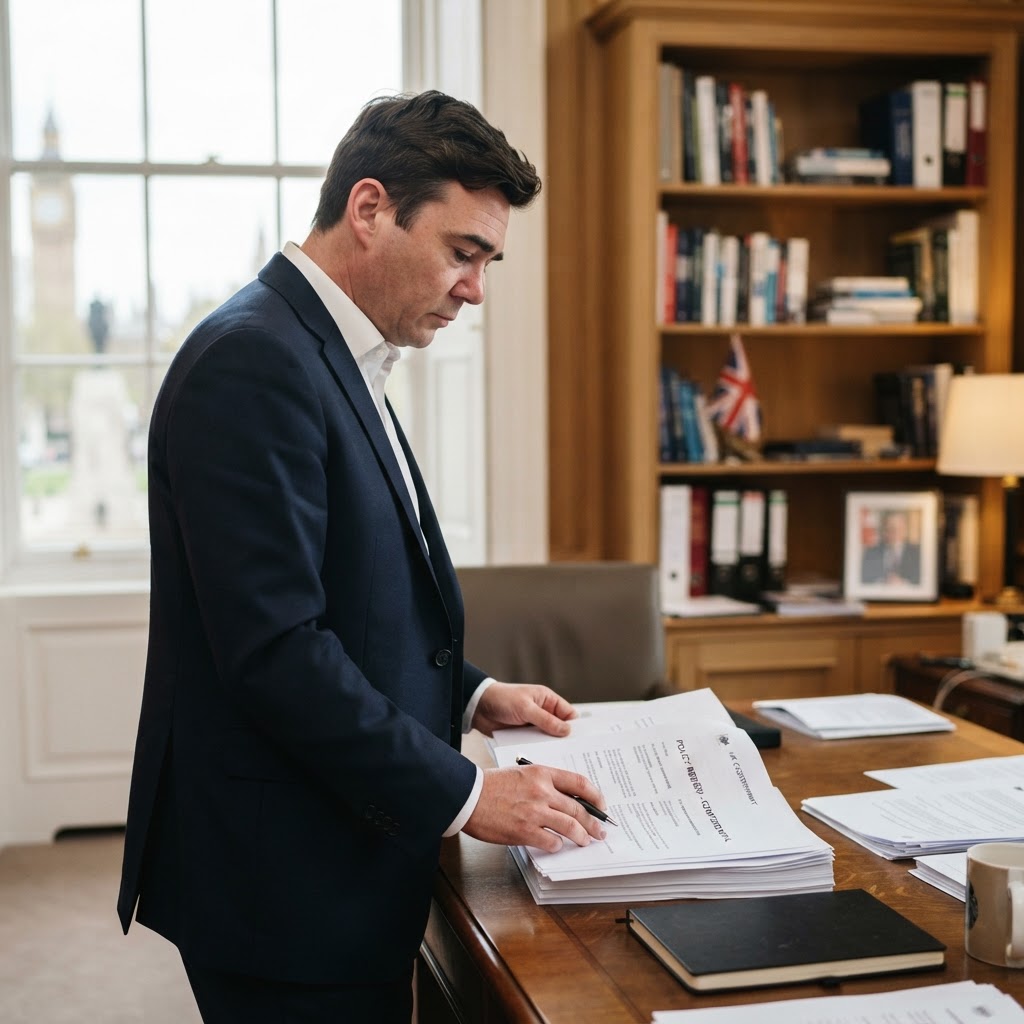
More than 300 cultural organisations have united to demand a resolution to the post-exit barriers stifling British creative exports. The urgent appeal to Prime Minister Andy Burnham calls for a fundamental recalibration of visa and logistics frameworks to save the sector.

BO

Benjamin Osei

Culture Editor

Published 14 November 2026·about 14 hours ago 3 min read
Text
Share

A Sector at the Precipice The fragility of the British cultural sector has reached a tipping point as a powerful coalition of over 300 organisations, operating under the banner of the Creative Export Coalition (CEC), has formally petitioned Prime Minister Andy Burnham and his European counterparts. The appeal, launched in the shadow of an upcoming summit, serves as a stark reminder that the promise of a global Britain remains hindered by the practical realities of touring, visa bureaucracy, and escalating operational costs.

The Weight of Bureaucracy Established in December 2025, the CEC has become a formidable voice for the creative industries, representing bodies as diverse as UK Music, the Musicians’ Union, the Society of London Theatre, and the Association of British Orchestras. Their grievances are rooted in the systemic complexities that have plagued artists and theatre troupes since the UK’s formal departure from the European Union. For the independent musician or the regional touring company, the current landscape of customs carnets, cabotage restrictions, and inconsistent visa requirements has rendered continental tours financially unviable for all but the largest stadium-filling acts.

Economic Implications for British Soft Power Industry analysts suggest that the loss of unfettered access to European markets is not merely a logistical annoyance but an existential threat to the pipeline of emerging talent. When young British artists are priced out of European festivals and venues, the long-term impact on the nation’s soft power—and its multi-billion-pound music and theatre export market—is profound. The coalition argues that current arrangements are failing to account for the unique, agile nature of creative labour, which relies on fluidity rather than the static bureaucratic classifications currently imposed at the border.

A Call for Pragmatic Diplomacy As Prime Minister Burnham prepares for high-level talks, the CEC is pushing for a dedicated cultural passport or a simplified, reciprocal permit scheme that would alleviate the burden on small-to-medium enterprises. While Downing Street has signalled a willingness to foster closer ties with Brussels, the coalition insists that cultural mobility must be at the forefront of the agenda. The cost of inaction, according to industry experts, is the potential decline of the UK as a primary incubator for global artistic excellence.

Looking Ahead As the summit approaches, the eyes of the arts world remain fixed on Westminster. The frustration among industry leaders is palpable, yet there is a cautious optimism that a more pragmatic approach to European trade can be negotiated. Whether this appeal will result in tangible policy shifts remains to be seen, but the unity of these 300 organisations ensures that the cultural sector's voice can no longer be ignored in the corridors of power.

TopicsCulturePoliticsArtsUK MusicBrexitCreative IndustriesAndy BurnhamTouring
Share

About the Author

BO

Benjamin Osei

Culture Editor

Benjamin Osei reports for National Post UK with a focus on rigorous analysis and authoritative journalism — a trusted voice across British public life.

Reader Discussion · 6

Subscribers can join the conversation.

SUBSCRIBE TO COMMENT →
J
James Halloway14 Nov

I agree that the red tape is stifling, but I worry that a blanket ultimatum will just put the government on the defensive. We need a more nuanced negotiation strategy that focuses on specific cultural exemptions for small-scale operations.

F
Fiona Campbell14 Nov

The economic impact of this crisis is vastly underestimated. Every cancelled tour is a loss of potential export revenue and soft power that we simply cannot afford to throw away right now.

M
Marcus Sterling14 Nov

This feels like a case of the industry needing to adapt to the new reality rather than complaining about it. Other international touring acts deal with these hurdles regularly, so why should the British arts scene expect special treatment?

E
Eleanor Rigby14 Nov

As a musician who has spent the last year trying to navigate the new visa rules, I can confirm that it is effectively shutting out grassroots talent. It is not just about the big stars, it is about the thousands of support staff and crew whose livelihoods depend on seamless movement across borders.

D
David Thorne14 Nov

While I appreciate the arts are important, I am not sure taxpayer money should be prioritised for touring artists when the public sector is under such immense strain. The industry needs to find a way to make the new administrative requirements work without constantly demanding government intervention.

S
Sarah Jenkins14 Nov

It is about time someone stood up to Downing Street on this. Touring in Europe has become an absolute nightmare of bureaucracy for small theatre companies since the transition, and we are losing our cultural reach by the day.

More from Culture

Most Read in Culture

Morning Briefing

The day's top stories, before 7am

Join 40,000 readers who start their morning with National Post UK.