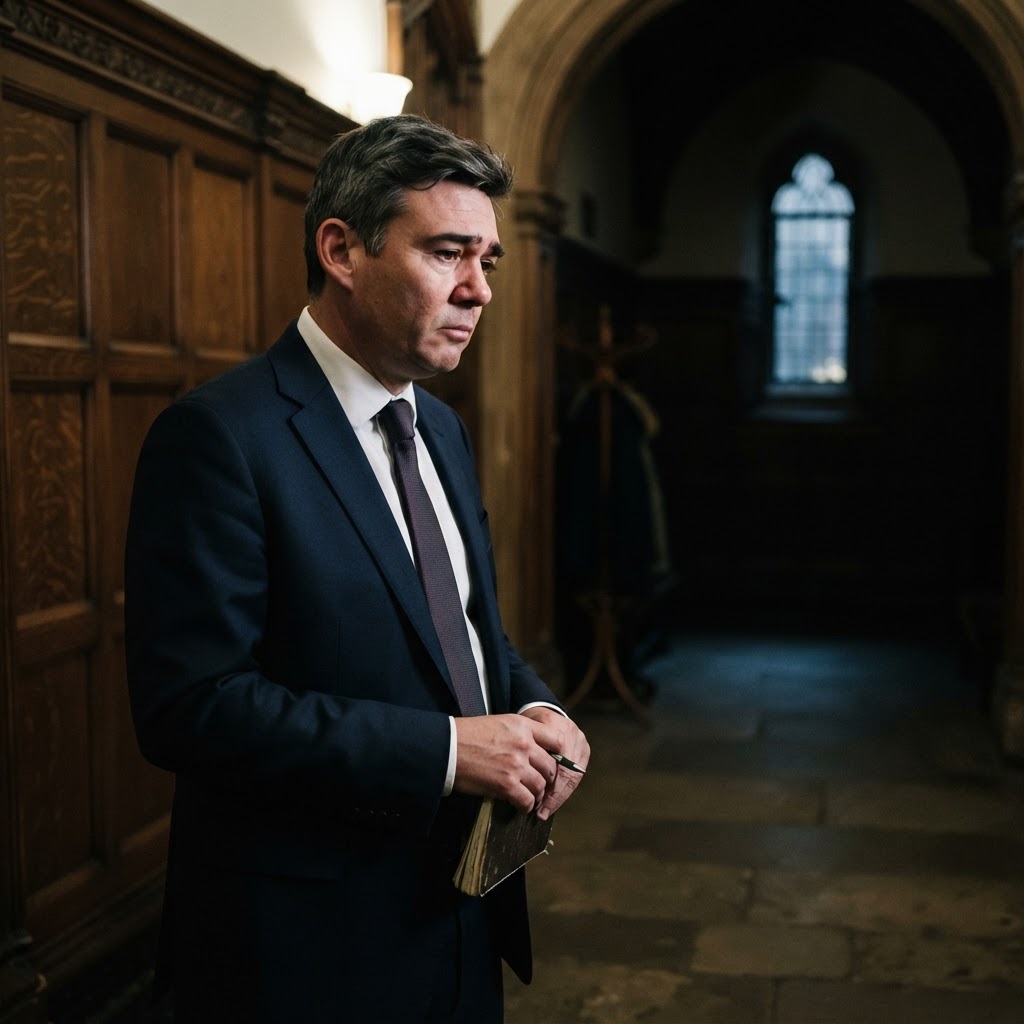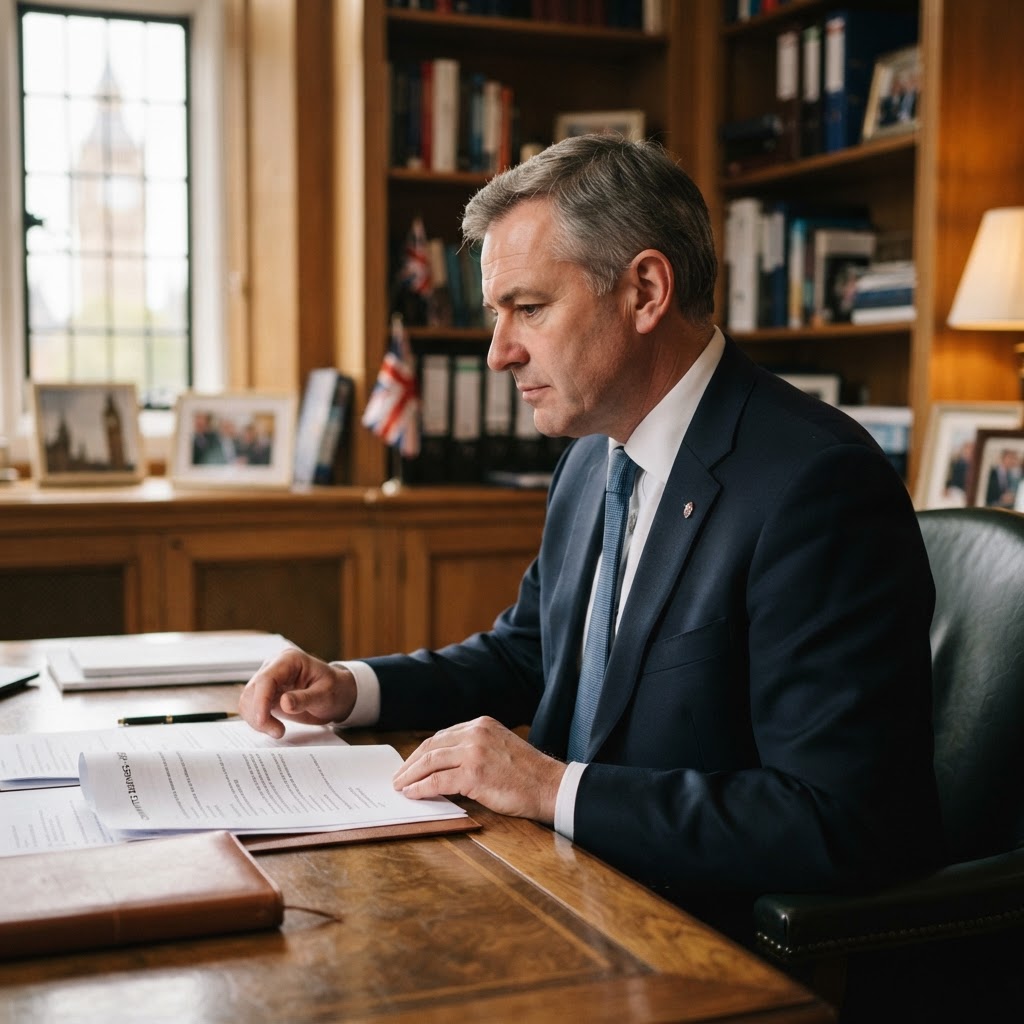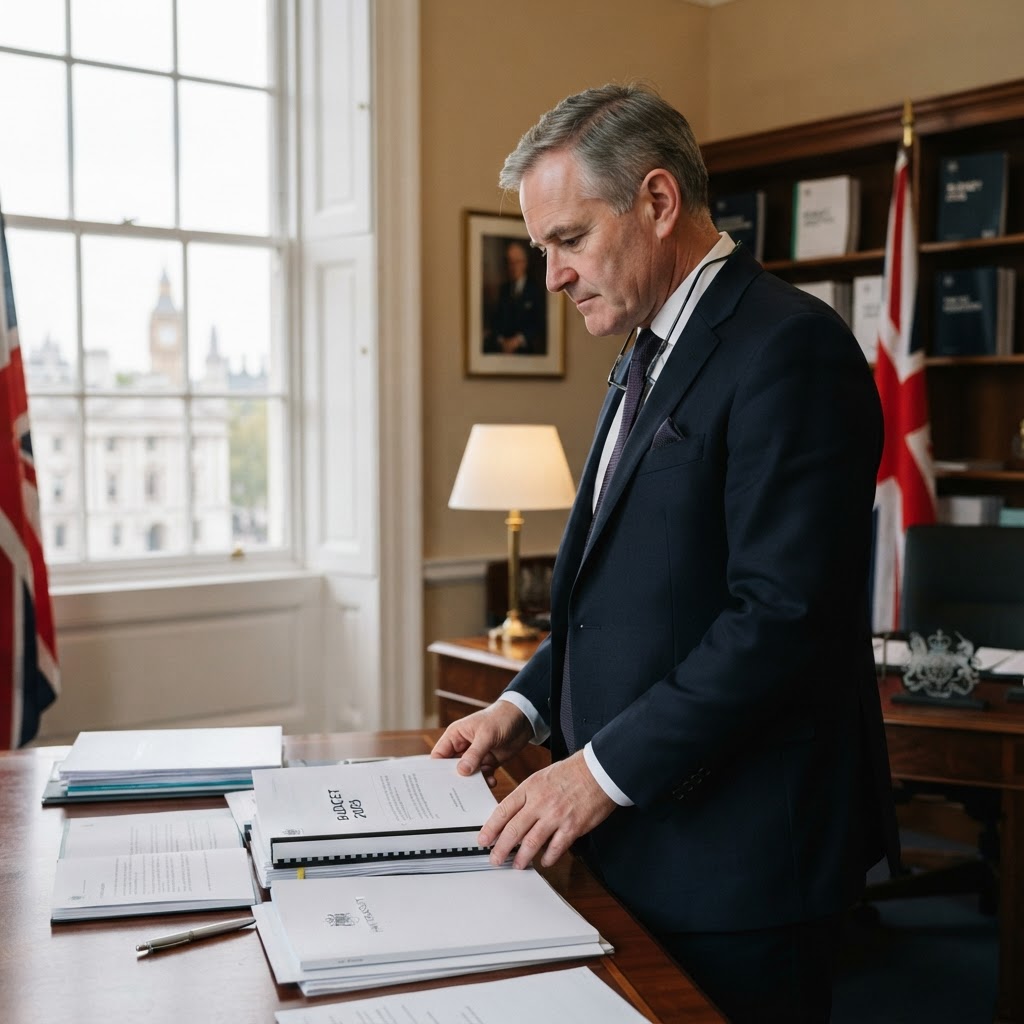
Labour Market Defies Gravity as Jobless Rate Dips Ahead of Chancellor’s Budget
The UK unemployment rate has unexpectedly fallen to 4.7 per cent, providing a glimmer of stability for the government. Yet, beneath the headline figures, a cooling vacancy market suggests that the momentum of the post-pandemic recovery is beginning to fade.
OG
Oliver Grant
Business Editor
Published 21 October 2026·about 20 hours ago 3 min read
Text
TopicsUK EconomyUnemploymentBudget 2026John HealeyLabour MarketBusiness News
About the Author
OG
Oliver Grant
Business Editor
Oliver Grant reports for National Post UK with a focus on rigorous analysis and authoritative journalism — a trusted voice across British public life.
Reader Discussion · 5
Subscribers can join the conversation.
SUBSCRIBE TO COMMENT →M
Mark Sterling21 Oct
We should be grateful that the employment rate is holding firm. It provides a much-needed buffer for the economy while the Chancellor tries to figure out how to balance the books.
E
Eleanor Rigby21 Oct
I suspect this resilience is down to the sheer desperation of employers trying to fill vacancies in hospitality and care. It is a worker's market for now, though I wonder if that will last past the winter.
D
David Thorne21 Oct
As someone who has been looking for a permanent position for six months, I find these statistics very difficult to square with reality. The recruitment process seems to have slowed to a crawl despite what the headlines say.
S
Sarah Jenkins21 Oct
It is certainly a surprise to see the market holding up so well given the current economic climate. Perhaps businesses are more optimistic about the upcoming budget than we were led to believe.
A
Arthur Penhaligon21 Oct
These figures are all well and good, but they fail to account for the quality of these roles. Most of the jobs being created seem to be insecure, zero-hour contracts that don't pay a living wage.