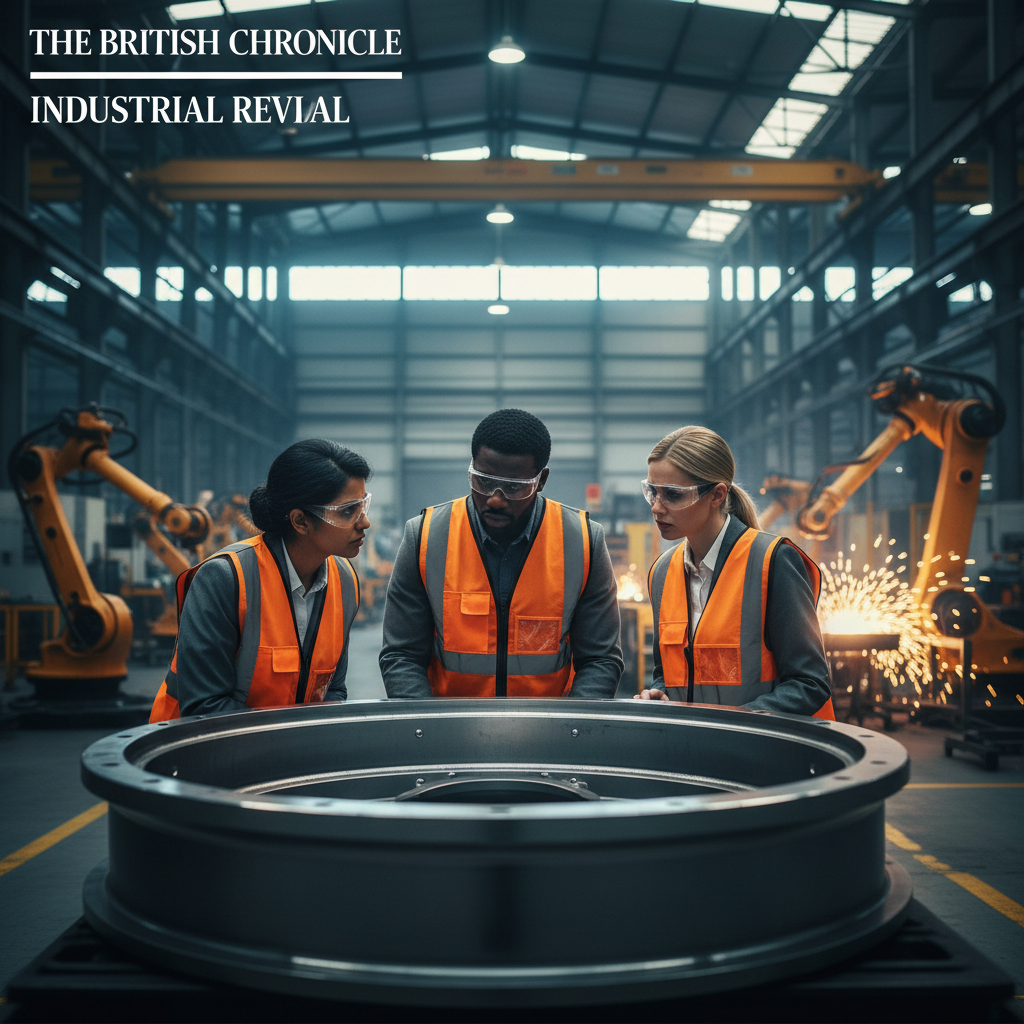
British ministers are moving to reverse their decision to impose tariffs on imported steel, a policy initially positioned as a protective measure for the domestic steel industry. The Department for Business and Trade is now in consultation with industry stakeholders, indicating a strategic pivot in response to fierce opposition from major manufacturing sectors.
The proposed tariffs were met with vigorous objection from industrial leaders, particularly within the automotive and construction industries, who warned that such levies would lead to increased production costs and a detrimental ripple effect across the UK economy.
Industry Concerns Over Rising Costs Manufacturers had raised alarms about the potential for significant price hikes in raw materials, which they argued could stifle growth and result in job losses. "We cannot afford to turn our back on competitive pricing, especially when it comes to essential materials like steel," stated David Brooks, chief executive of the Automotive Manufacturers Alliance. He cautioned that higher costs would inevitably be passed down to consumers, impacting both the affordability of vehicles and broader economic stability.
The automotive sector, which is especially sensitive to fluctuations in materials pricing, has experienced a tumultuous period in recent years. With a focus on sustainability and innovation, many manufacturers are attempting to pivot towards greener practices, which necessitates manageable costs to remain competitive against European and international counterparts.
“"In times of economic uncertainty, the government must listen to the voices that contribute to the nation's economic foundation."”
Construction Sector Voices Alarm Similarly, the construction industry has expressed grave concerns over the implications of tariffs. The Federation of Master Builders labelled the proposed levies an "own goal," warning that rising steel prices could threaten ongoing projects and hinder the UK's long-term infrastructure ambitions. "Real-world consequences would mean delays and inflated costs that every builder and contractor will feel," remarked the federation's spokesperson.
As consultations with steel industry representatives unfold, the government appears to be weighing the broader impact of its policies. Owen Phillips, a representative of the British Steel Producers Association, acknowledged the need for balance. "Protecting the steel industry is crucial, but it cannot come at the expense of the larger manufacturing base that relies on a stable supply of materials. This decision reflects an understanding of the interconnected nature of our industries," he stated.
Political Ramifications The reversal of the proposed tariffs marks a significant moment for the current administration, signalling a potentially broader shift towards prioritising the resilience of the manufacturing sector over protective trade barriers. Observers note that this decision aligns with recent efforts to invigorate the UK economy in the post-pandemic recovery phase, where manufacturing is seen as a key engine for growth.
Political analysts have suggested that the government's willingness to engage with industry leaders reflects a pragmatic approach, responding to the immediate needs of the economy rather than adhering rigidly to previous policies. As one political commentator noted, "In times of economic uncertainty, the government must listen to the voices that contribute to the nation's economic foundation. An agile response is essential for stability and growth."
A Strategic Reassessment This decision is also indicative of a broader reassessment of trade policies in the UK. Since the Brexit transition, the departure from the European Union has necessitated a renewed focus on domestic industries, yet this must also be achieved alongside maintaining international competitiveness. The notion of balancing domestic support with global market realities is a complex challenge that the government continues to navigate.
Indeed, some industry veterans have suggested that any moves to implement protective tariffs must be carefully considered within the context of existing trade relationships. Professor Amelia Brown of the Institute of Economic Affairs noted, "Tariffs could easily alienate our trading partners and retaliatory measures could exacerbate supply chain issues. Collaborative approaches would be more beneficial for enhancing productivity and innovation."
As the Department for Business and Trade prepares to announce the official abandonment of the proposed steel tariffs, the focus now shifts to how this will affect the landscape of British manufacturing in the coming years. Industrial leaders remain optimistic that the government is finally acknowledging the need for a cohesive industrial strategy that supports all sectors effectively.
Conclusion In conclusion, the government's impending retreat on steel tariffs is a significant win for the manufacturing sector, aiming not only to protect jobs within industries reliant on affordable raw materials but also to enhance the overall competitiveness of the UK economy. With an eye towards forging collaborative partnerships and ensuring economic stability, the government’s decision reflects a critical understanding of the symbiotic relationship between different sectors of the economy.
As one industry leader succinctly remarked, "The health of our economy depends on all parts working harmoniously together. This decision is a testament to that understanding."