The latest ICAEW Business Confidence Monitor has revealed a stark decline in sentiment among UK businesses, plummeting to its lowest level since late 2022. As escalating geopolitical tensions—particularly stemming from conflicts in the Middle East—intensify, firms are grappling with rising costs that are eroding profitability and pushing many toward immediate liquidity crises.
According to the report published today, the index dropped significantly during the three-month period leading up to June, highlighting pervasive concerns surrounding input price inflation that surged by 4.1%. This increase marks the most significant rise since 2024, largely attributed to disruptions in energy supplies and transport costs linked to the ongoing conflict in Iran. These changes have sent ripples through the supply chain, forcing businesses to reconsider price strategies and cost management ahead of an uncertain future.
Rising Costs and Labour Concerns
Suren Thiru, Chief Economist at ICAEW, noted that the aftereffects of the Iran conflict are weighing heavily on forecasts for sales and operational activities. “Current geopolitical tensions effectively overshadow positive business developments, making it challenging for firms to plan ahead with confidence,” he stated.
“As geopolitical tensions flare abroad, the immediate effects are being felt at home, primarily through heightened costs and strained operational capacities.”
More than half of firms surveyed expressed notable concern regarding spiralling labour costs. Recent labour market statistics have revealed a tightening environment, with wages rising at a pace that often outstrips productivity gains. “Labour cost is a concern for many firms,” Thiru added, “and it's compounded by the fear of diminished consumer spending as costs rise for households.”
Energy price volatility has also emerged as a critical issue, with 35% of businesses identifying it as a primary concern. The fluctuating costs of energy, a direct consequence of geopolitical strife, have forced organisations to consider alternative energy sources or pass on costs directly to consumers, thereby fuelling inflation further.
Increased Payment Delays Highlight Liquidity Issues
The report paints a grim picture, particularly for Small and Medium Enterprises (SMEs), with 24% of businesses reporting a rise in late payments—the highest rate in five years. "This spike is indicative of increasing liquidity stress among SMEs, which are often more vulnerable to cash flow disruptions," said Thiru. Late payments have long been a thorn in the side of smaller businesses, often exacerbating operational challenges and threatening survival.
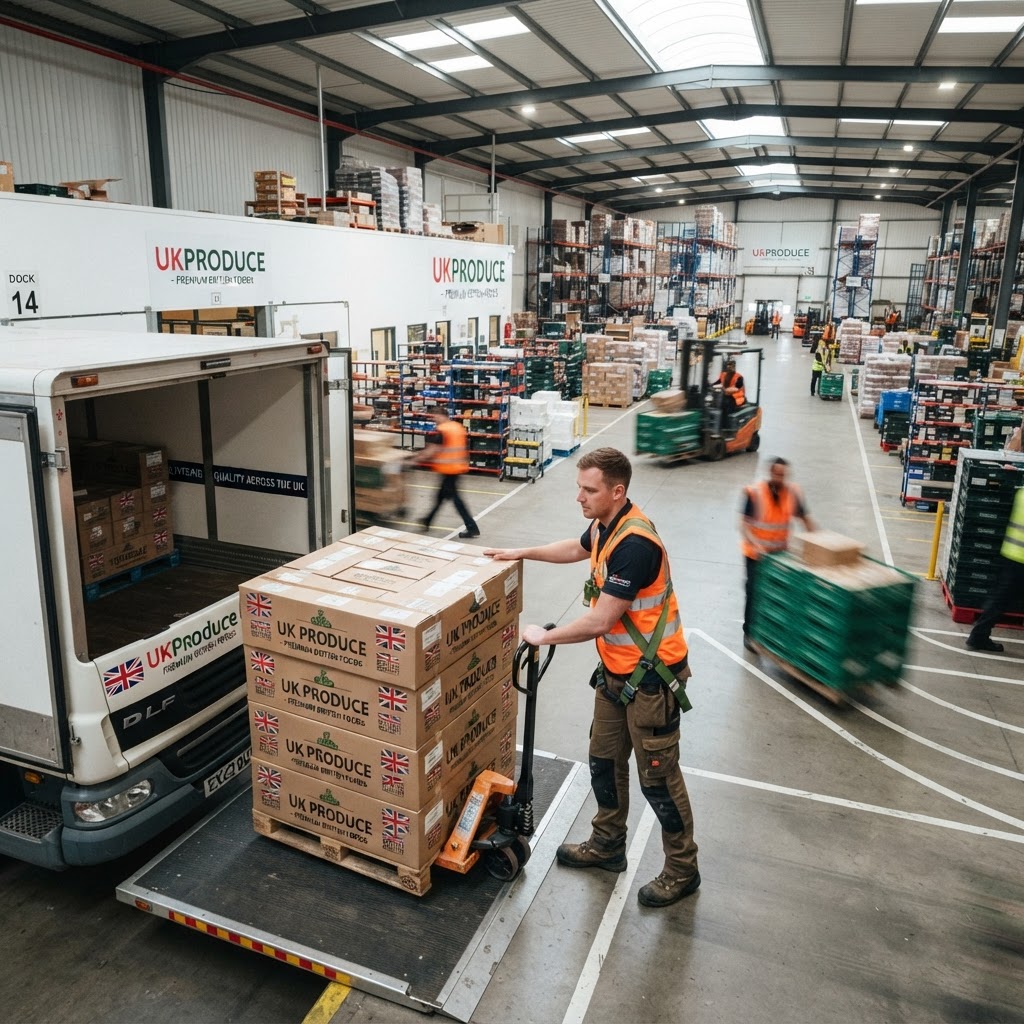
The government has taken steps to mitigate some of these pressures, yet the impact of such measures has been minimal in the face of escalating global uncertainties. With input costs continuing to rise, firms are being forced to cut back on hiring, investment, and even maintain adequate inventory levels, critical for serving an increasingly demanding market.
Impact on the Private Sector and Market Reactions
June saw an overall contraction in the UK private sector, reflecting the expanding malaise that has set in across industries. Recent services data indicated a shrinking market, which fed into Friday's downturn in London stocks, as investors reacted to the disappointing outlook.
The uncertainty swirling around the economy has left many questioning the resilience of the UK’s recovery post-pandemic. While recovery has been sporadic, varying across sectors, the current geopolitical landscape complicates matters significantly. With inflation still a pressing issue, the Bank of England faces a balancing act in formulating policy that encourages growth while also controlling rising prices.
Looking Ahead
As businesses brace for what many see as an inevitable further tightening of economic conditions, confidence remains low. According to Thiru, “Businesses want stability to invest and grow, but the environment remains fraught with risk. The path forward demands that we address underlying issues, particularly around energy and labour constraints, if we wish to foster a more robust recovery.”
The trajectory of UK business confidence is intricately linked not only to domestic fiscal policy but also to international relations. As tensions flare abroad, the immediate effects are being felt at home, primarily through heightened costs and strained operational capacities.
In conclusion, with businesses signalling growing levels of apprehension, it is evident that the UK's economic stability is at a critical juncture. There is an urgent need for proactive measures to be implemented, aiming to shield enterprises from external shocks and stabilise what is increasingly appearing to be a fragile recovery. The coming months will be crucial as firms navigate this treacherous landscape.