National Post UK
London Markets Retreat as Commodity Weakness Deepens Blue-Chip Gloom

The FTSE 100 has slipped to its lowest valuation since mid-summer as a toxic cocktail of falling copper prices and stubb

The National Post

HomeFinance
Finance

London Markets Retreat as Commodity Weakness Deepens Blue-Chip Gloom

The FTSE 100 has slipped to its lowest valuation since mid-summer as a toxic cocktail of falling copper prices and stubborn inflation sours investor sentiment. With the Bank of England signalling a data-dependent approach to interest rates, volatility appears set to persist.

MS

Marcus Stone

Finance Correspondent

Published 23 November 2026·about 1 hour ago 3 min read
Text
Share

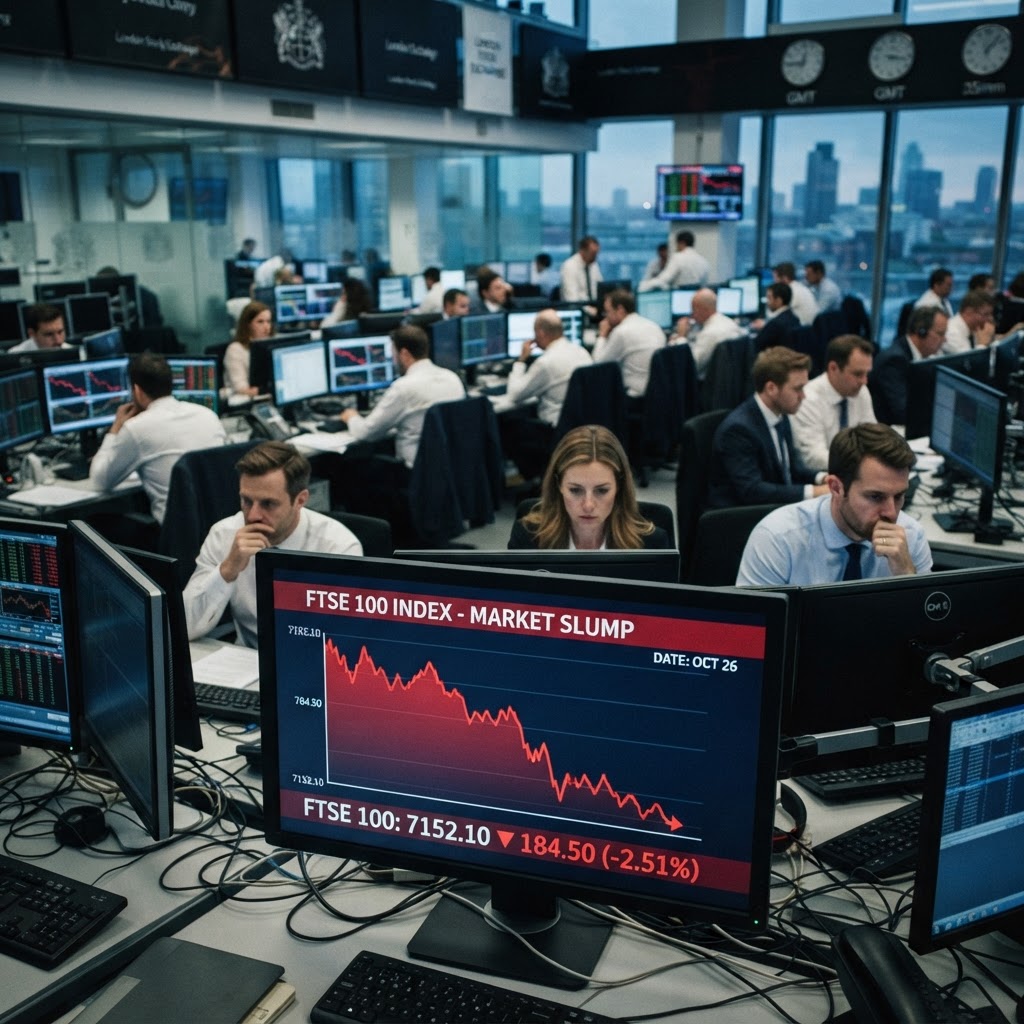
A Watershed Moment for British Equities The London Stock Exchange faced a brutal session of trading on 22 November, as the FTSE 100 retreated to 10,346 points—a level not seen since the height of June 2026. This slide, which has pushed the index to a weekly deficit exceeding 4 per cent, serves as a sobering reminder of the structural fragility currently underpinning global financial markets. While the headline figures depict a broad-based retreat, the mechanics of the sell-off suggest a deeper rot within the sectors that have long served as the bedrock of the UK’s primary index.

The Mining Sector’s Declining Fortune Primary among the drivers of this decline is the persistent weakness in the mining sector. As the global demand for base metals begins to show signs of structural fatigue, copper prices have continued their precipitous slide. For the FTSE 100, which is heavily weighted towards resource giants, this represents a significant structural headwind. As industrial production growth forecasts are revised downwards across key markets, investors have shifted their capital away from mining equities, favouring the relative safety of cash or lower-beta defensive assets.

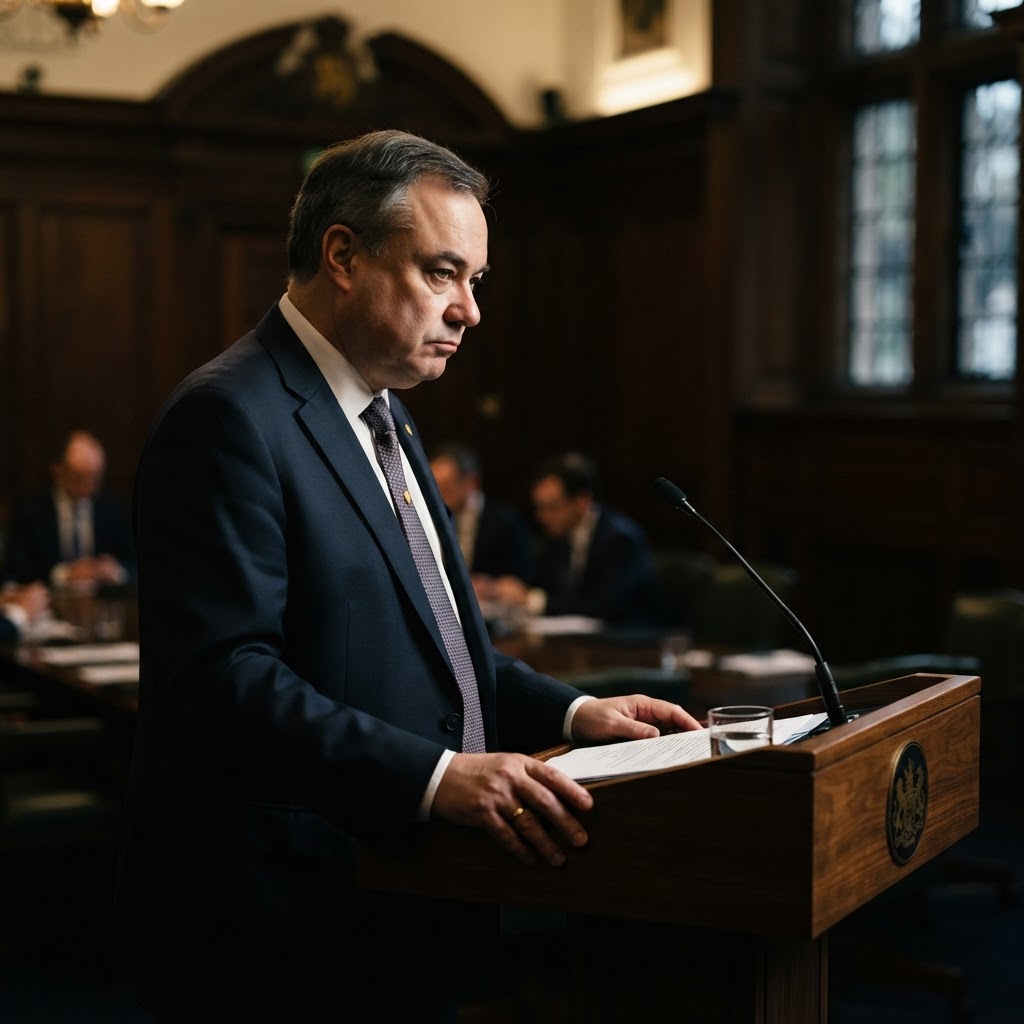
Inflationary Persistence and Bank of England Policy The macroeconomic backdrop offers little comfort. With UK inflation measured at 3.6 per cent for October, the Bank of England remains locked in a difficult balancing act. The inflationary pulse is far from quelled, remaining well above the institution’s 2 per cent target, despite the recent interest rate hike to 4 per cent earlier this month. The narrative from Threadneedle Street, articulated clearly by Governor Andrew Bailey, is one of acute caution. Bailey has been unequivocal in his insistence that interest rates are not following a pre-set path. Instead, the Monetary Policy Committee is operating in a reactive mode, where each subsequent decision is dictated by high-frequency economic data and the unpredictable impact of geopolitical instability in the Middle East on energy markets. This absence of forward guidance has introduced a premium of uncertainty that is currently being priced into every corner of the market.

Valuation Concerns and the AI Mirage Beyond the immediate pressures of energy prices and central bank policy, there is a mounting sense of scepticism regarding the sustainability of the recent rally in artificial intelligence-linked stocks. For months, the promise of the AI revolution buoyed equity valuations even as interest rates climbed. However, that sentiment is shifting. Investors are increasingly questioning whether the revenue growth promised by these high-multiple tech companies can be realised in a higher-for-longer interest rate environment. This reassessment is not confined to the tech-heavy Nasdaq; it has rippled across the Atlantic, affecting the risk appetite of institutional investors on the London Stock Exchange.

The Road Ahead As we approach the end of the year, the combination of stubborn inflation and geopolitical friction suggests that the FTSE 100 will likely remain volatile. The index is caught between the necessity of curbing inflation and the risk of engineering a sharper slowdown in the domestic economy. For the average investor, this suggests that the era of easy, broad-market gains has concluded, replaced by a period where asset selection and a granular understanding of commodity cycles have become paramount. The resilience of the British economy will be tested in the coming quarter, and for now, the markets are pricing in a period of profound caution.

TopicsFTSE 100UK EconomyInflationBank of EnglandCommoditiesMiningFinancial Markets
Share

About the Author

MS

Marcus Stone

Finance Correspondent

Marcus Stone reports for National Post UK with a focus on rigorous analysis and authoritative journalism — a trusted voice across British public life.

Reader Discussion · 10

Subscribers can join the conversation.

SUBSCRIBE TO COMMENT →
E
Elena Rodriguez23 Nov

The global outlook is clearly weighing on sentiment more than domestic factors right now. Until we see some stability in commodity demand, I fear this blue-chip gloom will persist for the remainder of the quarter.

D
David Thorne23 Nov

These market corrections are a natural part of the cycle, though the media loves to use words like brutal to drive clicks. If you are a long-term investor, days like this are simply an opportunity to buy quality stocks at a discount.

S
Sarah Jenkins23 Nov

I have been watching my pension pot dwindle all week and it is becoming quite worrying. Does anyone think we might see a recovery before Christmas, or should I be looking to move my investments elsewhere?

A
Arthur Sterling23 Nov

It was only a matter of time before the commodity prices dragged the FTSE down. We have been overly reliant on the mining and energy sectors for far too long while ignoring the stagnation in the wider domestic economy.

G
George Sterling23 Nov

While the headline figures look scary, I am taking this opportunity to look for undervalued entries. Smart money is usually made during these periods of panic.

M
Marcus Vane23 Nov

Does anyone actually believe the FTSE can recover to June levels before the end of the year? With the energy price uncertainty, I think we are looking at a very bleak winter for shareholders.

E
Elaine Richardson23 Nov

I have decided to pull my investments out of the blue-chip trackers for the time being. The uncertainty in the mining sector is just too high to justify staying put right now.

D
David Thorne23 Nov

Typical doom-mongering from the press. Markets move in cycles and this is just a necessary adjustment after the extended rally we enjoyed throughout the spring.

S
Sarah Jenkins23 Nov

My pension pot is taking a real battering lately. It is difficult to stay calm when you see these kind of double-digit losses in such a short timeframe.

A
Arthur Penhaligon23 Nov

It feels like we have been talking about this looming correction for months now. The commodity sector drag was inevitable given the global demand figures we saw earlier this week.

More from Finance

Most Read in Finance

Morning Briefing

The day's top stories, before 7am

Join 40,000 readers who start their morning with National Post UK.